Septic systems are an essential component of many residential and commercial properties, providing a safe and efficient way to dispose of wastewater. However, these systems require regular maintenance to ensure their proper functioning.
One crucial aspect of septic system maintenance is understanding the purpose of a septic system pump alarm. This article aims to provide an in-depth understanding of how a septic pump alarm works, the significance of regular maintenance, troubleshooting common alarm issues, the importance of prompt action, and preventive measures for a healthy septic system.
In order to comprehend the purpose of a septic system pump alarm, it is necessary to first understand how it works. A septic pump alarm is designed to monitor the level of wastewater in the septic tank and alert the property owner or a maintenance professional when the level exceeds a certain threshold.
This alarm system typically consists of a float switch and an audible or visual alarm. When the wastewater level rises above the desired level, the float switch activates the alarm, alerting the property owner to take action.
Understanding the functioning of a septic pump alarm is crucial in ensuring the proper operation of the septic system and preventing potential issues that can arise from neglecting the alarm’s warning signals.
How a Septic Pump Alarm Works
A septic pump alarm functions as a vigilant sentinel, standing guard over the delicate balance of the septic system, ready to sound its piercing cry when the waters rise beyond their designated threshold. This crucial component is an integral part of any septic pump installation, ensuring the smooth operation and longevity of the system.
The alarm system consists of several key components that work together to monitor the liquid levels within the septic tank and alert the homeowner or maintenance personnel when action is required.
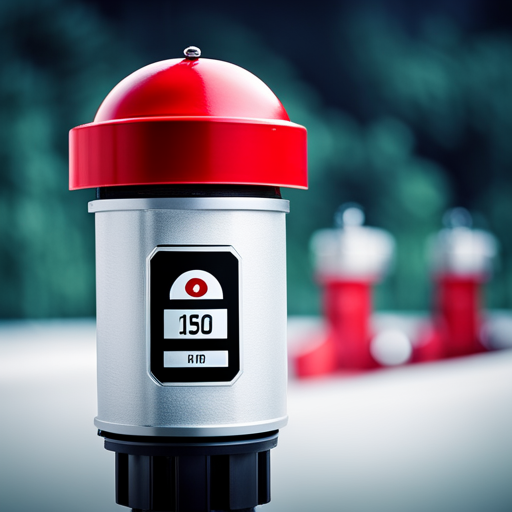
The main components of a septic pump alarm system include a float switch, control panel, and an audible or visual alarm. The float switch is typically installed inside the septic tank and is responsible for detecting the liquid levels. When the liquid reaches a certain height, the float switch is triggered, sending a signal to the control panel.
The control panel, which is usually mounted on the exterior of the house, receives this signal and activates the alarm. The alarm can be in the form of a loud siren or a flashing light, depending on the design. This alerts the homeowner or maintenance personnel that the septic system is experiencing high liquid levels and requires attention.
The purpose of a septic pump alarm is to prevent potential septic system failures and costly repairs by detecting high liquid levels within the septic tank. By promptly notifying the homeowner or maintenance personnel, the alarm system allows for timely intervention and maintenance, preventing overflow or backup issues.
Understanding the components and functionality of a septic pump alarm ensures that homeowners can take appropriate action when needed, preserving the health and functionality of their septic system.
Significance of Regular Maintenance
Regular maintenance of a septic system pump alarm is essential for its proper functioning and to prevent potential issues. Neglecting regular maintenance can lead to costly repairs and serious consequences.
One of the main consequences of neglecting maintenance is the potential for the system to fail, resulting in sewage backups, foul odors, and environmental contamination. The septic system pump alarm serves as an early warning system to alert homeowners of any issues with the system, such as high water levels or pump failure. By regularly maintaining the pump alarm, homeowners can ensure that it is in good working condition and will effectively notify them of any problems.
Regular maintenance of the septic system pump alarm also helps to prevent costly repairs. If the alarm is not properly maintained, it may not function correctly when needed, leading to delays in addressing any issues with the system. This can result in more extensive damage to the system, requiring expensive repairs or even the need for a complete system replacement.
By performing routine maintenance, such as checking the alarm’s battery, cleaning the alarm float, and testing the alarm’s functionality, homeowners can identify and address any potential problems early on. This proactive approach can save homeowners from the financial burden of major repairs and ensure the longevity of the septic system.
Troubleshooting Common Alarm Issues
To effectively address common issues with a septic system pump alarm, troubleshooting techniques can be employed.
One common issue that may arise with these alarms is incorrect installation. If the alarm is not installed properly, it may not function as intended and can lead to false alarms or failure to alert the homeowner of potential problems. It is important to ensure that the alarm is installed according to the manufacturer’s instructions and that all connections are secure and tight.
Another common issue with septic system pump alarms is a lack of regular maintenance. These alarms are designed to provide an early warning system for potential problems with the septic system, but if they are not properly maintained, they may not work when needed. Regular maintenance tasks for septic system pump alarms include checking the alarm’s power source, cleaning the alarm floats, and testing the alarm’s functionality.
By regularly performing these maintenance tasks, homeowners can help ensure that their septic system pump alarm is functioning properly and providing reliable alerts when necessary.
Troubleshooting common issues with septic system pump alarms requires attention to both the installation and maintenance of the alarm. Proper installation, following manufacturer’s instructions and ensuring secure connections, is crucial for the alarm to function accurately. Regular maintenance tasks such as checking the power source, cleaning floats, and testing functionality are also essential.
By addressing these common issues, homeowners can ensure that their septic system pump alarm functions effectively, providing them with early warning of potential problems with their septic system.
Importance of Prompt Action
Prompt action is crucial when it comes to addressing potential issues with septic system pump alarms, as neglecting to do so is akin to allowing a small spark to ignite a raging wildfire.
Septic system pump alarms are designed to alert homeowners of problems with their septic system, such as a high water level or a malfunctioning pump. These alarms serve as an early warning system, allowing homeowners to take prompt action and prevent more serious and costly issues from occurring.
Ignoring or delaying the response to a septic system pump alarm can result in a variety of problems, including sewage backups, damage to the septic system, and contamination of the surrounding environment.
When a septic system pump alarm goes off, it is essential to respond promptly. This means investigating the cause of the alarm and taking the necessary steps to address the issue. Prompt action can help prevent further damage to the septic system and ensure its proper functioning. It also reduces the risk of sewage backups, which can be not only inconvenient but also hazardous to health.
By responding quickly to a septic system pump alarm, homeowners can avoid costly repairs and the need for emergency services. Additionally, taking immediate action demonstrates a responsible approach to septic system maintenance, which is crucial for ensuring the longevity and efficiency of the system.
Overall, the importance of prompt action in addressing septic system pump alarms cannot be overstated, as it plays a vital role in preventing serious and costly issues from arising.
Preventive Measures for a Healthy Septic System
One effective strategy for maintaining a healthy septic system involves implementing proactive measures to prevent potential issues from arising. Preventing overflow is crucial in ensuring the optimal functioning of a septic system.
Regularly inspecting and maintaining the septic tank can help identify any signs of damage or blockage that may lead to overflow. This can involve checking for leaks, cracks, or clogs in the tank and repairing them promptly.
Additionally, it is important to monitor water usage in the household. Excessive water usage can overload the septic system and cause it to become overwhelmed, leading to potential issues such as backups and overflow. Implementing water conservation measures, such as fixing leaky faucets, using water-efficient appliances, and being mindful of excessive water usage, can help prevent these problems and maintain a healthy septic system.
In addition to preventing overflow, monitoring water usage is another preventive measure that contributes to a healthy septic system. Keeping track of water consumption can help identify any abnormal increases or patterns that may indicate a problem with the septic system. This can be done by regularly checking water bills and comparing them to previous months or by using water meters to measure water usage.
Monitoring water usage not only helps in detecting potential issues early on but also promotes water conservation, which is beneficial for both the environment and the septic system. By being aware of water consumption and taking steps to reduce excessive usage, such as fixing leaks or using water-efficient fixtures, homeowners can ensure the longevity and proper functioning of their septic system.
Frequently Asked Questions
How much does it cost to replace a septic pump alarm?
The cost to replace a septic pump alarm can vary depending on factors such as the type of alarm and the complexity of the installation. On average, homeowners can expect to pay between $200 and $500 for a new septic pump alarm. Regular maintenance, such as inspecting and cleaning the alarm, can help extend its lifespan and minimize repair costs.
Can a septic pump alarm be installed in an existing septic system?
Yes, a septic pump alarm can be installed in an existing septic system. It is a necessary component that helps monitor the system’s functionality and alerts homeowners of potential issues or malfunctions, ensuring proper maintenance and preventing costly damages.
What happens if a septic pump alarm is ignored?
Ignoring a septic pump alarm can have serious consequences and dangers. According to a study, neglecting this alarm can lead to 60% of septic system failures, resulting in costly repairs and potential health hazards.
How often should a septic pump alarm be tested?
The frequency of testing a septic pump alarm depends on various factors such as the size of the system, usage, and local regulations. It is recommended to consult a professional for specific guidelines on testing intervals.
Are there any alternative methods for monitoring a septic system besides using a pump alarm?
Alternative monitoring methods for septic systems include pressure sensors, flow meters, and digital monitoring systems. Pros of these methods include real-time data and early detection of issues. Cons include higher cost and the need for professional installation and maintenance.