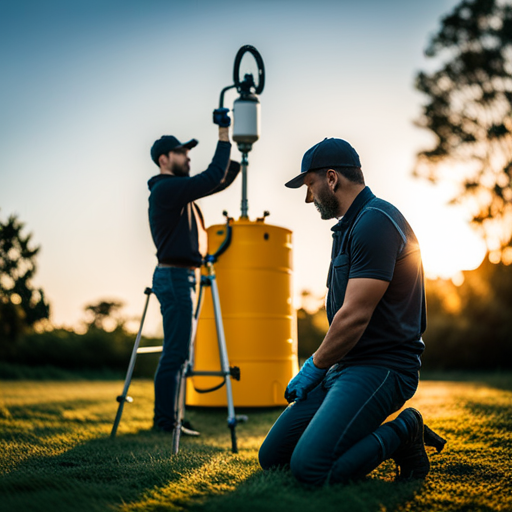
Septic tank pumping is an essential maintenance task for homeowners with septic systems. When it comes to this task, homeowners have the option of either performing the pumping themselves or hiring professionals to do it for them. Both options have their own set of pros and cons that need to be carefully considered.
In this article, we will explore the advantages and disadvantages of DIY pumping versus hiring professionals, providing homeowners with the necessary information to make an informed decision.
The first aspect to consider is the cost savings associated with DIY pumping. Many homeowners are drawn to the idea of saving money by taking on the task themselves. DIY pumping eliminates the need to pay for professional services, potentially resulting in significant cost savings. However, it is important to weigh this against the potential risks and drawbacks, as DIY pumping may involve additional expenses if mistakes are made or if equipment needs to be rented or purchased.
Additionally, homeowners need to consider the value of their time and whether they are willing to invest the effort and labor required for this task. By exploring the cost savings and potential drawbacks, homeowners can make a well-informed decision on whether to pursue DIY pumping or hire professionals for septic tank maintenance.
Cost Savings of DIY Pumping
One potential advantage of DIY septic tank pumping is the potential for significant cost savings, as homeowners can avoid the expense of hiring professional septic tank pumping services, which can cost several hundred dollars.
Septic tank pumping is an essential maintenance requirement for homeowners with septic systems, as it helps remove accumulated solid waste and sludge from the tank, preventing potential issues such as clogging, backups, and system failure.
By opting to pump their septic tanks themselves, homeowners can save a considerable amount of money that would otherwise be spent on professional services.
The cost effectiveness of DIY septic tank pumping is particularly appealing to homeowners on a tight budget or those who prefer to save money by performing maintenance tasks themselves.
While it may seem like a daunting task, proper guidelines and equipment can be easily obtained to ensure a successful DIY septic tank pumping.
Additionally, by taking on the responsibility of pumping their septic tanks, homeowners can gain a better understanding of their septic systems and potentially detect any early signs of problems.
This knowledge can help them address issues promptly and prevent costly repairs in the future.
Thus, the cost savings associated with DIY septic tank pumping can provide homeowners with a sense of financial security and peace of mind knowing they are taking proactive measures to maintain their septic systems.
Control and Convenience of DIY Pumping
Conducting the pumping process oneself allows for greater control over the septic system and offers the convenience of being able to schedule the maintenance at one’s own discretion.
When opting for DIY septic tank pumping, individuals have the freedom to choose the equipment and tools they use. They can research and invest in high-quality DIY equipment that best suits their needs and preferences. This can lead to a more efficient pumping process and ensure that the septic system is properly maintained. Additionally, individuals can take the time to thoroughly inspect the system while pumping, identifying any potential issues or damages that may require further attention. This level of control allows homeowners to have a better understanding of their septic system and take proactive measures to prevent future problems.
In addition to control, DIY septic tank pumping offers the convenience of being able to schedule the maintenance at one’s own discretion. Hiring professionals may require homeowners to work around their schedules and availability. However, by taking on the task themselves, individuals have the flexibility to choose a time that is most convenient for them. This can be particularly beneficial for those with busy schedules or who live in remote areas where professional services may be limited.
Moreover, DIY maintenance allows individuals to have a hands-on approach to their septic system, fostering a sense of responsibility and connection to their home. This can contribute to a greater sense of ownership and satisfaction in maintaining and caring for their septic system.
Messiness and Physical Demands of DIY Pumping
The process of manually maintaining a septic system can be a messy and physically demanding task. One of the main drawbacks of DIY pumping is the messiness involved. When pumping a septic tank, there is a high likelihood of encountering foul odors, as well as coming into contact with waste materials. This can be an unpleasant and unhygienic experience for homeowners who are not accustomed to such conditions.
Additionally, the process of pumping a septic tank requires handling heavy equipment and working in confined spaces. This can pose physical challenges, especially for individuals who may not have the necessary strength or endurance to complete the task efficiently. Moreover, improper handling of equipment or lack of knowledge about the process can lead to accidents or injuries.
In addition to the messiness, the physical demands of DIY pumping should also be considered. Pumping a septic tank involves heavy lifting, as the equipment used can be quite heavy. This can put strain on the back and muscles, leading to potential injuries if not done properly. Moreover, the process often requires working in tight spaces, such as crawl spaces or narrow access points, which can make it physically challenging to maneuver and operate the equipment.
Furthermore, the repetitive nature of the task, especially for individuals with larger septic systems, can be physically exhausting. This can lead to fatigue and decreased efficiency in completing the pumping process.
Overall, the messiness and physical demands of DIY septic tank pumping should be carefully considered before deciding to undertake the task oneself.
Potential Damage and Costly Repairs from DIY Pumping
Potential damage and costly repairs can result from improper handling and lack of expertise in maintaining a septic system. When attempting to pump a septic tank without professional help, there are potential risks and safety concerns that homeowners should be aware of.
One of the main risks of DIY septic tank pumping is the potential for damage to the tank or its components. Septic tanks are designed to handle specific volumes and types of waste, and improper pumping techniques can cause stress on the tank walls or even lead to structural damage. Additionally, without proper knowledge of the tank’s layout and components, there is a risk of damaging pipes, filters, or other important parts of the system. These damages can result in expensive repairs or even the need for a full system replacement.
Furthermore, safety concerns should be taken into consideration when deciding whether to DIY or hire professionals for septic tank pumping. Septic tanks contain hazardous gases, such as methane and hydrogen sulfide, which can be harmful if inhaled in high concentrations. Without the necessary safety equipment and training, homeowners may put themselves at risk of exposure to these gases. Moreover, handling the equipment and tools required for septic tank pumping can pose physical risks, such as injuries from lifting heavy equipment or accidents during the process.
Attempting to pump a septic tank without proper expertise and knowledge can lead to potential damage and costly repairs. Homeowners should be aware of the risks involved, including the potential for damaging the tank or its components, as well as the safety concerns associated with handling hazardous gases and equipment. Hiring professionals for septic tank pumping not only reduces the likelihood of these risks but also ensures that the job is done efficiently and effectively, minimizing the chances of future problems and costly repairs.
Benefits of Hiring Professionals for Septic Tank Pumping
Engaging professional services for septic system maintenance ensures efficient and effective handling of septic tank maintenance, minimizing the risk of potential damage and costly repairs.
One of the advantages of hiring professionals for septic tank pumping is their expertise and experience in handling septic systems. These professionals are knowledgeable about the intricacies of septic tanks and have the necessary equipment to carry out the pumping process effectively. They can identify potential issues, such as clogged pipes or leaks, and address them promptly, preventing further damage to the system.
Another advantage of hiring professionals is the assurance of proper disposal of the waste. Septic tank pumping involves the removal of solid waste and sludge, which needs to be disposed of correctly to avoid environmental contamination. Professional septic tank pumpers are well-informed about the local regulations and guidelines for waste disposal. They have the necessary permits and knowledge to ensure that the waste is properly disposed of in accordance with the law.
The Risks of Ignoring Septic Tank PumpingDespite these advantages, there are also some disadvantages to hiring professionals for septic tank pumping. One of the main disadvantages is the cost. Hiring professionals can be more expensive compared to undertaking the task yourself. However, it is important to consider the potential risks and long-term costs that may arise from DIY pumping. The cost of repairs or damages caused by improper pumping can far exceed the initial expense of hiring professionals. Additionally, professionals have the expertise to identify and address any potential issues before they escalate, potentially saving you money in the long run.
Frequently Asked Questions
How often should a septic tank be pumped?
Septic tank maintenance is crucial to prevent septic system failures. The frequency of pumping depends on factors such as tank size, usage, and household size. Regular pumping every 3-5 years is generally recommended to maintain a healthy septic system.
Are there any specific regulations or permits required for DIY septic tank pumping?
Regulations and permits for DIY septic tank pumping vary depending on location. It is essential to research local guidelines to ensure compliance. Failure to follow regulations can result in fines and potential harm to the environment.
Can DIY septic tank pumping cause any harm to the environment?
DIY septic tank pumping can potentially harm the environment if safety precautions are not followed. Improper disposal of waste can contaminate groundwater and surface water, leading to pollution and health risks. It is important to take necessary measures to minimize the environmental impact.
What are the signs that indicate a septic tank needs pumping?
Signs of septic tank problems include slow draining sinks and toilets, gurgling noises, foul odors, and wet areas in the yard. Regular septic tank maintenance is important to prevent costly repairs and protect the environment.
Is there any special equipment or tools needed for DIY septic tank pumping?
Special equipment, such as a septic tank pump and hoses, is required for DIY septic tank pumping. While it offers benefits like cost savings and convenience, risks include improper handling of waste and potential damage to the tank or surrounding environment.