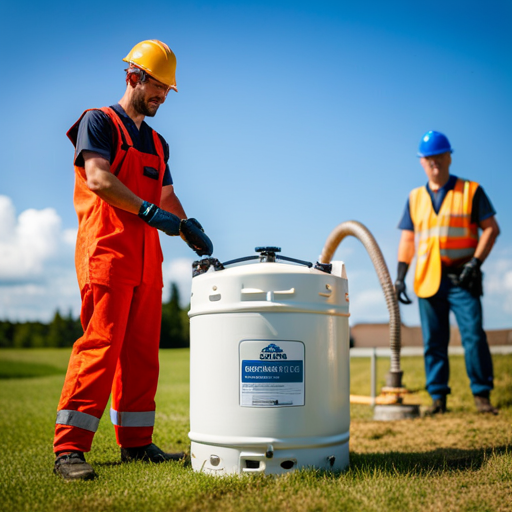
In the realm of septic system maintenance, the choice between do-it-yourself (DIY) and professional septic tank pumping can be a conundrum for many homeowners. The intricacies and importance of maintaining a septic system cannot be overstated, as it directly impacts the health and longevity of the system, as well as the environment. Therefore, it is crucial for homeowners to navigate through this decision-making process with knowledge and understanding.
This article aims to provide an expert guide that explores the complexities of septic systems, assesses one’s DIY skills and knowledge, weighs the pros and cons of DIY pumping, evaluates the benefits of professional septic tank pumping, and considers the cost and long-term maintenance implications of each option.
Maintaining a septic system requires a deep understanding of its complexities. Septic systems are intricate networks of pipes, tanks, and drain fields that work together to treat and dispose of household wastewater. The system relies on a delicate balance of natural processes to break down solids, treat wastewater, and prevent environmental contamination. It is essential to comprehend the intricacies of septic systems to make an informed decision regarding pumping.
The choice between DIY and professional septic tank pumping hinges on factors such as one’s level of expertise, knowledge of septic system mechanics, and the ability to identify and troubleshoot potential issues. By gaining a thorough understanding of the system’s complexities, homeowners can make an informed choice that aligns with their capabilities and the needs of their septic system.
Key Takeaways
– Professional septic tank pumping ensures longevity and reliability of the system
– Cost of professional pumping may seem higher initially, but is cost-effective in the long run
– Professional pumping helps avoid expenses associated with major septic system failures
– Professional pumpers have knowledge and experience to handle septic systems effectively
Understanding the Complexity of Septic Systems
The intricate network of underground pipes, chambers, and bacterial processes that make up septic systems can be likened to a labyrinthine maze, where one wrong turn can lead to disastrous consequences for the unsuspecting homeowner.
Septic tank maintenance is a crucial aspect of homeownership that should not be taken lightly. Without regular pumping and maintenance, septic systems are prone to failures that can result in costly repairs and potential health hazards. Septic system failures can occur due to a variety of reasons, including improper maintenance, excessive water usage, and the introduction of non-biodegradable materials into the system. These failures can lead to sewage backup, foul odors, and contamination of groundwater and nearby water sources. Therefore, it is imperative for homeowners to understand the complexity of septic systems and the importance of proper maintenance.
Regular pumping is a fundamental part of septic tank maintenance. Over time, solid waste and sludge accumulate in the tank, reducing its capacity and hindering its ability to properly treat and dispose of wastewater. If not pumped out regularly, the tank can become overloaded, leading to backups and system failures.
Additionally, excessive water usage can strain the system and interfere with its normal functioning. It is crucial for homeowners to be mindful of their water consumption and avoid overloading the septic system. Furthermore, the introduction of non-biodegradable materials, such as paper towels, wipes, and feminine hygiene products, can clog the pipes and disrupt the bacterial processes that break down waste.
To prevent these issues, homeowners should be educated about the proper use of their septic systems and the importance of regular pumping and maintenance.
Assessing Your DIY Skills and Knowledge
Assessing one’s own skills and knowledge is crucial when determining whether or not to attempt septic tank maintenance independently. Septic tank pumping requires a certain level of expertise and understanding of the system’s intricacies.
Individuals considering the DIY approach should first evaluate their limitations and capabilities. It is important to assess one’s understanding of septic tank design, proper maintenance techniques, and potential risks involved in the process. Without the necessary knowledge, there is a higher likelihood of making mistakes that could lead to costly repairs or pose a threat to the environment and public health.
Moreover, individuals should also consider their physical abilities and access to the required equipment. Septic tank pumping can be physically demanding, requiring the lifting and moving of heavy objects and working in confined spaces. Additionally, specialized equipment is often necessary to properly pump and dispose of the waste. If individuals do not have the physical strength or access to the necessary tools, it may be more practical and efficient to hire professionals who are equipped with the expertise and resources to perform the task effectively.
Assessing DIY limitations and understanding one’s own capabilities are essential when deciding between DIY septic tank pumping and hiring professionals. Without the necessary knowledge and physical abilities, attempting maintenance independently can lead to costly mistakes and potential risks. It is important to consider these factors and make an informed decision that ensures the proper functioning of the septic system while minimizing potential hazards.
Weighing the Pros and Cons of DIY Pumping
Considering the advantages and disadvantages of do-it-yourself septic tank maintenance allows individuals to make an informed decision regarding their approach to pumping.
When it comes to DIY pumping, one advantage is the potential cost savings. Hiring professionals can be expensive, and by doing the job yourself, you may be able to save money.
Additionally, some individuals find satisfaction and a sense of accomplishment in completing DIY projects. Pumping your septic tank can be seen as a task that you can tackle on your own, which can give you a sense of empowerment and control over your property.
However, there are also risks associated with DIY pumping. One major risk is the lack of expertise and knowledge. Septic tank pumping requires specific skills and understanding of the system, and without proper knowledge, you may not be able to identify potential problems or perform the pumping correctly. This can lead to further damage or even a system failure, resulting in expensive repairs.
Another risk is the potential health hazards involved in handling sewage waste. Professionals have the necessary equipment and training to minimize their exposure to harmful bacteria and gases, while individuals attempting DIY pumping may not have the same level of protection.
In summary, while DIY pumping may offer cost savings and a sense of accomplishment, it is important to weigh these advantages against the risks of insufficient expertise and potential health hazards. Hiring professionals ensures that the job is done correctly and reduces the likelihood of costly mistakes.
Evaluating the Benefits of Professional Septic Tank Pumping
When evaluating the advantages of enlisting the services of experienced professionals for septic tank maintenance, it becomes evident that their expertise ensures a thorough and accurate pumping process.
Professional septic tank pumpers have extensive knowledge and training in handling septic systems, allowing them to identify any potential issues and address them efficiently. They possess the necessary equipment and tools to access and pump the tank effectively, ensuring that all waste and debris are removed.
Moreover, professionals are well-versed in the regulations and guidelines set by local authorities for proper waste disposal. This ensures that the waste from the septic tank is disposed of in an environmentally friendly manner, minimizing the risk of contamination and pollution.
Regular maintenance is crucial for the longevity and optimal functioning of a septic system, and professional pumping services play a significant role in this aspect. By regularly scheduling professional septic tank pumping, homeowners can prevent the build-up of solids in the tank, which can lead to blockages and potential system failures.
Additionally, professionals can inspect the tank and its components for any signs of damage or leaks, allowing for timely repairs and preventing costly issues in the future. The benefits of professional septic tank pumping extend beyond the immediate pumping process. It promotes the overall health and efficiency of the septic system, ensuring that it operates smoothly and effectively for years to come.
Furthermore, the importance of proper waste disposal cannot be overstated. Professional pumpers understand the ecological impact of septic waste and adhere to the necessary protocols to ensure its safe disposal, protecting both the environment and public health.
Considering Cost and Long-Term Maintenance
Cost and long-term maintenance are important factors to take into account when evaluating the value of professional septic tank pumping, as it ensures the continued functionality and reliability of the septic system, safeguarding the homeowner’s investment and providing peace of mind.
While the cost of professional septic tank pumping may initially seem higher than the DIY approach, it is essential to consider the long-term cost effectiveness. Professional pumping services have the expertise and equipment to thoroughly clean and maintain the septic tank, removing accumulated solids and preventing potential issues that could lead to costly repairs or replacements in the future.
By investing in professional services, homeowners can avoid the expenses associated with major septic system failures, such as sewage backups, drain field malfunctions, or even the need for a completely new septic system.
Moreover, professional septic tank pumping also has a positive environmental impact. Septic systems that are not properly maintained can contribute to groundwater contamination, soil erosion, and the release of harmful pollutants into the environment. Professional pumping services ensure that the septic tank is cleaned and maintained in a way that minimizes these environmental risks. They have the knowledge and experience to handle and dispose of the waste properly, following all local regulations and guidelines.
Additionally, professional pumpers can inspect the septic system for any signs of damage or leaks, allowing for early detection and repair, which further reduces the potential environmental impact.
Overall, the cost of professional septic tank pumping is justified by the long-term benefits it provides in terms of cost effectiveness and environmental sustainability.
Frequently Asked Questions
What are the potential risks or dangers associated with DIY septic tank pumping?
Potential hazards associated with DIY septic tank pumping include exposure to harmful gases, such as methane and hydrogen sulfide, which can cause asphyxiation or respiratory problems. Health risks may include bacterial infections, skin irritations, and contamination of groundwater sources.
How often should a septic tank be pumped professionally?
Septic tanks should be professionally pumped every 3 to 5 years to maintain proper functioning. Regular pumping ensures effective waste removal, prevents blockages, and reduces the risk of costly repairs. It is an essential part of maintaining a septic tank properly and offers numerous benefits.
Can DIY septic tank pumping cause damage to the system or surrounding environment?
DIY septic tank pumping should be approached with caution due to potential risks. Precautions such as wearing protective gear, following proper procedures, and disposing of waste responsibly can minimize environmental impact.
What are the signs that indicate a septic tank needs professional pumping rather than DIY?
Signs of septic tank problems, such as foul odors, slow draining sinks, and soggy patches in the yard, indicate the need for professional pumping. DIY methods may not effectively address underlying issues, potentially leading to costly repairs.
Are there any legal or regulatory requirements for septic tank pumping that homeowners need to consider?
Homeowners have certain responsibilities regarding septic tank pumping, which include adhering to local regulations. It is essential to be aware of any legal requirements such as permits or specific guidelines that must be followed during the pumping process.