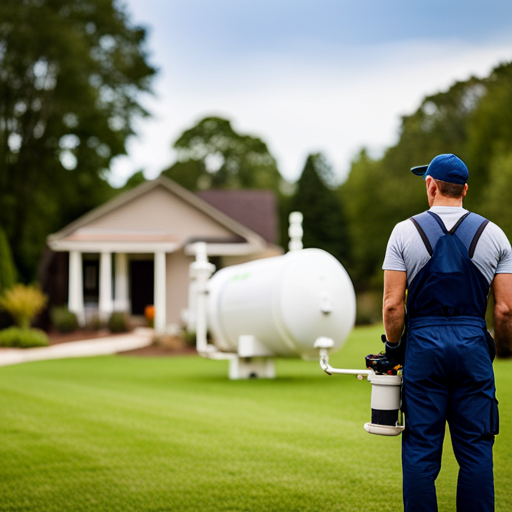
Septic Tank Pumping: DIY or Professional Service – What’s Best for You?
Maintaining a healthy septic system is crucial for the overall well-being of your home and the environment. Regular septic tank pumping is an essential part of this maintenance process, as it helps remove accumulated solids and prevents potential issues such as backups and system failures.
However, when it comes to septic tank pumping, homeowners often face the dilemma of whether to tackle the task themselves or hire a professional service. In this article, we will explore the pros and cons of both options, providing you with the necessary information to make an informed decision that best suits your needs.
When considering the option of DIY septic tank pumping, it is essential to weigh the advantages and disadvantages. On the one hand, opting for a DIY approach can save you money, as you won’t have to pay for professional services. Additionally, it allows you to have a hands-on understanding of your septic system, which can empower you to make informed decisions regarding its maintenance.
However, it is crucial to acknowledge that DIY septic tank pumping requires specific knowledge, skills, and equipment. Without proper understanding and expertise, there is a risk of damaging the system or causing harm to yourself and the environment. It is also worth noting that DIY pumping may not be suitable for all homeowners, especially those with physical limitations or limited time availability.
Key Takeaways
– DIY septic tank pumping can save money, but lack of expertise can lead to system damage and environmental harm.
– Professional septic tank pumping is more thorough and efficient, ensuring proper maintenance of the system.
– Hiring professionals can prevent costly repairs and ensure long-term functionality of the septic system.
– Regular inspection and pumping of the septic tank is essential to prevent backups and promote longevity of the system.
Pros and Cons of DIY Septic Tank Pumping
One of the advantages of DIY septic tank pumping is the potential cost savings, as hiring a professional service can be expensive. By doing the task yourself, you eliminate the need to pay for professional labor and can save a significant amount of money.
Additionally, you have control over the materials and equipment used, allowing you to choose more cost-effective options that still meet the requirements for proper septic tank maintenance.
However, it is important to consider the potential drawbacks of DIY septic tank pumping. One major concern is the lack of expertise and experience in handling septic systems. Septic tanks are complex systems that require proper knowledge and understanding for effective maintenance. Without the necessary expertise, there is a risk of improper pumping, which can lead to further issues such as clogging or damage to the septic system.
Furthermore, DIY septic tank pumping may not be as thorough as a professional service. Professionals have specialized tools and equipment that ensure a more complete and efficient pumping process, reducing the likelihood of future problems.
In terms of environmental impact, DIY septic tank pumping can have both positive and negative effects. On one hand, DIY pumping allows you to control the disposal of the waste and ensure it is done in an environmentally responsible manner. You can choose to properly dispose of the waste at a designated facility or use it as fertilizer on your property, reducing the environmental impact.
On the other hand, inexperienced handling of septic waste can result in spills or improper disposal, which can contaminate the surrounding soil and water sources. This can have detrimental effects on the environment and pose a risk to human health.
Therefore, it is crucial to carefully consider your knowledge and capabilities before opting for DIY septic tank pumping.
Safety Precautions for DIY Septic Tank Pumping
To ensure the highest level of safety when attempting to pump a septic tank on your own, it is imperative to take necessary precautions akin to a skilled professional performing the task.
DIY septic tank pumping carries certain risks that should not be overlooked. One of the main risks is exposure to toxic gases, such as methane and hydrogen sulfide, which can be present in high concentrations inside the septic tank. These gases are extremely hazardous and can cause asphyxiation if inhaled in large amounts. Therefore, it is crucial to wear proper safety gear, including a gas mask or respirator, when entering the septic tank. Additionally, it is important to have proper ventilation in the area to prevent the buildup of these toxic gases.
Another risk associated with DIY septic tank pumping is the potential for accidents or injuries due to improper handling of equipment. Septic tanks can be located underground and may require excavation to access them. This process can be dangerous if not done correctly, as it may involve the use of heavy machinery or tools. Inadequate knowledge of how to operate these tools can lead to accidents and injuries.
Furthermore, the equipment used for pumping septic tanks, such as hoses and pumps, should be handled with caution to avoid injury. It is essential to read and follow the manufacturer’s instructions carefully and ensure that the equipment is in good working condition before starting the pumping process.
By taking these safety precautions, the risks associated with DIY septic tank pumping can be minimized, ensuring a safer and more successful experience.
Benefits of Hiring a Professional Septic Tank Pumping Service
Hiring a reputable and experienced septic system maintenance company can provide homeowners with the assurance that their septic tank will be properly and efficiently pumped, reducing the risk of potential hazards and ensuring the long-term functionality of the system.
One of the main advantages of hiring a professional septic tank pumping service is the expertise and knowledge they bring to the task. These professionals undergo extensive training and have the necessary equipment to perform the job effectively. They are familiar with the intricacies of septic systems and can identify any potential issues that may arise during the pumping process. This expertise allows them to handle the task efficiently and minimize the risk of damage to the system.
Another reason to consider hiring a professional septic tank pumping service is the convenience it offers. Septic tank pumping is a dirty and unpleasant task that requires physical labor. By hiring professionals, homeowners can avoid the hassle and discomfort associated with DIY pumping.
Additionally, professional services often provide additional benefits such as regular maintenance schedules and reminders, ensuring that homeowners never miss a necessary pumping. This proactive approach can help prevent problems before they occur and save homeowners from costly repairs down the line.
Overall, the benefits of hiring a professional septic tank pumping service include expert knowledge, efficient handling of the task, and added convenience and peace of mind for homeowners.
Choosing the Right Professional Septic Tank Pumping Service
When selecting a septic system maintenance company, it is crucial to find a provider that possesses a proven track record in effectively handling the task, similar to how a skilled conductor flawlessly orchestrates a symphony to create harmonious melodies.
Septic tank maintenance requires expertise and knowledge to ensure proper functioning and prevent potential issues. A professional septic tank pumping service will have the necessary experience and equipment to perform maintenance tasks efficiently and effectively. They will conduct thorough inspections of the septic system, identifying any potential problems such as leaks, blockages, or signs of damage.
Through regular inspections, professionals can detect issues at an early stage and take appropriate measures to prevent more significant problems from arising.
Additionally, a professional septic tank pumping service will have access to specialized tools and equipment that are essential for maintaining septic systems. These tools enable them to carry out tasks such as pumping and cleaning the septic tank effectively. Professionals are also well-versed in the regulations and guidelines set by local health departments and environmental agencies. They will ensure that the maintenance activities comply with these regulations, promoting environmental safety and preventing contamination of groundwater sources.
Choosing a professional septic tank pumping service for septic system maintenance and inspection provides the assurance of a thorough and reliable service. Their expertise, specialized equipment, and adherence to regulations ensure the longevity and proper functioning of the septic system. By entrusting this task to professionals, homeowners can have peace of mind knowing that their septic system is being properly maintained, reducing the risk of costly repairs and potential health hazards.
Maintaining a Healthy Septic System: Best Practices and Tips
Maintaining a healthy septic system requires implementing effective strategies and following recommended practices to ensure long-term functionality and prevent potential issues.
Proper septic tank maintenance is crucial to avoid costly repairs and to promote the longevity of the system. Regularly inspecting and pumping the septic tank is essential to prevent the accumulation of solid waste and sludge, which can lead to blockages and system failures. It is generally recommended to have the septic tank pumped every 3 to 5 years, depending on the household size and water usage. This frequency may vary in certain cases, such as for households with a garbage disposal unit, which can contribute to increased waste accumulation. By adhering to a regular pumping schedule, homeowners can avoid the buildup of solids that can clog the drain field and cause wastewater backups into the house.
In addition to regular pumping, septic system care involves several other practices to maintain its health. It is important to conserve water and avoid overloading the system by spreading out water usage throughout the day. This can be achieved by staggering laundry and dishwasher loads and fixing any leaky faucets or toilets promptly.
Properly disposing of waste is also crucial. Household items such as diapers, sanitary products, wipes, and chemicals should never be flushed down the toilet or poured into drains, as they can disrupt the bacterial balance within the septic tank and cause clogs. Furthermore, planting grass or shallow-rooted vegetation over the drain field can help prevent soil erosion and promote the proper absorption of wastewater.
Regular inspection of the system, including checking for signs of leaks or odors, is recommended to catch any potential issues early and address them before they become major problems.
By following these best practices and taking proactive measures, homeowners can ensure the health and functionality of their septic system for years to come.
Frequently Asked Questions
How often should a septic tank be pumped?
The frequency of septic tank pumping depends on various factors such as the tank’s size, usage, and the number of occupants. Generally, it is recommended to pump every 3-5 years. Over-pumping can disrupt the tank’s natural bacterial balance and affect its functionality.
What are the signs that indicate a septic tank needs to be pumped?
Common signs of septic tank problems include slow drainage, foul odors, gurgling sounds, and sewage backup. Regular septic tank maintenance, such as regular pumping, can help prevent these issues and ensure proper functioning of the system.
Are there any environmental concerns related to septic tank pumping?
Environmental impact is a major concern in septic tank pumping. Improper disposal of waste can contaminate water sources, leading to health risks. According to a study, septic systems contribute to 20% of nitrogen pollution in the United States.
Can pumping a septic tank cause any damage to the system?
Pumping a septic tank is an essential part of septic system maintenance. When done correctly, it does not cause any damage to the system. Regular pumping helps prevent clogging and ensures proper functioning of the septic system.
Are there any alternatives to pumping a septic tank for maintenance?
One interesting statistic is that approximately 50% of septic tank owners in the United States use alternative methods for maintenance, such as natural additives. These alternatives aim to enhance bacterial activity and reduce the need for frequent pumping.