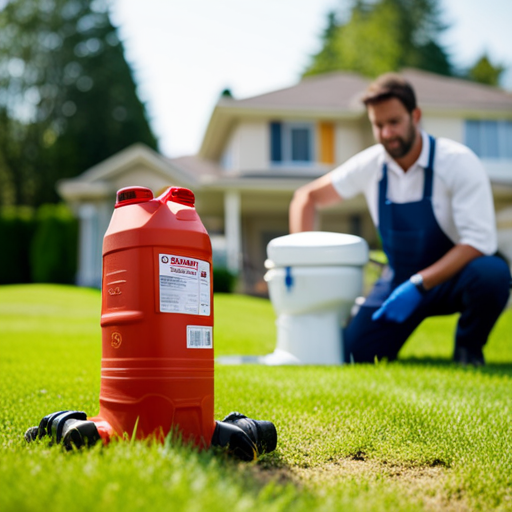
Maintaining a septic tank is an essential aspect of ensuring proper sanitation and waste management in residential and commercial properties. However, many individuals often overlook the importance of regular septic tank maintenance, leading to costly repairs and potential health hazards.
In this article, we will explore some of the common mistakes that individuals make when it comes to septic tank maintenance and provide valuable insights on how to avoid them.
One of the most crucial aspects of septic tank maintenance is regular inspections. By neglecting routine inspections, individuals risk missing potential issues such as leaks, blockages, or damage to the tank or drain field. Regular inspections allow for early detection and prompt repair, preventing further damage and ensuring the longevity of the septic system.
Additionally, improper disposal of non-biodegradable items can cause significant problems in septic tanks. It is important to remember that septic tanks are designed to handle only biodegradable waste. Disposing of non-biodegradable items such as feminine hygiene products, paper towels, or cigarette butts can lead to clogs and backups, compromising the functionality of the septic system. By adhering to proper disposal practices, individuals can prevent unnecessary damage and maintain the optimal functioning of their septic tank.
Key Takeaways
– Regular septic tank inspections are crucial for early detection of issues and to prevent costly repairs and system failures.
– Proper disposal of non-biodegradable items is important to maintain septic tank health, and exploring recycling options for such waste is recommended.
– Limiting the use of household chemicals and using natural alternatives is recommended to maintain the septic tank’s natural balance and prevent harm to the environment.
– Proper maintenance of the drain field is important for overall septic system health, and avoiding excess water flow, planting trees or shrubs near the drain field, and avoiding heavy vehicles or construction equipment on the drain field are key mistakes to avoid.
Regular Septic Tank Inspections
Regular septic tank inspections are a crucial aspect of maintenance as they involve a thorough examination of the tank’s condition, including its structural integrity, fluid levels, and the accumulation of solid waste, ensuring early detection of any potential issues and prompt intervention to prevent costly repairs or system failures.
Septic tank maintenance is essential to avoid problems such as backups, foul odors, and groundwater contamination. Regular inspections play a vital role in this maintenance process by providing an opportunity to assess the overall health of the septic system.
Inspecting the septic tank allows professionals to identify any signs of damage or deterioration early on. By examining the tank’s structural integrity, inspectors can detect cracks, leaks, or corrosion that may compromise the tank’s functionality.
Fluid levels are also evaluated during inspections to ensure that the tank is not overfilled, which could lead to sewage backups. Additionally, inspectors assess the accumulation of solid waste, which, if not properly managed, can clog the system and cause blockages. By detecting these issues early, prompt intervention can be taken to prevent costly repairs or system failures.
Regular septic tank inspections are an essential part of septic tank maintenance due to the importance of early detection and intervention. By conducting thorough examinations of the tank’s condition, including its structural integrity, fluid levels, and the accumulation of solid waste, professionals can identify any potential issues before they escalate into larger problems.
This proactive approach prevents costly repairs or system failures and contributes to the overall health and longevity of the septic system. Therefore, homeowners should prioritize regular septic tank inspections as a necessary step in maintaining a well-functioning septic system.
Proper Disposal of Non-Biodegradable Items
Occasional oversight in the appropriate handling of non-biodegradable materials can compromise the efficient functioning of the waste management system. It is essential to understand the importance of proper disposal of non-biodegradable items to maintain the health and longevity of a septic tank. Non-biodegradable materials such as plastics, metals, and chemicals should never be flushed down the toilet or poured into household drains.
These items do not break down naturally and can accumulate in the septic tank, leading to clogs, backups, and potential damage to the entire system.
To ensure the proper disposal of non-biodegradable items, homeowners should explore recycling options available in their local area. Recycling is an environmentally friendly solution that diverts non-biodegradable waste from landfills, reducing the overall environmental impact. By separating recyclable materials such as plastics and metals, homeowners can contribute to a more sustainable waste management system.
Additionally, many communities provide drop-off locations or curbside pick-up services for recyclable materials, making it convenient for homeowners to participate in recycling initiatives.
The proper disposal of non-biodegradable items plays a crucial role in maintaining the effectiveness of a septic tank. Homeowners should be aware of the potential harm that non-biodegradable materials can cause and take the necessary steps to ensure their appropriate disposal. By exploring recycling options and participating in recycling initiatives, individuals can contribute to a more sustainable waste management system and reduce the environmental impact of non-biodegradable waste.
Overuse of Household Chemicals
Excessive usage of household chemicals contributes to the accumulation of harmful substances in the septic system, which can compromise its functionality and lead to potential environmental hazards.
Septic tank cleaning is an essential aspect of maintenance that should not be overlooked. When household chemicals such as bleach, drain cleaners, and detergents are flushed down the drains, they enter the septic tank and can disrupt the natural balance of bacteria that break down waste. These chemicals can kill the beneficial bacteria in the tank, reducing its ability to effectively break down solid waste. As a result, the accumulation of solids and sludge increases, leading to clogs, backups, and potential system failures.
Moreover, the presence of these chemicals in the septic system can also harm the surrounding environment. When the septic tank overflows or leaks, the harmful substances can seep into the soil and contaminate groundwater, rivers, and streams, posing a threat to aquatic life and potentially impacting human health.
To avoid these harmful effects, it is crucial to limit the use of household chemicals and opt for more environmentally friendly alternatives. For instance, instead of using bleach for cleaning, consider using vinegar or baking soda, which are natural and less harmful to the septic system. Similarly, choosing biodegradable and septic-safe detergents can help maintain the balance of bacteria in the septic tank.
Additionally, it is essential to educate household members about the potential hazards of excessive chemical usage and encourage responsible disposal practices. Properly disposing of hazardous chemicals, such as paint, motor oil, and pesticides, at designated collection facilities prevents them from entering the septic system and causing harm.
By adopting these practices, homeowners can ensure the longevity and optimal functionality of their septic systems while minimizing the environmental impact of household chemical use.
Failing to Pump the Tank Regularly
Neglecting proper maintenance schedules can have detrimental consequences for the functionality and longevity of a septic system.
One common mistake that homeowners make is failing to pump the septic tank regularly. Septic tanks are designed to hold and treat wastewater, but over time, solid waste and sludge can accumulate at the bottom of the tank. If left unaddressed, this buildup can lead to a full septic tank, which can cause a range of problems.
Regular pumping of the septic tank is crucial for its optimal performance. The frequency of pumping depends on several factors, such as the size of the tank, the number of occupants in the house, and the amount of wastewater generated. Generally, it is recommended to pump the septic tank every 3 to 5 years. Neglecting this maintenance task can result in the tank reaching its capacity, leading to potential issues like sewage backups, foul odors, and even the failure of the entire septic system.
Recognizing the signs of a full septic tank is essential to prevent such problems. Some common indicators include slow draining sinks and toilets, gurgling noises from the plumbing system, unpleasant odors both inside and outside the house, and the presence of water pooling in the yard near the septic tank. If any of these signs are noticed, it is vital to seek professional help promptly.
Septic system professionals have the knowledge, experience, and equipment to properly assess the situation and determine if pumping is necessary. They can also identify any potential issues that may require repairs or adjustments to prevent future problems.
By relying on professional help and following a regular pumping schedule, homeowners can ensure the functionality and longevity of their septic systems, avoiding costly and inconvenient septic tank failures.
Improper Drain Field Maintenance
Inadequate care for the drain field can have severe consequences for the overall functionality and lifespan of a septic system, leading to potential environmental contamination and costly repairs.
The drain field is an integral component of a septic system, responsible for filtering and dispersing the effluent that flows out of the septic tank. Without proper maintenance, the drain field can become clogged, resulting in drain field repairs and septic system backups.
One common mistake in drain field maintenance is allowing excess water to flow into the drain field. This can happen when there are leaky faucets, running toilets, or excessive water usage in the household. When the drain field becomes saturated with water, it cannot effectively filter and disperse the effluent, leading to backups in the septic system. Regularly inspecting and repairing any leaks or water wastage in the household can help prevent this issue.
Another mistake to avoid is planting trees or shrubs near the drain field. The roots of these plants can infiltrate the drain field pipes, causing blockages and damage. It is essential to maintain a clear distance between any vegetation and the drain field to prevent these issues.
Additionally, heavy vehicles or construction equipment should not be allowed to drive or park on the drain field, as this can compact the soil and damage the pipes.
Proper education and awareness about drain field maintenance can help homeowners avoid these common mistakes and ensure the longevity and effectiveness of their septic systems.
Frequently Asked Questions
How often should a septic tank be inspected?
Regular inspection of a septic tank is crucial to ensure its proper functioning and prevent costly repairs. It is recommended to have a professional inspection every 1-3 years, depending on the tank’s size and usage, to identify any potential issues early on.
Can non-biodegradable items ever be safely disposed of in a septic tank?
Non-biodegradable items should never be disposed of in a septic tank as they can cause blockages and damage to the system. This practice is not safe and has negative environmental impacts.
Are there any household chemicals that are safe to use in a septic tank?
Using safe chemicals in a septic tank is crucial for its longevity. Anecdotal evidence reveals that households using environmentally friendly cleaning products experienced fewer septic tank issues, highlighting the importance of using safe chemicals.
What are the consequences of not pumping the septic tank regularly?
Neglecting septic tank maintenance by not regularly pumping can lead to a range of consequences. It is important to understand the significance of regular pumping to prevent issues such as backups, odors, and costly repairs.
What are some common mistakes to avoid when maintaining the drain field?
Proper drain field maintenance is crucial for septic system care. Avoiding common mistakes such as overloading the system, planting trees near the drain field, and using excessive water can prevent costly repairs and ensure optimal functioning of the septic system.