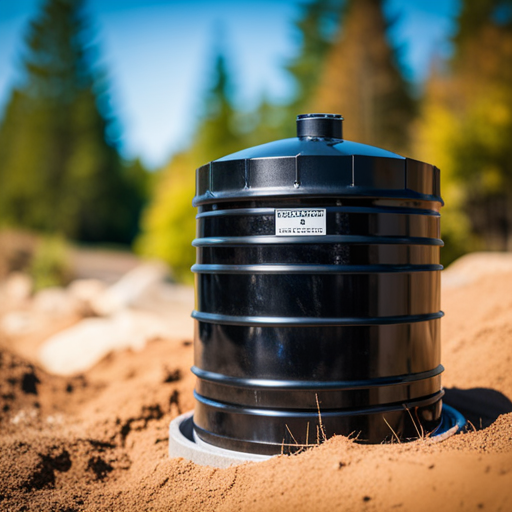
When it comes to choosing the correct septic tank size, there are several common mistakes that individuals often make. Underestimating wastewater production, not considering household size and water usage, and failing to account for additional factors can all lead to selecting a tank that is either too small or too large for the specific needs of a property.
This article aims to provide a comprehensive guide on avoiding these mistakes and choosing the right septic tank size for your specific requirements.
Underestimating wastewater production is a frequent error made by homeowners and property owners alike. It is crucial to have an accurate estimate of the amount of wastewater that will be generated on a daily basis to determine the appropriate tank size. This includes considering factors such as the number of occupants in the household, the frequency of water usage, and the types of activities that contribute to wastewater production.
Failure to account for these variables can result in a septic tank that is overwhelmed and prone to backups and failures, or one that is too large and unnecessary for the actual wastewater production. By understanding and accurately estimating wastewater production, you can ensure that the septic tank size is correctly matched to the needs of your property, preventing costly issues in the future.
Key Takeaways
– Underestimating wastewater production can lead to selecting a tank that is too small, resulting in backups, clogs, and sewage spills.
– Factors like household size, water usage, and activities contribute to wastewater production and should be considered when choosing a septic tank size.
– Soil conditions and local regulations play a significant role in determining the absorption and treatment of wastewater, as well as minimum requirements for septic systems.
– Consulting with professionals is advisable to ensure the right septic tank size is chosen, considering factors like occupants, water usage, soil permeability, and local regulations.
Underestimating Wastewater Production
Underestimating wastewater production can lead to serious problems when selecting the appropriate septic tank size.
Septic tanks are designed to hold and treat wastewater from a household, and if the tank is too small, it may not be able to handle the volume of wastewater being produced. This can result in the tank becoming overloaded, leading to backups, clogs, and even sewage spills, which can be hazardous to both human health and the environment.
One common mistake that contributes to underestimating wastewater production is failing to consider the maintenance needs of the septic system. Regular maintenance, such as pumping the tank, is necessary to ensure the system functions properly. However, if the septic tank is too small, it may require more frequent maintenance, increasing the cost and effort involved in maintaining the system.
Additionally, the choice of landscaping can also impact wastewater production. For example, if a household has a large lawn that requires frequent watering, this can significantly increase the amount of water entering the septic system.
Therefore, it is essential to consider both the maintenance needs and the impact of landscaping choices when determining the appropriate size of a septic tank.
Considering Household Size and Water Usage
Neglecting to accurately consider household size and water usage can lead to insufficient capacity of the septic system.
It is crucial to take into account the number of people living in a household and their average water usage when determining the appropriate septic tank size.
A larger household with more occupants will naturally produce a greater volume of wastewater, necessitating a larger septic tank.
Likewise, households with high water usage, such as those with frequent laundry or extensive irrigation systems, will generate more wastewater and require a larger septic system.
An undersized septic tank can have significant environmental impacts.
When a septic system is overloaded, it may not be able to adequately treat the wastewater, leading to the release of untreated or partially treated sewage into the environment.
This can contaminate nearby water sources, such as rivers, lakes, or groundwater, with harmful pollutants and bacteria.
It can also contribute to the proliferation of algae blooms and other water quality issues.
Additionally, an undersized septic tank may require more frequent pumping and maintenance to prevent solids from clogging the system, further adding to the environmental impact and maintenance costs.
Properly sizing the septic tank based on household size and water usage is essential for minimizing these environmental concerns and ensuring the effective and efficient treatment of wastewater.
Accounting for Additional Factors
Taking into consideration various factors such as water usage patterns, soil conditions, and local regulations is essential when determining the appropriate capacity of a septic system.
Water usage patterns play a crucial role in determining the size of a septic tank. The number of occupants in a household and their daily water consumption habits directly impact the amount of wastewater generated. For instance, a larger household with multiple bathrooms and high water usage activities, such as frequent laundry or dishwashing, will require a larger septic tank to accommodate the higher volume of wastewater. On the other hand, a smaller household with low water usage may be adequately served by a smaller septic tank.
Soil conditions also influence the choice of septic tank size. The ability of the soil to absorb and treat wastewater is a critical consideration. Different soil types have varying rates of percolation, which determines how quickly the water can filter through. Soil with high clay content, for example, has poor percolation rates and may require a larger septic tank to allow for longer retention times and better treatment of the effluent. Conversely, soil with high sand content has faster percolation rates, allowing for more efficient treatment and potentially reducing the necessary septic tank size.
In addition to water usage patterns and soil conditions, local regulations must be taken into account when determining the appropriate septic tank size. These regulations often specify the minimum requirements for septic systems based on factors such as the number of bedrooms in a house or the square footage of the property. Failure to comply with these regulations can result in costly fines or the need for system upgrades in the future.
Moreover, considering the cost implications and environmental impact is crucial. Choosing an appropriately sized septic tank can help minimize installation and maintenance costs, as well as reduce the potential negative effects on the environment. A septic tank that is too small may require more frequent pumping, leading to higher maintenance expenses. Conversely, an oversized septic tank may result in unnecessary excavation and material costs. Additionally, a properly sized septic system ensures effective treatment of wastewater, minimizing the risk of contaminating groundwater and nearby water bodies, thus reducing the environmental impact.
Avoiding a Tank That is Too Small
By failing to adequately consider factors such as water usage patterns, soil conditions, and local regulations, individuals may inadvertently select a septic tank capacity that is insufficient for their needs.
One of the potential consequences of choosing a tank that is too small is frequent backups and overflows. When a septic tank is not properly sized, it may not be able to hold and treat the amount of wastewater produced by a household. This can lead to a buildup of solids and a higher likelihood of clogs, resulting in unpleasant backups and overflows within the plumbing system. Not only can this be a major inconvenience, but it can also pose health risks and cause damage to the property.
To avoid the pitfalls of selecting a septic tank that is too small, it is advisable to seek professional consultation. Septic system experts have the knowledge and experience to accurately assess the needs of a household and recommend an appropriate tank size. They take into account various factors such as the number of occupants, daily water usage, and soil permeability.
Additionally, local regulations may dictate minimum tank sizes based on household size and the surrounding environment. By consulting with professionals, individuals can ensure that they make an informed decision and choose a septic tank that is capable of adequately handling their wastewater volume. Investing in professional advice upfront can save individuals from the headaches and expenses of dealing with a malfunctioning septic system in the long run.
More information:
Choosing the Right Septic Tank Size: A Comprehensive GuideChoosing the Right Size for Your Specific Needs
To ensure optimal functionality, it is essential to carefully consider the specific requirements of your household when selecting a septic tank capacity. Choosing the right size for your specific needs is crucial in avoiding potential issues with your septic system.
One important factor to consider is the environmental impact of your septic system. A septic tank that is too small may not be able to adequately treat and process the wastewater generated by your household, leading to environmental contamination. This can result in the pollution of nearby groundwater and potential harm to the ecosystem. By choosing a septic tank with the appropriate capacity, you can minimize the environmental impact of your wastewater disposal and help protect the surrounding environment.
Another crucial aspect to consider when selecting the right size for your septic tank is cost effectiveness. A tank that is too small may require more frequent pumping and maintenance, leading to increased costs over time. On the other hand, a tank that is too large for your household’s needs may result in unnecessary expenses during installation and ongoing maintenance.
By carefully assessing the specific requirements of your household, you can choose a septic tank size that strikes a balance between sufficient capacity and cost efficiency. This will not only ensure that your septic system operates effectively but also help you save money in the long run.
So, it is important to take into account both the environmental impact and cost effectiveness when selecting the right size for your septic tank.
Frequently Asked Questions
What are some common signs that indicate a septic tank is too small for a household’s needs?
One common sign that suggests a septic tank is too small for a household’s needs is frequent backups and clogs. This emphasizes the importance of professional assessment to avoid Common Mistakes in Determining Septic Tank Size.
How can I estimate my household’s water usage to determine the appropriate septic tank size?
To estimate water usage for septic tank size, calculate septic tank capacity based on household water consumption. Consider factors such as the number of occupants, daily water usage per person, and the volume of water used for specific activities like bathing, laundry, and dishwashing.
Are there any specific factors, such as the type of soil or proximity to water bodies, that should be considered when choosing the right septic tank size?
Factors such as soil composition and water table proximity should be considered when determining the appropriate septic tank size. Soil composition affects drainage capabilities, while high water tables can impact the tank’s effectiveness.
What are the potential consequences of choosing a septic tank that is too small for my needs?
Choosing a septic tank that is too small can lead to serious consequences such as frequent backups, sewage leaks, and system failure. Professional advice is crucial to ensure the adequate size and functionality of the septic tank.
Can a septic tank be easily resized or upgraded if it is determined to be too small in the future?
The septic tank resizing process involves assessing the current tank’s capacity, designing a larger tank, obtaining necessary permits, and replacing the old tank. The cost of septic tank upgrade varies depending on the tank size and local regulations.