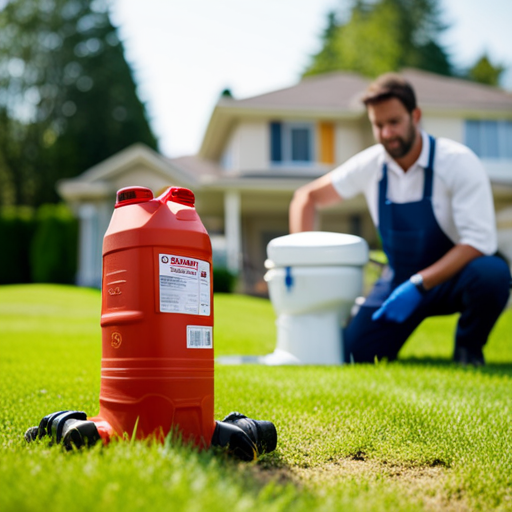
According to recent studies, the average lifespan of a drainfield is approximately 20 to 30 years. However, with proper maintenance and care, this lifespan can be significantly extended, ensuring the longevity and functionality of the drainfield system. Drainfield maintenance is crucial in preventing costly repairs and potential environmental hazards. This article aims to provide an in-depth understanding of the key steps involved in drainfield maintenance, offering valuable insights for homeowners and property owners alike. Regular inspections are a fundamental aspect of drainfield maintenance. These inspections not only help identify any potential issues or signs of deterioration but also allow for timely repairs and interventions. By detecting problems early on, homeowners can avoid costly repairs and potential system failures. Additionally, proper water usage is crucial in maintaining the health of the drainfield. Excessive water use, such as running dishwashers and doing laundry in large quantities, can overload the system and lead to drainage issues. By adhering to recommended water usage guidelines, homeowners can ensure the longevity and optimal functioning of their drainfields. Key Takeaways – Regular inspections and maintenance are crucial for extending the lifespan of a drainfield.– Proper water usage and conservation practices are necessary to prevent system overload and failure.– Early detection of issues such as soil compaction and root intrusion can prevent costly repairs.– Implementing erosion prevention techniques and maintaining proper surface grading contribute to the effectiveness and longevity of the septic system. Regular Inspections Regular inspections play a crucial role in the longevity of a drainfield, as they not only contribute to its overall health but also help prevent potential issues from escalating. Inspection frequency is...
Drainfield issues can be a major headache for homeowners, leading to costly repairs and potential health hazards. However, with the right preventative measures and expert advice, these issues can be minimized or even avoided altogether. In this article, we will explore a range of expert tips and advice for preventing drainfield issues, offering homeowners the knowledge and tools they need to maintain a healthy and functional drainfield system. Regular maintenance practices are crucial for preventing drainfield issues. By implementing a routine maintenance schedule, homeowners can ensure that their drainfield remains in optimal condition. This includes tasks such as regular pumping and inspection, as well as being mindful of what goes down the drains. Additionally, proper waste disposal techniques play a significant role in preventing drainfield issues. By avoiding the disposal of harmful substances, such as grease, chemicals, and non-biodegradable materials, homeowners can protect their drainfield from clogs and damage. By following these expert tips and advice, homeowners can take proactive steps towards preventing drainfield issues and ensuring the longevity of their drainfield system. Key Takeaways – Regular maintenance practices, including pumping and inspection, are crucial for preventing drainfield issues.– Proper waste disposal techniques, such as avoiding the disposal of harmful substances, are important in preventing drainfield issues.– Regular soil testing should be conducted to monitor and maintain the quality of the soil surrounding the drainfield.– Drainfield rejuvenation through methods like mechanical aeration and soil fracturing can significantly extend the lifespan of drainfields and prevent costly repairs or replacements. Regular Maintenance Practices Regular maintenance practices are essential to ensure the longevity and optimal functioning of drainfields, as they serve to...
Septic systems play a crucial role in managing and treating household wastewater in areas not connected to municipal sewage systems. Understanding the relationship between drainfield problems and septic tank effluent is essential for homeowners to ensure the proper functioning of their septic systems. This article aims to provide a comprehensive understanding of this relationship by examining the role of the drainfield in the septic system, common drainfield problems and their causes, signs of septic tank effluent issues, and tips for maintaining a healthy drainfield. The drainfield, also known as the leach field or absorption field, is a critical component of the septic system. Its primary purpose is to disperse and treat the effluent that flows from the septic tank. The effluent, which contains a mixture of liquid and solid waste, undergoes partial decomposition in the septic tank before being released into the drainfield. The drainfield consists of a network of perforated pipes buried in gravel or a specialized soil called soil absorption system. As the effluent seeps through the pipes and into the soil, it undergoes further treatment through physical, chemical, and biological processes. However, if the drainfield malfunctions or encounters problems, it can lead to issues with septic tank effluent, potentially causing environmental contamination and health hazards. By understanding the relationship between drainfield problems and septic tank effluent, homeowners can take proactive steps to maintain a functioning septic system and mitigate any potential risks. Key Takeaways – Regular maintenance and inspection of the drainfield are crucial for its efficiency and functionality.– Excessive water usage can overload the drainfield and lead to system failure.– Poor drainage around the drainfield...
Drainfield problems can be a major headache for homeowners, leading to issues such as sewage backups and foul odors. Traditionally, fixing these problems involved costly and time-consuming digging to access and repair the drainfield. However, advancements in septic system technology have introduced alternative methods that can address drainfield issues without the need for excavation. This article aims to provide a comprehensive guide on how to fix drainfield problems without digging, offering effective solutions that can restore the functionality and efficiency of your septic system. In this article, we will explore various strategies for identifying drainfield issues and implementing the necessary treatments. We will delve into the use of septic tank treatments and bacterial additives, which can help to rejuvenate the drainfield by promoting the breakdown of waste and inhibiting the growth of harmful bacteria. Additionally, we will discuss the importance of regular maintenance and inspections, as well as preventive measures that can contribute to the long-term health of your drainfield. By following these guidelines, homeowners can address drainfield problems in a cost-effective and efficient manner, ensuring the smooth operation of their septic system and providing peace of mind in maintaining a clean and healthy home environment. Identifying Drainfield Issues One method to identify drainfield issues without the need for digging is by utilizing specialized cameras that can be inserted into the pipes, allowing for a non-invasive inspection of the underground system. These cameras provide a more efficient and less disruptive way of pinpointing drainfield problems. By inserting the camera into the pipes, professionals can visually inspect the condition of the drainfield and identify any signs of failure or blockages....
A properly functioning drainfield is vital for the efficient and effective operation of a septic system. However, like any component of a septic system, the drainfield can experience issues that may indicate its failure. Recognizing the common signs of a failing drainfield is crucial for homeowners to address the problem promptly and avoid costly repairs or replacements. One prominent sign of a failing drainfield is the presence of standing water in the yard. This water may appear as puddles or soggy areas, indicating that the drainfield is not adequately absorbing and dispersing the wastewater. Another sign is the occurrence of strong odors in the yard or near the septic tank. These odors may be unpleasant and can be an indication of a septic system malfunction, specifically related to the drainfield. By understanding and recognizing these signs, homeowners can take appropriate action to address the issue before it worsens, ensuring the continued functionality of their septic system and minimizing any potential health and environmental risks. Standing Water in Your Yard The presence of standing water in one’s yard is often indicative of a failing drainfield, a common sign that should not be overlooked. When a drainfield fails, it means that the wastewater from the septic system is not being properly filtered and distributed into the soil. Instead, the water may pool on the surface, resulting in the formation of standing water in the yard. This standing water can be a nuisance as it makes the yard unusable and can create an unpleasant smell. It can also attract mosquitoes and other pests, posing a health risk to humans and animals. To...
Septic tank maintenance is a crucial aspect of owning a property that relies on a septic system. However, like any other system, septic tanks can encounter issues that require troubleshooting and maintenance. How can you identify signs of septic tank problems? What steps can you take to deal with odor issues or fix drainage problems? In this article, we will provide a detailed troubleshooting guide for septic tank maintenance issues, offering practical tips and solutions to ensure the smooth functioning of your septic system. When it comes to septic tank maintenance, it is essential to be proactive and vigilant in identifying potential problems. One of the first signs of septic tank issues is the presence of foul odors around the property or in the plumbing fixtures. These odors can be indicators of a malfunctioning septic system, such as a full or overflowing tank or a blockage in the drain field. Additionally, slow drainage or gurgling sounds in the plumbing system could also suggest a problem with the septic tank. By recognizing these signs early on, you can address the issues promptly and prevent more significant problems from occurring. Maintaining a septic tank requires knowledge and understanding of the system’s components and their functions. Whether it is clearing clogs and blockages or implementing preventative measures, being well-informed is key to effective troubleshooting. In the following sections of this article, we will delve into various maintenance issues that can arise with septic tanks and provide detailed guidance on how to deal with them. By following these troubleshooting tips, you can ensure the longevity and proper functioning of your septic system, providing...
Maintaining a septic tank is an essential aspect of ensuring proper sanitation and waste management in residential and commercial properties. However, many individuals often overlook the importance of regular septic tank maintenance, leading to costly repairs and potential health hazards. In this article, we will explore some of the common mistakes that individuals make when it comes to septic tank maintenance and provide valuable insights on how to avoid them. One of the most crucial aspects of septic tank maintenance is regular inspections. By neglecting routine inspections, individuals risk missing potential issues such as leaks, blockages, or damage to the tank or drain field. Regular inspections allow for early detection and prompt repair, preventing further damage and ensuring the longevity of the septic system. Additionally, improper disposal of non-biodegradable items can cause significant problems in septic tanks. It is important to remember that septic tanks are designed to handle only biodegradable waste. Disposing of non-biodegradable items such as feminine hygiene products, paper towels, or cigarette butts can lead to clogs and backups, compromising the functionality of the septic system. By adhering to proper disposal practices, individuals can prevent unnecessary damage and maintain the optimal functioning of their septic tank. Key Takeaways – Regular septic tank inspections are crucial for early detection of issues and to prevent costly repairs and system failures.– Proper disposal of non-biodegradable items is important to maintain septic tank health, and exploring recycling options for such waste is recommended.– Limiting the use of household chemicals and using natural alternatives is recommended to maintain the septic tank’s natural balance and prevent harm to the environment.– Proper maintenance...
In the realm of septic systems, an ounce of prevention is worth a pound of cure. Just like the saying ‘a stitch in time saves nine,’taking proactive measures to maintain your septic tank can save you from costly repairs and a major headache down the line. This ultimate guide aims to provide you with a comprehensive understanding of DIY septic tank maintenance, equipping you with the knowledge and tools necessary to effectively care for your septic system. When it comes to septic tanks, knowledge is power. Understanding the inner workings of your septic system is crucial for successful maintenance. This guide will delve into the intricacies of septic systems, covering the various components and their functions. It will explore the importance of regular septic tank inspections, discussing the signs of potential issues and the steps to ensure your tank operates optimally. Furthermore, this guide will outline proper waste disposal practices, highlighting the essential dos and don’ts to prevent clogs and system failures. Additionally, it will provide detailed information on maintaining a healthy drain field, offering tips and techniques to protect this vital component of your septic system. Lastly, troubleshooting common septic tank issues will be explored, providing you with practical solutions to address common problems that may arise. By following this ultimate guide, you will be equipped with the knowledge and tools necessary to become a responsible and proficient caretaker of your septic tank, ensuring longevity and efficiency for years to come. Key Takeaways – Regular septic tank pumping is necessary to remove accumulated sludge and scum.– Flushing non-biodegradable items can clog the system and hinder its operation.– Regular...
Septic tank maintenance is a crucial aspect of homeownership that is often overlooked or misunderstood. Proper maintenance of septic systems is essential for the efficient and long-lasting functioning of these underground wastewater treatment systems. In order to uncover the secrets of proper septic tank maintenance, it is important to understand the various components of a septic system and their functions. This article aims to provide an objective and informative overview of septic tank maintenance, focusing on key areas such as regular pumping and inspection, proper disposal of household waste, maintaining drainfield health, and recognizing signs of septic system problems. Understanding your septic system is the first step towards effective maintenance. A septic system consists of a septic tank, a drainfield, and connecting pipes. The septic tank is a large, watertight container buried underground that receives and treats wastewater from your household plumbing. The tank is designed to separate solid waste from the liquid, allowing the liquid to flow out into the drainfield for further treatment. Regular pumping and inspection of the septic tank is necessary to prevent the buildup of solid waste, which can clog the system and lead to costly repairs. Additionally, proper disposal of household waste is crucial to avoid introducing harmful substances into the septic system, which can disrupt the natural treatment process and damage the system. By following these guidelines and recognizing the signs of septic system problems, homeowners can ensure the longevity and efficiency of their septic systems, ultimately contributing to a healthier environment and a more sustainable future. Key Takeaways – Regular pumping and inspection of the septic tank is crucial for efficient...
Septic tank maintenance is a topic often overlooked, yet its importance cannot be understated. In a world where we strive for cleanliness and efficiency, the septic tank stands as a silent guardian, dutifully processing our waste and ensuring the health of our systems. However, this unsung hero requires our attention and care to maintain its optimal performance and long-term health. In this article, we will delve into the key tips for septic tank maintenance, presented in an academic and technical manner. Through the use of objective and impersonal language, we aim to provide you with the necessary knowledge and tools to ensure the longevity and efficiency of your septic system. By following these guidelines, you will not only avoid costly repairs and potential health hazards but also contribute to the collective goal of preserving our environment. So, let us embark on this journey together, as responsible stewards of our septic tank systems, united in our desire for a cleaner and healthier future. Key Takeaways – Regular pumping every 3-5 years is recommended to prevent solids from accumulating and clogging the system.– Proper waste disposal is crucial to prevent blockages, such as avoiding flushing non-biodegradable materials and excessive use of household chemicals.– Monitoring water usage and practicing water conservation helps maintain the balance of the septic tank.– Professional inspections by trained experts are crucial for early detection and prevention of issues. Regular Pumping for Optimal Performance Regular pumping is essential for maintaining the optimal performance of a septic tank system, as it helps prevent solids from accumulating and clogging the system, thus ensuring its longevity and functionality. The frequency at...