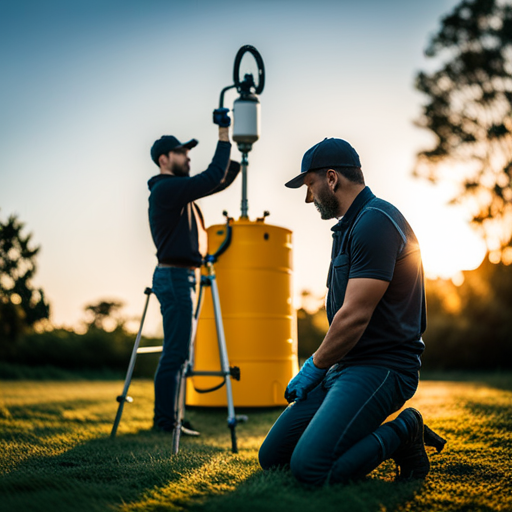
Regular maintenance of septic tanks is essential for ensuring proper functioning and preventing costly repairs. However, homeowners often face a dilemma when it comes to septic tank pumping – should they prioritize saving money or ensuring quality? This article explores the factors to consider when choosing a septic tank pumping service and how to strike a balance between cost and quality. Septic tank pumping is a critical aspect of septic system maintenance that involves removing accumulated sludge and scum from the tank. Neglecting this task can lead to a variety of problems, including clogged pipes, foul odors, and even septic system failure. When it comes to choosing a septic tank pumping service, homeowners must weigh the importance of cost and quality. On one hand, opting for a cheaper service may seem attractive, as it allows for immediate financial savings. However, it is crucial to remember that low-cost services may compromise on quality, potentially leading to incomplete pumping or damage to the septic system. On the other hand, prioritizing quality may involve higher upfront costs but can ensure the thorough removal of waste and the longevity of the septic system. Striking the right balance between cost and quality is therefore paramount to ensure the effective and efficient functioning of the septic tank. Key Takeaways – Septic tank maintenance prevents costly damage and repairs.– Investing in quality septic tank pumping leads to long-term cost savings.– Well-maintained septic systems are more efficient in treating and disposing of waste.– Lower environmental cleanup costs and potential fines can be avoided. The Importance of Regular Septic Tank Pumping Regular septic tank pumping is a crucial...
Septic tank pumping is an essential aspect of maintaining a functional and efficient septic system. However, when it comes to deciding whether to tackle this task yourself or hire a professional, there are several factors to consider. In this article, we will explore the pros and cons of DIY septic tank pumping versus hiring a professional service. By understanding the benefits, potential risks, and importance of proper equipment and knowledge, you will be equipped to make the right choice for your septic system’s needs. Imagine you are standing in your backyard, facing a perplexing dilemma: should you take matters into your own hands and attempt to pump your septic tank, or should you seek the expertise of a professional? It’s a decision that can have significant consequences for the health of your septic system and your wallet. In this article, we will delve into the objective pros and cons of each option, providing you with the knowledge and insights necessary to make an informed decision. Whether you are a seasoned DIY enthusiast or someone who prefers leaving such tasks to the professionals, understanding the intricacies of septic tank pumping is crucial for the longevity and efficient functioning of your septic system. So, let us embark on this journey together, as we explore the world of DIY versus professional septic tank pumping. Key Takeaways – DIY septic tank pumping can save money but comes with risks and complexities.– Professional septic tank pumping ensures efficient removal of waste materials.– Hiring professionals reduces the risk of costly repairs or environmental damage.– Professionals have the expertise and experience to handle septic systems. Pros...
Septic tank pumping is an essential maintenance task for homeowners with septic systems. When it comes to this task, homeowners have the option of either performing the pumping themselves or hiring professionals to do it for them. Both options have their own set of pros and cons that need to be carefully considered. In this article, we will explore the advantages and disadvantages of DIY pumping versus hiring professionals, providing homeowners with the necessary information to make an informed decision. The first aspect to consider is the cost savings associated with DIY pumping. Many homeowners are drawn to the idea of saving money by taking on the task themselves. DIY pumping eliminates the need to pay for professional services, potentially resulting in significant cost savings. However, it is important to weigh this against the potential risks and drawbacks, as DIY pumping may involve additional expenses if mistakes are made or if equipment needs to be rented or purchased. Additionally, homeowners need to consider the value of their time and whether they are willing to invest the effort and labor required for this task. By exploring the cost savings and potential drawbacks, homeowners can make a well-informed decision on whether to pursue DIY pumping or hire professionals for septic tank maintenance. Cost Savings of DIY Pumping One potential advantage of DIY septic tank pumping is the potential for significant cost savings, as homeowners can avoid the expense of hiring professional septic tank pumping services, which can cost several hundred dollars. Septic tank pumping is an essential maintenance requirement for homeowners with septic systems, as it helps remove accumulated solid waste...
Septic tank maintenance is often overlooked by homeowners, but it is a crucial aspect of responsible home ownership. Consistent maintenance can have a multitude of benefits that go beyond just avoiding costly repairs. This article aims to shed light on the untold benefits of regular septic tank maintenance, highlighting how it can protect the environment, extend the lifespan of your septic system, and ultimately save you time and money in the long run. Properly maintaining your septic tank can prevent costly repairs in the future. Regular inspections and pumping can help identify any potential issues early on, allowing for timely repairs that are less expensive than major repairs or even complete system replacement. By addressing problems promptly, homeowners can avoid the inconvenience and financial burden of dealing with a malfunctioning septic system. Moreover, consistent septic tank maintenance is essential for protecting the environment. A well-maintained septic system ensures that wastewater is properly treated and does not contaminate the surrounding soil or water sources. By adhering to a regular maintenance schedule, homeowners can contribute to the preservation of local ecosystems and ensure the health and safety of their community. Additionally, a properly functioning septic system reduces the risk of groundwater contamination, which can have far-reaching consequences for both human and environmental health. In conclusion, the benefits of consistent septic tank maintenance extend far beyond just avoiding expensive repairs. By taking proactive steps to maintain your septic system, you can protect the environment, extend the lifespan of your system, and save time and money in the future. It is a responsible and necessary aspect of home ownership that should not be...
Septic tank care is a crucial aspect of maintaining a functional and healthy household. Understanding the importance of routine maintenance can help homeowners avoid costly repairs and ensure the longevity of their septic systems. This article aims to shed light on the significance of regular septic tank care, including the benefits it brings, signs that indicate a failing septic tank, and steps to properly care for one’s septic system. Maintaining a septic system is vital to prevent any potential health hazards and environmental pollution. By familiarizing ourselves with the workings of a septic system, we can appreciate the necessity of routine maintenance. This article will delve into the various components of a septic system, such as the septic tank, drain field, and soil absorption system, to provide a comprehensive understanding of how these elements function together to treat and dispose of household wastewater. By doing so, homeowners can gain a deeper appreciation for the importance of regular care to ensure the system operates efficiently and effectively. Key Takeaways – Regular septic tank care is crucial for maintaining a functional and healthy household.– Ignoring signs of a failing septic tank can lead to extensive damage and costly repairs.– Hiring professional septic services ensures optimal functioning and longevity of septic systems.– Septic tank pumping is a key part of septic system maintenance to prevent overflow and maintain system efficiency. Understanding Your Septic System Understanding the functioning and components of a septic system is crucial in order to properly maintain and care for it. A septic system is an underground wastewater treatment system commonly used in rural areas that do not have...
Why Regular Septic Tank Maintenance is Vital for Longevity Have you ever wondered what lies beneath the surface of your home, silently working to manage your household waste? The septic tank, a crucial component of your property’s plumbing system, plays a vital role in treating and disposing of wastewater. However, like any other system, it requires regular maintenance to ensure its longevity and optimal performance. In this article, we will delve into the importance of regular septic tank maintenance, exploring the reasons why it is essential for preventing system failures, maintaining proper functioning, and avoiding inconvenience, health risks, and financial burdens. Proper maintenance of your septic tank is essential to prevent system failures and costly repairs. Over time, solid waste and other materials accumulate in the tank, leading to blockages and potential backups in your plumbing system. Regular maintenance, including the pumping and cleaning of the tank, helps remove these accumulated solids, preventing them from causing obstructions or damaging the system. By addressing these issues proactively, you can avoid the inconvenience, health risks, and financial burden associated with septic system failures. Additionally, regular maintenance allows for the detection of any potential problems early on, giving you the opportunity to address them before they escalate into more significant issues. Thus, ensuring the longevity and optimal functioning of your septic tank through regular maintenance is crucial for a hassle-free and efficient household waste management system. Key Takeaways – Regular septic tank maintenance saves money and protects the environment and health.– Proper septic system care through regular inspections and issue resolution safeguards against inconvenience, health risks, and financial burden.– Regular maintenance allows...
Maintaining a healthy septic tank is essential for the proper functioning of a household’s wastewater system. A septic tank is an underground structure that holds and treats waste from a property. It operates on a simple yet effective principle, relying on the natural processes of anaerobic bacteria to break down solid waste. However, without regular maintenance and proper care, a septic tank can become clogged, leading to costly repairs and potential health hazards. This ultimate guide aims to provide homeowners with the knowledge and tools necessary to keep their septic tanks in optimal condition. By understanding how a septic tank works, individuals can make informed decisions about its maintenance. From regular pumping to the proper disposal of household waste, this guide will delve into the key practices that contribute to a healthy septic system. Additionally, monitoring water usage and recognizing signs of septic tank problems will be discussed, providing readers with the necessary steps to take when issues arise. By following the advice presented in this guide, homeowners can ensure the longevity and effectiveness of their septic tanks, fostering a sense of belonging to a community that values the well-being of its environment and fellow residents. Understanding How a Septic Tank Works Contrary to popular belief, a septic tank operates as a self-contained wastewater treatment system, effectively separating and treating solid waste from liquid waste. This essential component of a residential or commercial property’s plumbing system plays a crucial role in maintaining a healthy environment and preventing the contamination of groundwater. Understanding how a septic tank works is vital for proper septic tank maintenance and septic tank cleaning. A...
Septic system repairs can be a costly and inconvenient endeavor for homeowners. To avoid these expenses and ensure the proper functioning of their septic systems, it is essential for homeowners to adopt proactive maintenance practices. This article will discuss the key strategies for avoiding costly septic system repairs, including: – Regular pumping for system maintenance– Proper waste disposal practices– Recognizing signs of a malfunctioning septic system– Implementing proactive maintenance tips Maintaining a septic system requires regular pumping to prevent the accumulation of solids and ensure the system operates efficiently. Proper waste disposal practices, such as avoiding the flushing of non-biodegradable materials and limiting the use of harsh chemicals, are crucial in maintaining the health of the septic system. Recognizing the signs of a malfunctioning septic system, such as slow drains, foul odors, or pooling water in the yard, can help homeowners address issues before they escalate into costly repairs. By implementing proactive maintenance tips, such as conserving water, inspecting the system regularly, and being mindful of the location of the septic tank, homeowners can extend the lifespan of their septic systems and avoid unnecessary expenses. By following these strategies, homeowners can ensure the longevity and functionality of their septic systems while saving money in the long run. Key Takeaways – Regular inspections can help identify issues early on and prevent further damage to the septic system and environment.– Eco-friendly septic system products enhance the natural decomposition process of waste, reduce accumulation of solids, and prevent blockages.– Promoting the growth of beneficial bacteria in the septic system aids in the breakdown of waste and helps maintain a healthy balance.– Using...
Maximizing Efficiency: Optimal Pumping Intervals for Your Septic Tank Septic systems are a vital component of many residential properties, providing an efficient and environmentally friendly method of waste disposal. However, to ensure the continued functionality and longevity of your septic system, it is crucial to understand the importance of regular pumping intervals. By adhering to optimal pumping frequencies, homeowners can effectively manage their septic tanks, reducing the risk of costly repairs and environmental contamination. This article aims to provide a comprehensive guide to maximizing the efficiency of your septic system by determining the ideal pumping intervals. Understanding the intricacies of your septic system is essential in maintaining its efficient operation. A septic system consists of a tank that holds and treats wastewater from your household. Solid waste settles to the bottom of the tank, while liquids exit through an outlet pipe into a drain field. Over time, solid waste accumulates, reducing the capacity and effectiveness of the tank. This necessitates regular pumping to remove the accumulated sludge and prevent blockages or system failures. By comprehending the functioning and components of your septic system, you can make informed decisions regarding the optimal pumping intervals, ensuring its smooth operation and minimizing the risk of potential issues. Key Takeaways – The recommended frequency for septic tank inspection and pumping is every 3 to 5 years.– Proper waste disposal is crucial for maintaining a healthy septic system.– Non-biodegradable items such as diapers, paper towels, and feminine hygiene products should be avoided when flushing.– Avoid pouring grease or oil down the drain to prevent blockages. Understanding Your Septic System Understanding Your Septic System is...
Imagine your septic tank as a guardian, silently working beneath the surface to protect your home from the perils of waste disposal. Just like any guardian, it requires regular care and attention to ensure its continued effectiveness. One crucial aspect of septic tank maintenance is pumping, which involves removing accumulated sludge and scum. However, this process can be time-consuming and costly. That is why it is essential to explore strategies that can extend the time between septic tank pumpings, allowing you to enjoy a more efficient and economical system. In this article, we will delve into various approaches to extending the time between septic tank pumpings. By implementing proper waste disposal practices and conserving water usage, you can minimize the accumulation of waste in your tank. Additionally, we will discuss the use of septic tank additives and the implementation of a grease trap system, both of which can help maintain the health and functionality of your septic system. By understanding and implementing these strategies, you can not only reduce the frequency of septic tank pumpings but also contribute to the longevity and effectiveness of your septic system. So, let us embark on this journey of septic tank maintenance together, as we explore the ways to extend the time between septic tank pumpings and ensure a healthier and more sustainable future for our homes and communities. Key Takeaways – Regular maintenance and inspections are crucial for septic tank effectiveness and efficiency.– Proper waste disposal practices and water conservation are important strategies to extend the time between septic tank pumpings.– Septic tank additives and grease trap systems can also help reduce...