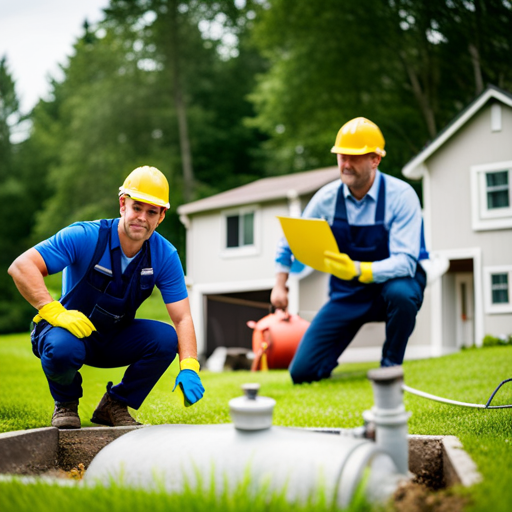
Imagine your septic system as the hidden engine that keeps your home running smoothly. Just like any engine, it requires regular maintenance and cleaning to ensure optimal performance. In this article, we will explore the importance of regular septic system cleaning and why neglecting this essential task can have dire consequences. By understanding the function of septic systems, recognizing the signs of a system in need of cleaning, and learning about the process and frequency of cleaning, you will gain valuable knowledge to help you maintain a healthy and efficient septic system for years to come. Maintaining a septic system is not only crucial for the functionality of your home, but it also plays a significant role in protecting the environment and ensuring the health and safety of your community. Septic systems are responsible for treating and disposing of wastewater from your household, acting as a self-contained sewage treatment facility. Without regular cleaning, solid waste and sludge can accumulate, leading to clogs, backups, and even system failure. Just like neglecting to change the oil in your car can eventually cause engine damage, neglecting septic system cleaning can result in costly repairs and potential health hazards. By understanding the importance of regular maintenance and cleaning, you are taking an active role in preserving the integrity and longevity of your septic system, while also contributing to the well-being of your community. Key Takeaways – Frequency of septic system cleaning depends on system size, number of occupants, and wastewater volume.– Regular cleaning prevents buildup of solids and ensures proper functioning.– Professional cleaning helps prevent blockages, backups, costly repairs, and health hazards.– Following...
Septic systems are an essential component of residential and commercial properties, ensuring efficient and safe waste management. However, they are susceptible to failure if not properly maintained and safeguarded. To prevent such failures and ensure the long-term functionality of your septic system, it is crucial to follow specific tips and guidelines. This article aims to provide you with an in-depth understanding of the measures required for safeguarding your septic system, focusing on regular pumping and maintenance, proper waste disposal practices, conserving water usage, avoiding harsh chemicals, and monitoring and inspecting your system. The first step in safeguarding your septic system is to prioritize regular pumping and maintenance. This involves periodically removing accumulated solids from your septic tank to prevent blockages and backups. It is recommended to have your tank pumped every three to five years, depending on its size and the number of occupants in your property. By adhering to this practice, you can ensure that the tank’s capacity remains optimal, preventing potential issues such as overflow and system failure. Additionally, regular maintenance, including inspections and repairs, can help identify and address minor problems before they escalate into major, costly repairs. By dedicating attention to this maintenance aspect, you can guarantee the longevity and reliability of your septic system, providing a safe and efficient waste management solution for your property. Key Takeaways – Regular pumping and maintenance are crucial for septic system health.– Proper waste disposal practices, such as avoiding flushing non-biodegradable waste, are important.– Water conservation and efficient fixtures help maintain the efficiency of the septic system.– Monitoring and regular inspections are essential for early detection and addressing...
Regular maintenance is crucial in preventing septic system failure and ensuring the overall health and functionality of these essential wastewater management systems. Septic systems play a vital role in treating and disposing of household wastewater, and without proper maintenance, they can become overwhelmed and prone to failure. This article aims to highlight the importance of regular maintenance in preventing septic system failure by discussing key tasks such as inspections, septic tank pumping, water usage monitoring, proper waste disposal, and leak identification and addressing. Maintaining a septic system is not only a responsibility but also a necessity for homeowners who rely on these systems for wastewater management. Neglecting regular maintenance can lead to costly repairs, environmental contamination, and health hazards. By adhering to a regular maintenance routine, homeowners can ensure that their septic systems are functioning optimally and avoid potential issues that may arise from neglect. This article will provide a comprehensive overview of the tasks involved in septic system maintenance, emphasizing the importance of each task and its role in preventing septic system failure. By following these maintenance guidelines, homeowners can contribute to the longevity and efficiency of their septic systems, promoting a safe and healthy environment for themselves and their communities. Key Takeaways – Regular maintenance is crucial in preventing septic system failure.– Inspections allow for the early detection of potential issues.– Pumping the septic tank at regular intervals is crucial to ensure proper functioning.– Proper waste disposal practices prevent the accumulation of harmful substances. The Role of Inspections in Septic System Maintenance Inspections play a crucial role in the regular maintenance of septic systems as they allow...
Septic systems play a crucial role in maintaining a healthy environment by efficiently treating and disposing of household wastewater. However, without proper care and maintenance, these systems can become a breeding ground for bacteria, leading to costly repairs and potential health hazards. This article aims to provide an in-depth overview of proactive measures that homeowners can take to ensure the longevity and optimal functioning of their septic systems. Regular inspections and maintenance are essential for the smooth operation of a septic system. By scheduling periodic inspections, homeowners can identify any potential issues before they become major problems. This includes checking for leaks, blockages, and signs of damage. Additionally, regular maintenance, such as pumping the septic tank, is necessary to remove accumulated solids and prevent the system from becoming overloaded. By following a proper pumping schedule and adhering to water conservation tips, homeowners can effectively manage their septic system’s capacity and prevent unnecessary strain on the system’s components. By implementing these proactive measures, homeowners can not only protect the environment but also ensure the longevity and optimal performance of their septic systems, thus creating a sense of belonging within a community of responsible homeowners. Key Takeaways – Regular inspections and maintenance are essential for the smooth operation of a septic system.– Proper waste disposal practices, such as avoiding flushing non-biodegradable items, prevent harmful substances from entering the septic system.– Water conservation tips, such as rainwater harvesting and greywater recycling, help manage the septic system’s capacity.– Incorporating eco-friendly alternatives, like biodegradable toilet paper and natural cleaning products, and using approved septic additives can help maintain a healthy septic system. Regular Inspections...
An ounce of prevention is worth a pound of cure.’ This age-old adage rings true when it comes to avoiding septic system breakdowns. Septic systems play a crucial role in managing household wastewater, but they can be vulnerable to various issues that can lead to costly repairs and inconveniences. To ensure the longevity and optimal functioning of your septic system, it is essential to follow key steps that promote its proper maintenance. In this article, we will explore the key steps to avoiding septic system breakdowns, providing you with technical and detailed information on mindful waste disposal, regular pumping and inspections, proper water usage and conservation, avoiding harsh chemicals, and protecting the drainfield. By adhering to these steps, you can safeguard your septic system’s health and avoid the stress and expense associated with breakdowns, while also fostering a sense of belonging and responsibility within your community of septic system owners. A septic system breakdown can disrupt daily life and lead to significant expenses, making it crucial to implement preventative measures. Mindful disposal of waste is the first step towards avoiding septic system breakdowns. Proper waste disposal means only flushing down toilet paper and human waste, while avoiding the disposal of harmful substances such as grease, oil, feminine hygiene products, and non-biodegradable items. Regular pumping and inspections are also vital in maintaining a healthy septic system. The frequency of pumping depends on the size of the tank and the number of occupants in the household, but typically, it is recommended to have the tank pumped every three to five years. Inspections can help identify potential issues early on, allowing for...
Septic systems play a vital role in maintaining the sanitation and hygiene of our homes. However, like any other system, they are prone to failure if not properly maintained and cared for. This article aims to provide a comprehensive guide on preventing common causes of septic system failure. By following the steps outlined in this article, homeowners can ensure the longevity and optimal performance of their septic systems. Regular maintenance and inspections are crucial in preventing septic system failure. By scheduling routine inspections and maintenance checks, homeowners can identify and address potential issues before they escalate into major problems. This proactive approach allows for timely repairs and adjustments, reducing the risk of costly repairs or even complete system failure. Additionally, proper waste disposal is essential in preventing septic system failure. Educating oneself on what can and cannot be flushed down the toilet or poured down the drains is imperative. By adhering to proper waste disposal practices, homeowners can prevent clogs and damage to the septic system, ultimately prolonging its lifespan. Key Takeaways – Regular inspections and maintenance checks are essential for identifying and addressing potential issues.– Scheduled septic tank pumping is necessary to remove solid waste and prevent blockages.– Septic system cleaning should be done to remove sludge and organic materials and maintain efficiency.– Proper care should be taken to prevent strain on the septic system, such as using water conservation techniques and diverting waste away from the system through composting toilets. Regular Maintenance and Inspections Regular maintenance and inspections play a crucial role in ensuring the longevity and optimal functioning of septic systems. These activities involve scheduled assessments...
In the vast underground world of septic systems, a delicate balance is maintained by a multitude of microscopic organisms. Like an intricate web, these organisms work tirelessly to ensure the health and functionality of our septic systems, silently carrying out their vital tasks. One key player in this web of life is bacteria, whose role in septic system health is often overlooked but undeniably crucial. Just as ants labor together to build their complex colonies, bacteria collaborate in a synchronized dance to break down organic matter within septic systems. This process of decomposition is like a symphony, with each bacterium playing its unique instrument to create harmony. As the organic waste enters the septic tank, bacteria begin their work, breaking down complex molecules into simpler substances through a series of enzymatic reactions. This breakdown process is essential for the proper functioning of the system, as it prevents the accumulation of harmful substances and ensures the longevity of the septic system. The Importance of Bacteria in Septic Systems The presence of bacteria in septic systems is of utmost significance for their proper functioning and maintenance. Bacterial activity plays a crucial role in breaking down organic matter and ensuring the efficient decomposition of waste materials in septic systems. These bacteria, known as anaerobic bacteria, thrive in oxygen-deprived environments and are responsible for the degradation of complex organic compounds present in wastewater. By breaking down these compounds, bacteria help to prevent the accumulation of solids in the septic tank, which can lead to clogging and system failure. One of the key benefits of bacterial activity in septic systems is the promotion of...
Imagine a tranquil suburban neighborhood, with picturesque houses nestled amidst lush green lawns. As you stroll along the streets, a sense of harmony and belonging envelops you, as if you have found your place in the world. But beneath this idyllic facade lies a concealed network of septic systems, silently working to maintain the cleanliness and functionality of each home. These systems, like the unsung heroes of the neighborhood, go unnoticed until they encounter trouble. In this article, we will delve into the intricate world of troubleshooting common septic system issues, equipping you with the knowledge to tackle any problem that may arise. Septic system issues can disrupt the peace and harmony of any household, leading to foul odors, clogged drain fields, and malfunctioning tanks. It is essential to identify the source of these problems to effectively resolve them. Through a detailed examination of the various components of a septic system, we will explore the potential causes and solutions for each issue. By understanding the technical aspects and troubleshooting techniques, you will be empowered to create a pleasant home environment, free from the worries and inconveniences of septic system malfunctions. So, let us embark on this journey of discovery and equip ourselves with the knowledge to maintain the serenity of our suburban haven. Key Takeaways – Proper maintenance of a septic system is crucial to prevent clogs and damage.– Avoid disposing of grease, paper towels, or chemicals down the drain.– DIY troubleshooting techniques can help identify and resolve minor septic system issues.– Foul odor from drains can be caused by a dry trap, which can be resealed by pouring...
Septic tanks are an essential component of many residential and commercial properties, providing a safe and efficient means of wastewater disposal. However, like any other system, septic tanks require regular maintenance to ensure optimal functionality and prevent costly repairs. This article aims to highlight the importance of pumping your septic tank regularly, emphasizing the technical aspects, data-driven solutions, and the benefits it brings to both the individual and the community. Regular pumping of the septic tank is crucial to prevent system failure and costly repairs. Over time, solids and sludge accumulate in the tank, reducing its capacity and hindering the proper breakdown of waste. This accumulation can lead to clogged pipes, backup, and even overflow, posing a significant risk to public health and the environment. By adhering to a regular pumping schedule, property owners can effectively remove accumulated solids and sludge, ensuring the system operates at its optimal capacity and reducing the likelihood of costly repairs. Additionally, regular pumping promotes the proper breakdown of waste, preventing the build-up of harmful substances that can contaminate groundwater and nearby bodies of water. By taking a proactive approach to septic tank maintenance, individuals not only safeguard their own property but also contribute to the overall well-being and sustainability of the community. Key Takeaways – Regular pumping of the septic tank is crucial to prevent costly repairs and system failure.– Pumping removes accumulated solids and sludge, ensuring optimal capacity and reducing the need for repairs.– Neglecting to pump the septic tank can lead to system failure, sewage backups, and leaks.– Regular pumping helps identify and address potential problems before they become costly and...
The septic system, hidden underground like a secret treasure, plays a crucial role in maintaining a healthy and sanitary home environment. Like an intricate web of interconnected chambers and pipes, this system silently processes and disposes of our waste, ensuring the safety and well-being of our households. However, in order to maintain the efficient functioning of this hidden gem, regular maintenance is essential. This article aims to provide you with essential tips for regular septic system maintenance, ensuring that your system continues to function smoothly and effectively for years to come. With a complex system like the septic system, understanding its intricacies is the first step towards proper maintenance. This knowledge will enable homeowners to identify signs of potential issues and take appropriate action to prevent costly repairs. Regular pumping and inspection are crucial maintenance tasks that should not be overlooked. By scheduling routine pumping, you can prevent the accumulation of solid waste and the clogging of your system, ensuring its optimal performance. Additionally, regular inspections allow you to identify any potential leaks, cracks, or damage that may compromise the functionality of your septic system. By being proactive and addressing these issues promptly, you can avoid more severe problems down the line. As responsible members of our communities, it is our duty to practice proper waste disposal practices. By adopting mindful habits such as avoiding the flushing of non-biodegradable items and limiting the use of harsh chemicals, we can protect our septic systems from unnecessary strain and damage. Furthermore, conserving water usage not only benefits the environment but also helps maintain the balance within our septic systems. Excessive water...