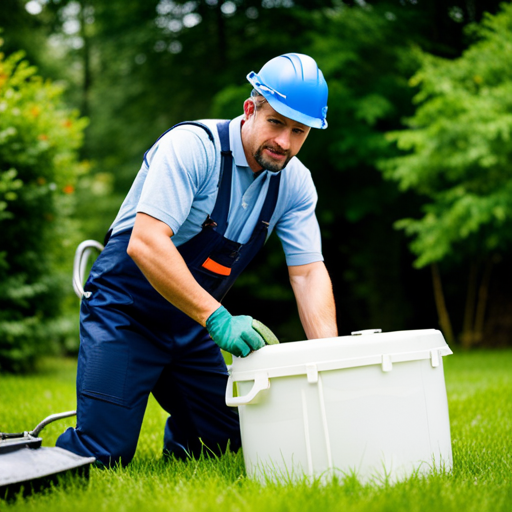
Septic system backups can be a major inconvenience and cause significant damage to both the septic system and the surrounding environment. It is crucial to address these backups promptly and effectively to prevent further complications. This article discusses important fixes for septic system backups, providing technical and detailed information on how to resolve this issue. Regular inspection and pumping are essential for maintaining a healthy septic system and preventing backups. By scheduling regular inspections, homeowners can identify potential problems early on and take necessary actions to avoid backups. Additionally, regular pumping removes accumulated solids from the septic tank, preventing clogs and backups. Proper waste disposal is another crucial aspect to consider. It is important to educate homeowners about the appropriate methods of waste disposal, such as avoiding flushing non-biodegradable items down the toilet or drain. These items can cause blockages in the septic system, leading to backups. By promoting responsible waste disposal practices, homeowners can contribute to the prevention of septic system backups. Key Takeaways – Regular inspection and pumping are necessary to prevent septic system backups.– Proper waste disposal and avoiding flushing non-biodegradable items are important to avoid blockages and backups.– Regular maintenance helps identify and address potential issues with the septic system.– Professional assistance is needed for safe and efficient pumping of the septic tank. Regular Inspection and Pumping Regular inspection and pumping of septic systems is crucial for preventing backups and ensuring the proper functioning of the system. Regular maintenance is essential to avoid septic system backups, as it helps identify and address any potential issues before they escalate into major problems. By conducting routine inspections,...
Drainfields are an essential component of septic systems, responsible for the safe disposal of wastewater from residential and commercial properties. Choosing the best drainfield design for your property is crucial to ensure efficient and effective wastewater treatment. This article aims to provide an in-depth analysis of the factors that need to be considered when determining the optimal drainfield design, including property size, soil type, and drainage capabilities. When it comes to drainfield design, property size and space requirements play a significant role. The size of the property will determine the available area for the drainfield installation, while space requirements will dictate the layout and configuration of the drainfield system. Evaluating the soil type and its drainage capabilities is another vital aspect to consider. Different soil types have varying levels of permeability, which affects how well the soil can absorb and treat the wastewater. An accurate assessment of the soil’s ability to drain is crucial to prevent system failure and potential environmental contamination. Furthermore, the number of trenches and pipes needed for the drainfield should be carefully determined. This is based on factors such as the property’s wastewater output, soil characteristics, and local regulations. Exploring different drainfield design options is essential to ensure the most suitable design for your property. This may involve considering alternative technologies, such as drip irrigation systems or mound systems, depending on the specific site conditions and requirements. By thoroughly researching and analyzing these factors, property owners can make an informed decision about the best drainfield design for their property, ensuring optimal wastewater treatment and environmental protection. Key Takeaways – Drainfield design is influenced by factors...
Drainfields play a vital role in the proper functioning of septic systems, ensuring the safe disposal of wastewater and preventing environmental contamination. However, the effectiveness of drainfields heavily relies on the design and construction methods employed, particularly when it comes to tailoring these designs to suit specific soil conditions. Understanding the soil permeability and its relationship with drainfield performance is crucial in achieving optimal functionality and longevity of the septic system. Soil permeability refers to the ability of soil to allow water to pass through it. Different soil types possess varying permeability characteristics, which directly impact the efficiency of a drainfield. Factors such as soil texture, structure, and composition influence the rate at which water can infiltrate into the soil. By tailoring drainfield designs to specific soil conditions, septic system professionals can optimize the flow of wastewater through the drainfield and ensure proper treatment and disposal. This not only enhances the overall performance of the septic system but also minimizes the risk of system failure and potential environmental hazards. In this article, we will explore the importance of tailoring drainfield designs to soil conditions, with a focus on designing for clay soils and sandy soils. By understanding the relationship between soil permeability and drainfield design, septic system professionals can implement strategies to enhance efficiency, longevity, and ultimately, the sustainable functioning of septic systems. Key Takeaways – Understanding soil permeability is crucial for optimal drainfield functionality and longevity.– Tailoring drainfield designs to specific soil conditions optimizes wastewater flow and treatment.– Different soil types have varying permeability characteristics that impact drainfield efficiency.– Regular maintenance and vegetation management are important for proper...
Drainfield design options are critical components of wastewater treatment systems, as they play a crucial role in the proper disposal and treatment of effluent. Understanding the pros and cons of different drainfield design options is essential for homeowners, builders, and wastewater professionals alike. This article aims to provide an objective and analytical overview of various drainfield design options, including the traditional gravel trench system, chamber system, mound system, pressure distribution system, and advanced treatment systems, to help readers make informed decisions about their wastewater treatment needs. The traditional gravel trench system is one of the most common and widely used drainfield design options. It consists of a series of perforated pipes surrounded by gravel in a trench. This design allows for the efficient distribution of effluent and promotes natural filtration and microbial activity. However, it may require a large amount of space and may not be suitable for sites with high water tables or poor soil conditions. On the other hand, the chamber system offers a more compact and versatile alternative. It utilizes lightweight plastic chambers that provide a larger infiltrative surface area, allowing for better effluent distribution and increased treatment capacity. While it can be installed in a variety of soil conditions and is less prone to clogging, it may be more expensive and require professional installation. By exploring the pros and cons of different drainfield design options, individuals can make informed decisions that align with their specific needs and contribute to the overall sustainability and efficiency of their wastewater treatment systems. Traditional Gravel Trench System One interesting statistic regarding traditional gravel trench systems is that they have...
Efficient wastewater treatment is a pressing issue in today’s world, as the population continues to grow and strain on existing infrastructure increases. To address this challenge, researchers and engineers are constantly exploring innovative drainfield designs that can effectively treat wastewater while minimizing space requirements. These designs aim to optimize the use of available land, reduce the impact on the environment, and provide cost-effective solutions for wastewater treatment. One area of focus in exploring innovative drainfield designs is compactness and space-saving. Traditional drainfields can take up a significant amount of land, making them unsuitable for densely populated areas or areas with limited space. By developing compact designs, engineers can maximize the capacity of a drainfield within a smaller footprint, allowing for more efficient use of land resources. This not only addresses the issue of space constraints but also enables the treatment of wastewater in areas where conventional systems may not be feasible. Another aspect of innovative drainfield designs is the incorporation of enhanced filtration systems. Filtration plays a crucial role in wastewater treatment, as it removes contaminants and impurities before the water is discharged. By utilizing advanced filtration technologies, such as membrane filtration or biofiltration, engineers can improve the efficiency and effectiveness of wastewater treatment. These systems can remove a wide range of pollutants, including suspended solids, bacteria, and even trace chemicals. By implementing enhanced filtration systems in drainfield designs, engineers can ensure the production of high-quality treated water that meets stringent regulatory standards. Key Takeaways – Compact drainfield designs optimize land use and can be implemented in densely populated areas or areas with limited space.– Advanced filtration technologies, such...
Septic systems play a vital role in managing and treating household wastewater. A key component of these systems is the drainfield, which is responsible for dispersing and treating the effluent that flows out from the septic tank. The design of the drainfield is crucial to ensure the proper functioning and longevity of the septic system. In this article, we will delve into the various factors that need to be considered when choosing the right drainfield design for your septic system. Understanding the basics of drainfield design is essential to make an informed decision. There are different types of drainfield designs available, each with its own advantages and considerations. Traditional gravel-filled trenches have been widely used for many years. However, newer alternatives such as chamber systems are gaining popularity due to their enhanced performance and ease of installation. By exploring these different options, homeowners can make a choice that aligns with their specific needs and the characteristics of their property. Making the right choice not only ensures the efficient functioning of the septic system but also contributes to the overall environmental sustainability and health of the community. Key Takeaways – Septic systems rely on drainfields for wastewater treatment.– Traditional gravel-filled trenches and chamber systems are common designs.– Chamber systems offer benefits like ease of installation and improved performance.– Proper design contributes to environmental sustainability and community health. Understanding Drainfield Design Basics Drainfield design serves as the crucial foundation for the effective and efficient functioning of a septic system, resembling a network of underground pipes that act as filters, allowing wastewater to percolate and be naturally treated by the surrounding soil....
Maintaining a healthy drainfield is crucial for the proper functioning of a septic system. However, like any other component of a septic system, drainfields can encounter various issues over time. In this article, we will explore the common problems that can arise in drainfields and provide both do-it-yourself (DIY) tips and professional solutions to fix them effectively. Properly maintaining a drainfield is essential to ensure its longevity and prevent costly repairs. By understanding the common issues that can occur, homeowners can take proactive measures to address them promptly. This article will guide readers on how to identify and resolve minor drainfield problems through DIY techniques. Additionally, it will outline the instances when seeking professional assistance becomes necessary. For those facing more complex drainfield issues, advanced solutions will be explored to ensure the proper functioning of the septic system. By understanding the importance of maintaining a healthy drainfield and having the necessary knowledge to address potential problems, homeowners can take control of their septic system’s health and avoid any inconveniences or expenses associated with drainfield issues. Key Takeaways – Regular maintenance and care of the septic system are crucial for preventing drainfield issues and ensuring longevity.– DIY remedies such as regular inspection and septic tank pumping can help address minor drainfield problems.– Avoid common DIY mistakes like using chemical additives or overloading the drainfield with excessive water usage.– Seeking professional assistance is recommended for complex or persistent drainfield issues to ensure accurate diagnosis and appropriate solutions. Proper Maintenance for a Healthy Drainfield Proper maintenance is crucial for ensuring the longevity and optimal functioning of the drainfield, thereby preventing costly repairs...
Maintaining a healthy septic system is crucial for the smooth functioning of any property’s wastewater management. One critical component of a septic system is the drainfield, which plays a vital role in the filtration and disposal of wastewater. Understanding the importance of regular maintenance, the functionality of the drainfield, and the signs of potential problems can help property owners prevent costly repairs and extend the lifespan of their septic system. Regular maintenance is essential for the optimal performance of a septic system and its drainfield. By adhering to a proactive maintenance schedule, property owners can identify and address any potential issues before they escalate into major problems. This includes regular inspections, pumping, and cleaning of the septic tank, as well as monitoring the drainfield’s functionality. By investing time and effort into maintaining their septic system, property owners can ensure the longevity and efficiency of their wastewater management system, reducing the risk of drainfield problems and the need for costly repairs. Key Takeaways – Regular inspections, pumping, and cleaning of the septic tank are necessary for maintenance.– Understanding drainfield functionality is important to prevent problems.– Avoid flushing non-biodegradable or harmful substances down drains.– Hiring a professional septic service provider ensures proper addressing of drainfield issues. Importance of Regular Maintenance Regular maintenance is crucial for preventing drainfield problems and prolonging the lifespan of a septic system, as it allows for early detection and resolution of potential issues before they escalate into costly and disruptive failures. Septic system inspections play a vital role in this maintenance process. These inspections involve a thorough assessment of the entire septic system, including the drainfield. By...
Drainfield issues can be a major headache for homeowners, causing disruptions to daily life and potentially costly repairs. It is important to be able to identify the signs of drainfield issues early on in order to take appropriate action and prevent further damage. This comprehensive guide aims to provide homeowners with the necessary knowledge and understanding to troubleshoot common drainfield issues effectively. In the first section of this guide, we will explore how to identify signs of drainfield issues. By being aware of these signs, homeowners can quickly pinpoint potential problems and take immediate action to address them. Additionally, we will delve into the causes and solutions for clogged pipes, a prevalent issue that can lead to drainfield problems. Understanding the underlying causes of clogged pipes is crucial for implementing effective solutions and preventing future occurrences. Excessive water usage is another factor that can significantly impact drainfields. In the second section of this guide, we will discuss how excessive water usage can strain drainfields and lead to potential issues. By understanding the impact of water usage on drainfields, homeowners can make informed decisions about managing water consumption and implementing measures to alleviate stress on their drainfield systems. Proper maintenance practices are essential for maintaining a healthy drainfield. In the third section of this guide, we will provide homeowners with detailed information on the best practices for maintaining a functional drainfield. This includes regular inspections, proper waste disposal techniques, and the importance of professional maintenance services. By following these guidelines, homeowners can ensure the longevity and efficiency of their drainfield systems. Lastly, foul odors and soggy lawns in the drainfield...
Regular drainfield maintenance is a crucial aspect of maintaining the overall health and functionality of a septic system. The drainfield, also known as the leach field, plays a vital role in the septic system by filtering and treating wastewater before it is released into the surrounding soil. Understanding the importance of regular drainfield maintenance is essential for homeowners who rely on septic systems to properly manage their wastewater. The drainfield is responsible for the final treatment and disposal of wastewater from the septic tank. It consists of a network of perforated pipes or chambers buried in the ground, which allow the wastewater to be dispersed and absorbed by the soil. Over time, the drainfield can become clogged or overwhelmed with solids, grease, and other substances, leading to a compromised system. Regular drainfield maintenance helps to prevent these issues, ensuring the proper functioning of the septic system and protecting the health of both the system and the environment. By understanding the signs of drainfield problems and following proper maintenance steps, homeowners can avoid costly repairs and potential health hazards associated with a failing septic system. Key Takeaways – Regular drainfield maintenance is crucial for the health and functionality of a septic system.– Neglecting maintenance can lead to drainfield failure and compromised septic system.– Signs of drainfield problems include slow drainage, pooling water, foul odors, and lush patches of grass.– Regular inspections and assessments can detect early signs of drainfield failure, preventing costly repairs and maximizing the system’s lifespan. Understanding the Role of the Drainfield in a Septic System The drainfield serves as a vital component in a septic system, acting...