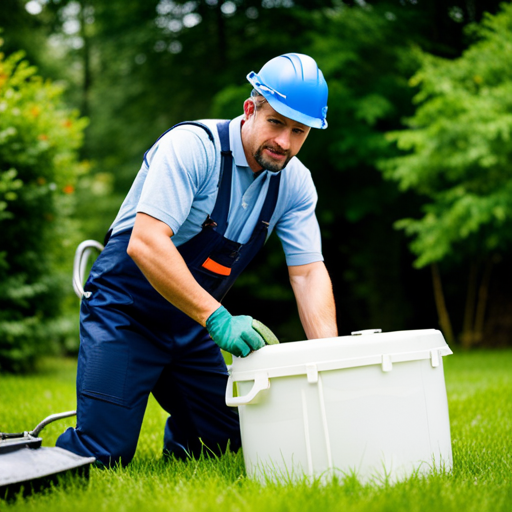
Clogged drainfields can be a frustrating and costly problem for homeowners. When wastewater from your septic system fails to properly drain into the soil, it can lead to unpleasant odors, sewage backups, and even potential damage to your property. While it may be tempting to immediately call a professional, understanding the causes of a clogged drainfield and learning some troubleshooting tips can help you save time and money. One of the most common objections homeowners may have when it comes to clearing a clogged drainfield is the belief that it requires expensive professional assistance. However, with the right knowledge and tools, many drainfield clogs can be resolved without the need for professional help. In this article, we will explore the causes of a clogged drainfield, discuss regular maintenance practices to prevent clogs, and provide DIY solutions for clearing a clogged drainfield. By understanding the underlying issues and learning effective troubleshooting tips, you can take control of your drainfield’s health and minimize the chances of future clogs. Whether you are a homeowner looking to solve a current issue or simply seeking to educate yourself on drainfield maintenance, this article will provide you with the information you need to effectively clear a clogged drainfield and restore proper functioning to your septic system. Understanding the Causes of a Clogged Drainfield The intricate network of pipes in a drainfield, akin to the delicate veins in a human body, can become obstructed due to various factors, leading to the need for a comprehensive understanding of the causes behind a clogged drainfield. One of the most common drainfield problems is the accumulation of solid waste...
Septic system backups can be a major inconvenience and cause significant damage to both the septic system and the surrounding environment. It is crucial to address these backups promptly and effectively to prevent further complications. This article discusses important fixes for septic system backups, providing technical and detailed information on how to resolve this issue. Regular inspection and pumping are essential for maintaining a healthy septic system and preventing backups. By scheduling regular inspections, homeowners can identify potential problems early on and take necessary actions to avoid backups. Additionally, regular pumping removes accumulated solids from the septic tank, preventing clogs and backups. Proper waste disposal is another crucial aspect to consider. It is important to educate homeowners about the appropriate methods of waste disposal, such as avoiding flushing non-biodegradable items down the toilet or drain. These items can cause blockages in the septic system, leading to backups. By promoting responsible waste disposal practices, homeowners can contribute to the prevention of septic system backups. Key Takeaways – Regular inspection and pumping are necessary to prevent septic system backups.– Proper waste disposal and avoiding flushing non-biodegradable items are important to avoid blockages and backups.– Regular maintenance helps identify and address potential issues with the septic system.– Professional assistance is needed for safe and efficient pumping of the septic tank. Regular Inspection and Pumping Regular inspection and pumping of septic systems is crucial for preventing backups and ensuring the proper functioning of the system. Regular maintenance is essential to avoid septic system backups, as it helps identify and address any potential issues before they escalate into major problems. By conducting routine inspections,...
Drainfields are an essential component of septic systems, responsible for the safe disposal of wastewater from residential and commercial properties. Choosing the best drainfield design for your property is crucial to ensure efficient and effective wastewater treatment. This article aims to provide an in-depth analysis of the factors that need to be considered when determining the optimal drainfield design, including property size, soil type, and drainage capabilities. When it comes to drainfield design, property size and space requirements play a significant role. The size of the property will determine the available area for the drainfield installation, while space requirements will dictate the layout and configuration of the drainfield system. Evaluating the soil type and its drainage capabilities is another vital aspect to consider. Different soil types have varying levels of permeability, which affects how well the soil can absorb and treat the wastewater. An accurate assessment of the soil’s ability to drain is crucial to prevent system failure and potential environmental contamination. Furthermore, the number of trenches and pipes needed for the drainfield should be carefully determined. This is based on factors such as the property’s wastewater output, soil characteristics, and local regulations. Exploring different drainfield design options is essential to ensure the most suitable design for your property. This may involve considering alternative technologies, such as drip irrigation systems or mound systems, depending on the specific site conditions and requirements. By thoroughly researching and analyzing these factors, property owners can make an informed decision about the best drainfield design for their property, ensuring optimal wastewater treatment and environmental protection. Key Takeaways – Drainfield design is influenced by factors...
Drainfields play a vital role in the proper functioning of septic systems, ensuring the safe disposal of wastewater and preventing environmental contamination. However, the effectiveness of drainfields heavily relies on the design and construction methods employed, particularly when it comes to tailoring these designs to suit specific soil conditions. Understanding the soil permeability and its relationship with drainfield performance is crucial in achieving optimal functionality and longevity of the septic system. Soil permeability refers to the ability of soil to allow water to pass through it. Different soil types possess varying permeability characteristics, which directly impact the efficiency of a drainfield. Factors such as soil texture, structure, and composition influence the rate at which water can infiltrate into the soil. By tailoring drainfield designs to specific soil conditions, septic system professionals can optimize the flow of wastewater through the drainfield and ensure proper treatment and disposal. This not only enhances the overall performance of the septic system but also minimizes the risk of system failure and potential environmental hazards. In this article, we will explore the importance of tailoring drainfield designs to soil conditions, with a focus on designing for clay soils and sandy soils. By understanding the relationship between soil permeability and drainfield design, septic system professionals can implement strategies to enhance efficiency, longevity, and ultimately, the sustainable functioning of septic systems. Key Takeaways – Understanding soil permeability is crucial for optimal drainfield functionality and longevity.– Tailoring drainfield designs to specific soil conditions optimizes wastewater flow and treatment.– Different soil types have varying permeability characteristics that impact drainfield efficiency.– Regular maintenance and vegetation management are important for proper...
Drainfield design options are critical components of wastewater treatment systems, as they play a crucial role in the proper disposal and treatment of effluent. Understanding the pros and cons of different drainfield design options is essential for homeowners, builders, and wastewater professionals alike. This article aims to provide an objective and analytical overview of various drainfield design options, including the traditional gravel trench system, chamber system, mound system, pressure distribution system, and advanced treatment systems, to help readers make informed decisions about their wastewater treatment needs. The traditional gravel trench system is one of the most common and widely used drainfield design options. It consists of a series of perforated pipes surrounded by gravel in a trench. This design allows for the efficient distribution of effluent and promotes natural filtration and microbial activity. However, it may require a large amount of space and may not be suitable for sites with high water tables or poor soil conditions. On the other hand, the chamber system offers a more compact and versatile alternative. It utilizes lightweight plastic chambers that provide a larger infiltrative surface area, allowing for better effluent distribution and increased treatment capacity. While it can be installed in a variety of soil conditions and is less prone to clogging, it may be more expensive and require professional installation. By exploring the pros and cons of different drainfield design options, individuals can make informed decisions that align with their specific needs and contribute to the overall sustainability and efficiency of their wastewater treatment systems. Traditional Gravel Trench System One interesting statistic regarding traditional gravel trench systems is that they have...
Efficient wastewater treatment is a pressing issue in today’s world, as the population continues to grow and strain on existing infrastructure increases. To address this challenge, researchers and engineers are constantly exploring innovative drainfield designs that can effectively treat wastewater while minimizing space requirements. These designs aim to optimize the use of available land, reduce the impact on the environment, and provide cost-effective solutions for wastewater treatment. One area of focus in exploring innovative drainfield designs is compactness and space-saving. Traditional drainfields can take up a significant amount of land, making them unsuitable for densely populated areas or areas with limited space. By developing compact designs, engineers can maximize the capacity of a drainfield within a smaller footprint, allowing for more efficient use of land resources. This not only addresses the issue of space constraints but also enables the treatment of wastewater in areas where conventional systems may not be feasible. Another aspect of innovative drainfield designs is the incorporation of enhanced filtration systems. Filtration plays a crucial role in wastewater treatment, as it removes contaminants and impurities before the water is discharged. By utilizing advanced filtration technologies, such as membrane filtration or biofiltration, engineers can improve the efficiency and effectiveness of wastewater treatment. These systems can remove a wide range of pollutants, including suspended solids, bacteria, and even trace chemicals. By implementing enhanced filtration systems in drainfield designs, engineers can ensure the production of high-quality treated water that meets stringent regulatory standards. Key Takeaways – Compact drainfield designs optimize land use and can be implemented in densely populated areas or areas with limited space.– Advanced filtration technologies, such...