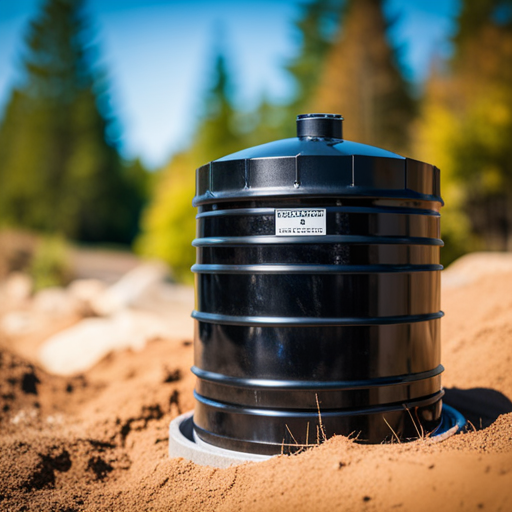
Septic system installation is a crucial process that requires careful planning and execution to ensure its proper functioning. However, many homeowners make common mistakes during this installation, which can lead to costly repairs and inconveniences in the future. In order to avoid these pitfalls, it is essential to have a thorough understanding of the installation process and the potential mistakes that can occur. The first step in avoiding common mistakes during septic system installation is properly assessing your property and needs. This involves conducting a soil analysis to determine the suitability of your soil for a septic system, as well as evaluating the size and layout of your property. Sizing the septic system appropriately is another critical factor to consider. A system that is too small for your household’s needs can lead to frequent backups and overflows, while an oversized system can be a waste of resources. Therefore, it is important to accurately estimate your water usage and waste production to determine the appropriate size for your septic system. By taking these precautions and avoiding common mistakes, you can ensure a smooth and successful septic system installation that will serve you well for years to come. Key Takeaways – Proper assessment of property characteristics and needs is crucial during septic system installation.– Conducting a soil analysis to determine soil suitability and treatment ability is important.– Accurately estimating water usage and waste production is necessary for sizing the septic system appropriately.– Choosing the right location for installation, considering distance from water sources and soil drainage, is crucial for system effectiveness. Properly Assessing Your Property and Needs During the septic system...
Septic systems play a crucial role in managing waste and ensuring the proper functioning of households that are not connected to a municipal sewer system. Installing a septic system is a complex process that requires careful planning, precise execution, and adherence to local regulations. This step-by-step guide aims to provide a comprehensive overview of the installation process, offering technical details and informative instructions to help homeowners or contractors successfully set up a septic system. Understanding the importance of a septic system is essential before delving into the installation process. A septic system serves as an on-site wastewater treatment system, safely disposing of household waste and preventing the contamination of groundwater and nearby bodies of water. It is a critical component for homes or buildings that are not connected to a public sewer system. By following the steps outlined in this guide, property owners can ensure the efficient functioning of their septic system, promoting a clean and healthy environment while avoiding potential health hazards and costly repairs. Understanding the Importance of a Septic System The proper functioning of a septic system is crucial for maintaining the cleanliness and hygiene of a property, as it ensures the effective disposal of wastewater and prevents contamination of the surrounding environment. Septic system maintenance plays a vital role in ensuring the optimal performance of the system. Regular inspection and pumping of the septic tank are necessary to prevent blockages and overflow of wastewater. Neglecting septic system maintenance can lead to costly repairs and potential health hazards. It is recommended to have the septic system inspected every three to five years to identify any issues...
Septic system installation is a crucial process for homeowners who are not connected to a municipal sewer system. It ensures the proper disposal of wastewater and prevents environmental contamination. In this article, we will provide an in-depth guide to septic system installation, offering a technical, analytical, and detailed approach to help homeowners navigate this complex process. For instance, consider the case of a hypothetical homeowner, John, who recently purchased a rural property and wants to install a septic system. John’s desire to create a safe and efficient wastewater disposal system aligns with the subconscious desire for belonging, as he seeks to establish a harmonious relationship with his new community. This article will provide John and others like him with the necessary knowledge and steps to successfully install a septic system, ensuring compliance with regulatory requirements and protecting the environment. Throughout this guide, we will cover various aspects of septic system installation, including property assessment, permit acquisition, system design, site preparation, and the actual installation and testing process. By following our detailed instructions and recommendations, homeowners can confidently navigate the intricacies of septic system installation and contribute to the overall well-being of their community and environment. So, let’s dive into this comprehensive guide and embark on the journey towards a successful septic system installation. Key Takeaways – Meticulous planning and obtaining necessary permits and approvals are essential for a smooth septic system installation process.– Conducting a soil evaluation is crucial to determine the appropriate type and size of the septic system and ensure its functionality.– Regular maintenance, including pumping the septic tank and inspecting for damage or leaks, is necessary...
When it comes to choosing the correct septic tank size, there are several common mistakes that individuals often make. Underestimating wastewater production, not considering household size and water usage, and failing to account for additional factors can all lead to selecting a tank that is either too small or too large for the specific needs of a property. This article aims to provide a comprehensive guide on avoiding these mistakes and choosing the right septic tank size for your specific requirements. Underestimating wastewater production is a frequent error made by homeowners and property owners alike. It is crucial to have an accurate estimate of the amount of wastewater that will be generated on a daily basis to determine the appropriate tank size. This includes considering factors such as the number of occupants in the household, the frequency of water usage, and the types of activities that contribute to wastewater production. Failure to account for these variables can result in a septic tank that is overwhelmed and prone to backups and failures, or one that is too large and unnecessary for the actual wastewater production. By understanding and accurately estimating wastewater production, you can ensure that the septic tank size is correctly matched to the needs of your property, preventing costly issues in the future. Key Takeaways – Underestimating wastewater production can lead to selecting a tank that is too small, resulting in backups, clogs, and sewage spills.– Factors like household size, water usage, and activities contribute to wastewater production and should be considered when choosing a septic tank size.– Soil conditions and local regulations play a significant role in...
Did you know that nearly one-quarter of all homes in the United States rely on septic systems for their wastewater treatment? Septic tanks play a crucial role in managing household waste, ensuring that it is properly treated and disposed of. However, many homeowners may not be aware of the importance of sizing their septic tank appropriately. In this article, we will provide expert tips on how to determine the right size for your septic tank, taking into account factors such as household needs, soil composition, and groundwater levels. When it comes to sizing your septic tank, it is essential to consider various factors to ensure its effectiveness and longevity. Determining your household’s needs is the first step in this process. Factors such as the number of occupants, water usage, and the presence of garbage disposals can significantly impact the size of the tank required. Additionally, understanding the role of soil composition and groundwater levels is crucial. Soil composition affects the rate at which wastewater can be absorbed, while high groundwater levels can lead to system failure. By taking into account these factors, you can make an informed decision and choose the right size for your septic tank, ensuring its optimal performance. Factors to Consider When Sizing Your Septic Tank When determining the appropriate size for your septic tank, it is crucial to take into account various factors that can influence its overall capacity. The first factor to consider is the estimated daily wastewater flow from your household. This can be calculated by determining the number of bedrooms and occupants in the house, as well as the average water usage...
Septic tanks are the unsung heroes of our homes, silently working to dispose of our waste and keeping our properties clean and hygienic. However, determining the ideal septic tank capacity for your property requires careful consideration of various factors. This article aims to provide a comprehensive guide, using an academic and technical approach, to help you make an informed decision about the size of your septic tank. As you embark on the journey of determining the ideal septic tank capacity, several key factors need to be taken into account. Firstly, the number of occupants in your household plays a crucial role. Each individual contributes to the overall water usage and waste production, which directly impacts the septic tank’s capacity requirements. Moreover, the average water usage in your household also needs to be considered, as this determines the volume of wastewater that the septic tank will need to handle on a daily basis. By carefully analyzing these factors, you can ensure that the septic tank will be able to efficiently accommodate the waste generated by your household, preventing any potential issues in the future. Key Takeaways – Factors such as the number of occupants, water usage, and property size should be considered when determining the ideal septic tank capacity.– Improperly designed septic systems can lead to groundwater contamination and other negative consequences, emphasizing the importance of regular maintenance and inspections.– Future expansion or development plans should be taken into account to ensure the septic tank capacity can accommodate increased wastewater volume without compromising water quality.– Consultation with professionals, compliance with local regulations, and consideration of long-term sustainability are crucial in...