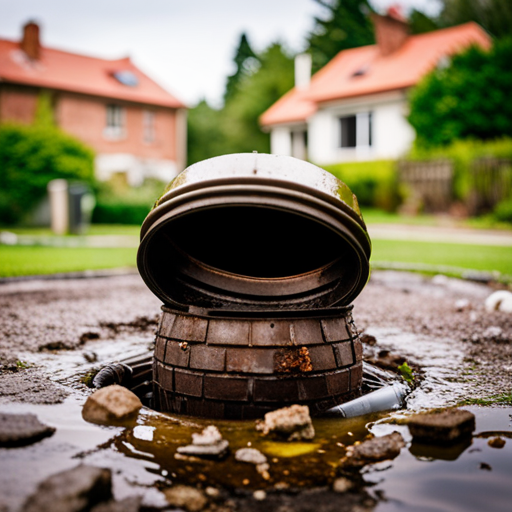
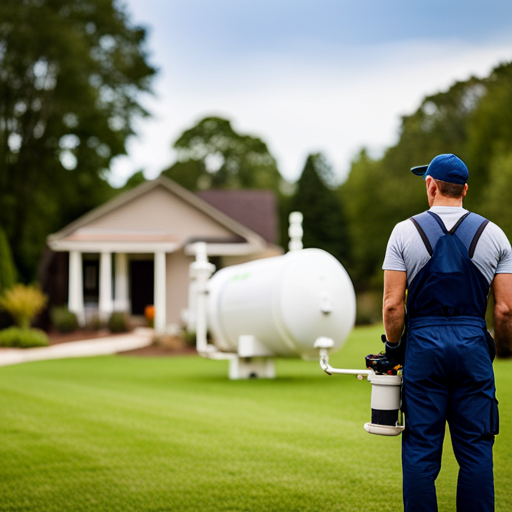
Septic tank pumping is a crucial maintenance task that is often overlooked or avoided by homeowners. However, the long-term effects of avoiding septic tank pumping can be detrimental to both the plumbing system and the overall health of the household. This article aims to explore the various consequences of neglecting septic tank pumping, focusing on blockages and sewage backups, health risks from bacteria and pathogens, damage to the septic tank, and the costly repairs and replacements that may arise as a result. One of the primary long-term effects of avoiding septic tank pumping is the occurrence of blockages and sewage backups. Over time, solids and sludge accumulate in the septic tank, causing it to fill up and eventually reach its capacity. When this happens, the excess waste has nowhere to go and can lead to clogs in the pipes and drainage system. This can result in sewage backups, where wastewater may flow back into the house through toilets, sinks, or other plumbing fixtures. These blockages and backups can cause significant inconvenience and discomfort for homeowners, as well as potential damage to the property. Furthermore, neglecting septic tank pumping can pose serious health risks to the household. Without regular pumping, the accumulation of waste in the septic tank creates an ideal breeding ground for bacteria and pathogens. These harmful microorganisms can contaminate the surrounding soil, groundwater, and even find their way into the household water supply. Exposure to these bacteria and pathogens can lead to a range of health issues, including gastrointestinal infections, respiratory problems, and skin irritations. Therefore, it is essential to prioritize septic tank pumping as a means...
Septic tank pumping may not be the most glamorous topic, but it is a crucial aspect of responsible homeownership. While the idea of a septic tank may seem off-putting to some, it serves an essential function in managing household wastewater. However, neglecting to pump your septic tank on a regular basis can lead to a range of dangerous consequences that extend beyond just a foul smell. In this article, we will explore the dangers of delayed septic tank pumping, from unpleasant odors and environmental contamination to health hazards and legal consequences. By understanding the risks associated with neglecting septic tank maintenance, homeowners can take the necessary steps to protect their health, their property, and the environment. When it comes to septic tank pumping, one of the immediate dangers of delay is the unpleasant odors that can permeate your home and surroundings. As wastewater accumulates in the septic tank, it starts decomposing, releasing foul-smelling gases such as hydrogen sulfide and methane. These gases can escape through the plumbing fixtures and vents, creating a pungent odor that lingers in the air. Not only is this odor incredibly unpleasant, but it can also have a significant impact on indoor air quality, making it uncomfortable for residents and potentially affecting their health. Additionally, the foul smell can seep into the yard, making it an unwelcome space for outdoor activities and gatherings. With these potential consequences in mind, it becomes clear that regular septic tank pumping is essential to maintain a fresh and healthy living environment. Key Takeaways – Delayed septic tank pumping can lead to unpleasant odors, environmental contamination, and soil pollution.– Neglecting...
Regular septic tank pumping is an essential aspect of maintaining the proper functioning and longevity of a septic system. Septic tanks are responsible for the treatment and disposal of household wastewater, and over time, solid waste accumulates, leading to potential issues such as blockages, backups, and foul odors. By adhering to a regular pumping schedule, homeowners can prevent these problems and protect their property from damage. Additionally, regular septic tank pumping helps maintain a healthy environment by preventing the contamination of groundwater and ensuring the overall well-being of both the household and the surrounding community. Proper septic tank maintenance is crucial in preventing blockages and backups. Over time, solid waste and other debris can accumulate in the tank, leading to clogs in the pipes and drainfield. This can result in wastewater backup into the house, causing inconvenience and potential health hazards. Regular pumping removes the accumulated waste, preventing blockages and ensuring the proper flow of wastewater through the system. By addressing this issue promptly, homeowners can avoid costly repairs and the need for extensive system replacements. Moreover, regular septic tank pumping eliminates foul odors that may arise from the decomposition of waste materials. By removing the buildup of solids, the tank remains cleaner and odor-free, providing a more pleasant environment for both homeowners and their neighbors. Key Takeaways – Regular septic tank pumping is crucial for maintaining the proper functioning and longevity of a septic system.– It helps prevent issues such as blockages, backups, and foul odors.– Regular pumping protects the property from damage and prevents costly repairs.– It contributes to a healthy environment by preventing groundwater contamination and...
Neglecting septic tank maintenance can have serious consequences that extend beyond just the inconvenience of a clogged toilet or sewage backup. It can lead to a range of health risks, contamination of groundwater and water sources, and environmental pollution with potential impacts on wildlife. These consequences highlight the importance of proper septic tank maintenance to ensure the well-being of both individuals and the surrounding environment. One of the immediate consequences of neglecting septic tank maintenance is the increased risk of clogged tanks and sewage backup. When a septic tank becomes clogged, it can result in toilets, sinks, and drains becoming slow or completely blocked. This can lead to significant disruptions in daily life and can be both frustrating and unsanitary. Additionally, sewage backup poses health risks as it exposes individuals to raw sewage, which can contain harmful bacteria and pathogens. These can cause various illnesses, including gastrointestinal infections, respiratory issues, skin infections, and even serious diseases such as hepatitis. Therefore, it is crucial to ensure regular maintenance of septic tanks to prevent these potential health hazards. Furthermore, neglecting septic tank maintenance can also have detrimental effects on the surrounding environment. When septic tanks are not properly maintained, they can leak and release untreated sewage into the ground. This can lead to the contamination of groundwater and nearby water sources, which are often used for drinking water supply. The presence of harmful bacteria, viruses, and chemicals in the water can pose serious health risks to humans and wildlife. Moreover, the environmental pollution caused by septic tank neglect can have adverse effects on the ecosystem, including the disruption of natural habitats...
Septic tank pumping is a crucial aspect of maintaining a healthy and functional septic system. Ignoring the regular pumping and maintenance of septic tanks can lead to a range of serious risks and consequences. This article aims to explore the potential dangers of neglecting septic tank pumping, highlighting the potential for sewage backups and overflows, reduction in tank capacity, health risks, property damage, and contamination of groundwater. One of the primary risks of ignoring septic tank pumping is the potential for sewage backups and overflows. When a septic tank becomes full and is not regularly pumped, solid waste and sewage can accumulate, leading to blockages in the pipes and drains. This can result in sewage backing up into the home or overflowing onto the property. Not only is this highly unpleasant and unsanitary, but it can also cause significant damage to the property and require costly repairs. In addition to sewage backups, neglecting septic tank pumping can also lead to a reduction in tank capacity. As solid waste and sludge build up in the tank, the available space for wastewater decreases. This means that the tank will fill up more quickly, requiring more frequent pumping. When the tank exceeds its capacity, it may not be able to effectively separate solids from liquids, leading to further issues such as clogged drain fields and decreased system efficiency. Regular pumping helps to maintain the tank’s capacity and prevent these problems from occurring. Key Takeaways – Neglecting septic tank pumping can lead to sewage backups, overflows, and property damage.– Lack of maintenance reduces tank efficiency, poses health risks, and contaminates water sources.– Ignoring...
Septic Tank Pumping: DIY or Professional Service – What’s Best for You? Maintaining a healthy septic system is crucial for the overall well-being of your home and the environment. Regular septic tank pumping is an essential part of this maintenance process, as it helps remove accumulated solids and prevents potential issues such as backups and system failures. However, when it comes to septic tank pumping, homeowners often face the dilemma of whether to tackle the task themselves or hire a professional service. In this article, we will explore the pros and cons of both options, providing you with the necessary information to make an informed decision that best suits your needs. When considering the option of DIY septic tank pumping, it is essential to weigh the advantages and disadvantages. On the one hand, opting for a DIY approach can save you money, as you won’t have to pay for professional services. Additionally, it allows you to have a hands-on understanding of your septic system, which can empower you to make informed decisions regarding its maintenance. However, it is crucial to acknowledge that DIY septic tank pumping requires specific knowledge, skills, and equipment. Without proper understanding and expertise, there is a risk of damaging the system or causing harm to yourself and the environment. It is also worth noting that DIY pumping may not be suitable for all homeowners, especially those with physical limitations or limited time availability. Key Takeaways – DIY septic tank pumping can save money, but lack of expertise can lead to system damage and environmental harm.– Professional septic tank pumping is more thorough and efficient, ensuring...