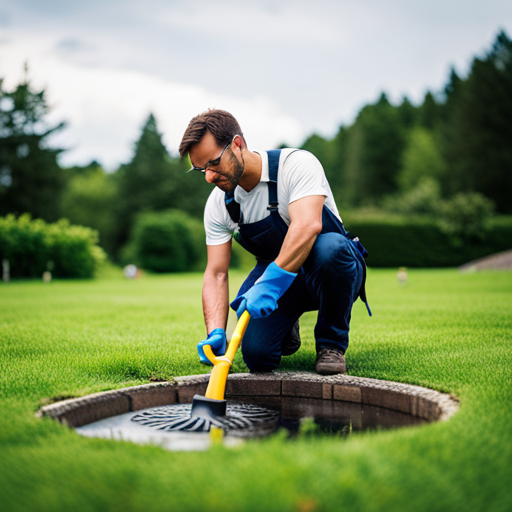
According to recent studies, the average lifespan of a drainfield is approximately 20 to 30 years. However, with proper maintenance and care, this lifespan can be significantly extended, ensuring the longevity and functionality of the drainfield system. Drainfield maintenance is crucial in preventing costly repairs and potential environmental hazards.
This article aims to provide an in-depth understanding of the key steps involved in drainfield maintenance, offering valuable insights for homeowners and property owners alike.
Regular inspections are a fundamental aspect of drainfield maintenance. These inspections not only help identify any potential issues or signs of deterioration but also allow for timely repairs and interventions. By detecting problems early on, homeowners can avoid costly repairs and potential system failures.
Additionally, proper water usage is crucial in maintaining the health of the drainfield. Excessive water use, such as running dishwashers and doing laundry in large quantities, can overload the system and lead to drainage issues. By adhering to recommended water usage guidelines, homeowners can ensure the longevity and optimal functioning of their drainfields.
Key Takeaways
– Regular inspections and maintenance are crucial for extending the lifespan of a drainfield.
– Proper water usage and conservation practices are necessary to prevent system overload and failure.
– Early detection of issues such as soil compaction and root intrusion can prevent costly repairs.
– Implementing erosion prevention techniques and maintaining proper surface grading contribute to the effectiveness and longevity of the septic system.
Regular Inspections
Regular inspections play a crucial role in the longevity of a drainfield, as they not only contribute to its overall health but also help prevent potential issues from escalating. Inspection frequency is an important aspect to consider when it comes to drainfield maintenance. It is recommended to have inspections conducted at least once a year to ensure that any problems are identified early on. This regularity allows for the early detection of any signs of trouble, such as clogs or leaks, which can be promptly addressed before they worsen.
By detecting issues early, costly repairs or even the need for a complete drainfield replacement can be avoided.
Early detection of drainfield problems is essential for maintaining its longevity. Through regular inspections, potential issues like soil compaction, root intrusion, or hydraulic overload can be identified before they cause significant damage.
Soil compaction, for example, can restrict the flow of wastewater through the drainfield, leading to inadequate treatment and potential system failure. By detecting this early, measures can be taken to address the issue, such as aerating the soil to improve its permeability.
Similarly, early detection of root intrusion allows for the timely removal of tree or shrub roots that may be encroaching upon the drainfield, preventing damage to pipes and ensuring the proper functioning of the system.
Overall, regular inspections are an integral part of drainfield maintenance as they enable the early detection and resolution of potential problems, ultimately contributing to the longevity and efficient operation of the drainfield.
Proper Water Usage
Optimizing water consumption practices is essential for ensuring the effective functioning and prolonged lifespan of the drainfield. Water conservation plays a crucial role in maintaining the health and efficiency of the drainfield system. Conserving water not only benefits the environment but also helps to prevent overloading the drainfield with excessive water, which can lead to system failure.
Implementing efficient irrigation techniques is one way to minimize water usage and protect the drainfield. Efficient irrigation practices involve using water in a controlled and measured manner. This can be achieved through the installation of irrigation systems that are equipped with sensors and timers to regulate water flow. By using these systems, water is distributed evenly and only when necessary, thus avoiding the risk of overwatering.
Additionally, employing drip irrigation methods can further enhance water conservation efforts. Drip irrigation delivers water directly to the roots of plants, minimizing evaporation and ensuring that water is used efficiently.
By adopting these water-saving techniques, homeowners can reduce the strain on the drainfield and extend its lifespan while also contributing to sustainable water management practices.
Regular Pumping
To ensure the effective functioning and prolonged lifespan of the drainfield, it is crucial to adhere to a regular pumping schedule.
Drainfield maintenance is an essential aspect of septic system care, and regular pumping plays a significant role in its overall health.
Regular pumping involves removing the accumulated sludge and scum from the septic tank, which prevents these substances from entering the drainfield and causing blockages or system failure.
The benefits of regular pumping cannot be overstated. By removing the solid waste and excess liquid from the septic tank, regular pumping helps maintain a balanced microbial ecosystem within the drainfield.
This allows for efficient breakdown of organic matter and minimizes the risk of clogs and backups. Moreover, regular pumping prevents the drainfield from becoming overloaded with solids, which can lead to the seepage of untreated wastewater into the surrounding soil and groundwater, posing a threat to public health and the environment.
Recognizing the signs of a full drainfield is crucial in preventing system failure. Indications of a full drainfield include slow-draining sinks and toilets, gurgling sounds from plumbing fixtures, foul odors in the vicinity of the septic system, and the presence of sewage backups.
If any of these signs are observed, immediate action should be taken to have the drainfield pumped by a professional. Professional pumping is vital as it ensures thorough removal of the accumulated waste and guarantees adherence to local regulations and environmental standards.
Additionally, professionals possess the expertise and equipment necessary to perform the task safely and efficiently, minimizing the risk of damage to the septic system.
Regular pumping, carried out by professionals, is an indispensable component of drainfield maintenance that promotes the longevity and optimal performance of the entire septic system.
Avoidance of Harmful Chemicals
One important aspect of septic system care involves avoiding the use of harmful chemicals, which can negatively impact the overall health and functioning of the system. Septic systems are designed to naturally break down and treat wastewater, relying on a delicate balance of bacteria and enzymes.
The use of harmful chemicals such as bleach, drain cleaners, and certain household cleaners can disrupt this balance and harm the beneficial bacteria in the system. This can lead to a reduction in the system’s ability to effectively treat wastewater, resulting in potential backups, odors, and even system failure.
To maintain the longevity of the drainfield and ensure its proper functioning, it is crucial to opt for eco-friendly alternatives and practice responsible septic system care.
When it comes to septic system care, eco-friendly alternatives to harmful chemicals should be prioritized. There are several natural and biodegradable cleaning products available in the market that can effectively clean without harming the septic system. These products are formulated to be septic-safe, meaning they are designed to not disrupt the microbial balance in the system.
Additionally, practicing responsible septic system care involves being mindful of what goes down the drain. Avoiding the disposal of non-biodegradable items, such as diapers, sanitary napkins, and cigarette butts, is essential to prevent clogging and damage to the drainfield.
By adopting these eco-friendly practices, homeowners can contribute to the longevity and proper functioning of their septic system, ensuring a healthier environment and reducing the need for costly repairs or replacements.
Proper Landscaping and Drainage
Proper landscaping and drainage play a crucial role in ensuring the efficient and effective functioning of a septic system. By implementing these measures, excess water accumulation and potential system overload can be prevented, despite arguments that the cost and effort required may outweigh the benefits.
One key aspect of proper landscaping for septic systems is erosion prevention. Erosion can occur when rainfall or excessive water runoff washes away the topsoil, causing the ground to become unstable and potentially leading to damage to the drainfield. To mitigate this risk, homeowners should consider planting grass or other vegetation that has strong root systems, as these can help stabilize the soil and prevent erosion. Additionally, using mulch or gravel in areas prone to erosion can provide an extra layer of protection against water runoff.
Surface grading is another important component of proper landscaping for septic systems. The land surrounding the drainfield should be graded in a way that allows water to flow away from the system, rather than pooling around it. This can be achieved by creating gentle slopes or using swales to divert water away from the drainfield. It is also important to avoid planting trees or large shrubs near the drainfield, as their roots can potentially infiltrate the septic system and cause damage.
By maintaining proper surface grading, homeowners can ensure that excess water is directed away from the drainfield, reducing the risk of system overload and potential failure.
Proper landscaping and drainage are essential for the longevity and effectiveness of a septic system. Implementing erosion prevention techniques and maintaining proper surface grading can help prevent excess water accumulation and potential system overload. Although there may be concerns regarding the cost and effort required for these measures, the long-term benefits of a well-functioning septic system far outweigh the initial investment. By incorporating these practices, homeowners can ensure the efficient operation of their septic system and contribute to the overall health and longevity of their drainfield.
Frequently Asked Questions
What are the signs that indicate a drainfield is in need of repair or maintenance?
Common signs of drainfield issues include slow draining fixtures, sewage odors, standing water, and lush vegetation. Regular maintenance is important to prevent costly repairs and ensure the longevity of the drainfield system.
Is it necessary to hire a professional for drainfield maintenance, or can homeowners perform the necessary tasks themselves?
DIY drainfield maintenance may seem feasible, but it fails to match the expertise of professionals. The benefits of professional drainfield maintenance include thorough inspections, precise repairs, and the use of specialized equipment, ensuring optimal functioning and longevity.
How often should a drainfield be inspected to ensure its longevity?
Regular drainfield inspections are essential for ensuring its longevity. Homeowners have the responsibility to schedule these inspections at least once every three years. This frequency allows for timely identification and resolution of any issues that may arise, preventing costly repairs in the future.
Are there any specific water conservation measures that can help prolong the lifespan of a drainfield?
Water conservation benefits the lifespan of a drainfield by reducing the amount of wastewater entering the system. Techniques such as using low-flow fixtures, fixing leaks promptly, and practicing responsible water usage contribute to the preservation of drainfield functionality.
Can the use of certain septic tank additives or bacterial treatments help prevent drainfield issues?
Septic tank additives and bacterial treatments can potentially help prevent drainfield issues by promoting the growth of beneficial bacteria that aid in the breakdown of solids. However, further research is needed to determine their effectiveness and potential side effects.