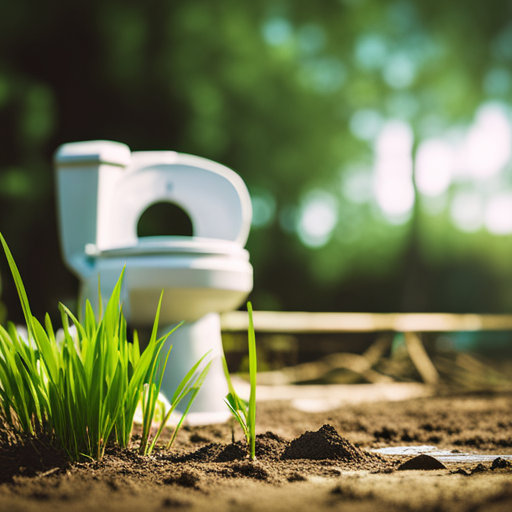
Eco-Friendly Septic Solutions: A Closer Look at Alternative Systems
In today’s world, where environmental consciousness is becoming increasingly important, the need for eco-friendly septic solutions has never been greater. Traditional septic systems, while effective at treating wastewater, often have negative impacts on the environment. From the release of harmful chemicals into the soil and water sources to the depletion of natural resources, these systems pose significant challenges.
As a result, alternative septic systems have emerged as viable options that not only address these environmental concerns but also offer a range of benefits. This article takes a closer look at these alternative systems, providing an objective and research-based overview of their advanced treatment methods, such as composting toilets, and the advantages they offer in terms of sustainability and resource conservation.
Alternative septic systems, also known as eco-friendly septic solutions, have gained attention as a promising way to mitigate the negative impacts of traditional systems. These systems employ advanced treatment methods to treat wastewater effectively while minimizing environmental harm. One notable example is composting toilets, which are designed to turn waste into compost through a natural decomposition process. By harnessing the power of microorganisms, these toilets break down organic matter, eliminating the need for water-intensive flushing and reducing the release of harmful substances into the environment.
The benefits of eco-friendly septic solutions extend beyond environmental conservation. By choosing alternative systems, homeowners can significantly reduce their water consumption and contribute to overall resource conservation. Additionally, these systems often require less maintenance and have a longer lifespan compared to traditional septic systems.
This article aims to provide a comprehensive overview of different alternative septic systems available, helping homeowners make informed decisions about choosing the right system for their needs. Furthermore, it will explore the essential maintenance and care practices necessary to ensure the optimal functioning of these eco-friendly septic systems.
By delving into the world of alternative septic systems, this article aims to empower readers with the knowledge needed to make sustainable choices and contribute to a greener future.
Key Takeaways
– Composting toilets turn waste into compost through natural decomposition, conserving water resources and eliminating the need for centralized sewage systems.
– Eco-friendly septic solutions reduce water consumption, require less maintenance, and minimize environmental impact.
– Advanced treatment systems offer enhanced removal of contaminants, reducing strain on water treatment facilities.
– Regular monitoring, maintenance, and professional inspections are crucial for the longevity and effectiveness of eco-friendly septic systems.
Advanced Treatment Systems
Advanced treatment systems are innovative solutions that offer a more environmentally friendly approach to wastewater management, promising enhanced removal of contaminants and a reduction in the overall ecological impact of conventional septic systems.
These systems utilize advanced treatment technologies that go beyond the capabilities of traditional septic systems, ensuring a higher level of purification before the effluent is discharged into the environment.
By incorporating processes such as biological treatment, ultraviolet disinfection, and advanced filtration techniques, these systems can effectively remove a wide range of pollutants, including nutrients, pathogens, and pharmaceuticals.
In addition to their superior treatment capabilities, advanced treatment systems also play a crucial role in meeting septic system regulations set by environmental agencies.
These regulations aim to protect public health and the environment by establishing standards for the design, installation, and operation of septic systems.
By adopting these innovative technologies, homeowners and businesses can ensure compliance with these regulations while minimizing their ecological footprint.
Moreover, the use of advanced treatment systems can also contribute to the conservation of water resources by treating wastewater to a quality suitable for reuse in irrigation or other non-potable applications.
Thus, these systems not only provide a more sustainable solution for wastewater management but also align with the global efforts towards water conservation and sustainable development.
Composting Toilets: Turning Waste into Compost
Composting toilets transform human waste into nutrient-rich compost, offering a sustainable and environmentally conscious method of waste management. These toilets utilize a combination of aerobic decomposition and controlled ventilation to break down organic waste.
The process starts with separating urine and feces to prevent odor and facilitate the composting process. The solid waste is mixed with organic bulking agents such as sawdust or coconut coir, which help maintain the right moisture and carbon-to-nitrogen ratio for efficient composting.
Composting toilets are an innovative toilet technology that provides a sustainable sanitation solution. They offer several benefits compared to traditional flush toilets. Firstly, they require no water for flushing, which conserves water resources and reduces the strain on water treatment facilities. Secondly, they eliminate the need for a centralized sewage system, making them suitable for remote areas or regions with limited access to water and infrastructure.
Additionally, the resulting compost can be safely used as fertilizer for plants, closing the nutrient loop and reducing the need for synthetic fertilizers. Composting toilets are a promising solution for sustainable waste management, promoting a more environmentally conscious approach to sanitation.
Benefits of Eco-Friendly Septic Solutions
One significant advantage of environmentally conscious waste management methods is their potential to reduce strain on water treatment facilities and conserve water resources. Traditional septic systems rely on water to transport waste through the pipes and into the sewage system. This can put a heavy burden on water treatment facilities, especially in areas with high population density.
In contrast, eco-friendly septic solutions such as composting toilets or alternative on-site wastewater treatment systems require little to no water for waste disposal. Instead, these systems utilize natural processes to break down and treat waste, reducing the amount of water needed for sewage treatment. By reducing the strain on water treatment facilities, eco-friendly septic solutions can help to ensure the availability of clean water resources for future generations.
In addition to their positive environmental impact, eco-friendly septic solutions can also be cost-effective. Traditional septic systems often require regular maintenance, such as periodic pumping and inspection, which can be costly over time. On the other hand, alternative systems such as composting toilets or constructed wetlands typically have lower maintenance requirements and can be more cost-effective in the long run.
Moreover, some eco-friendly septic solutions, such as composting toilets, can produce nutrient-rich compost that can be used as a valuable soil amendment. This not only reduces the need for chemical fertilizers but also provides a potential source of income for homeowners. Therefore, by considering the environmental impact and cost effectiveness, eco-friendly septic solutions offer a promising alternative to traditional septic systems.
Choosing the Right Alternative System for Your Home
When considering the appropriate system for your home, it is crucial to carefully evaluate the available options to ensure optimal waste management.
One important factor to consider is the cost comparison between different alternative systems. While eco-friendly septic solutions may have a higher upfront cost compared to traditional systems, they often prove to be more cost-effective in the long run. Alternative systems such as aerobic treatment units or constructed wetlands may require more investment initially, but they can significantly reduce maintenance and repair costs over time. Additionally, some alternative systems may be eligible for tax incentives or rebates, further reducing the overall cost burden.
Another key consideration when choosing the right alternative system is the environmental impact. Traditional septic systems can contribute to groundwater contamination and the release of harmful pollutants into nearby water bodies. In contrast, eco-friendly septic solutions aim to minimize these negative effects and promote sustainable waste management. For example, advanced treatment units use innovative technologies to effectively treat wastewater, removing a higher percentage of contaminants compared to conventional systems. Constructed wetlands mimic natural processes and provide a habitat for beneficial bacteria and plants that help purify the water.
By opting for an eco-friendly septic system, homeowners can make a positive impact on the environment by reducing pollution and preserving water quality.
When choosing the right alternative system for your home, it is essential to consider both the cost comparison and environmental impact. While eco-friendly septic solutions may require a higher initial investment, they often prove to be more cost-effective in the long run and can help reduce maintenance and repair costs. Moreover, these systems offer the added benefit of minimizing environmental impact by promoting sustainable waste management practices.
By carefully evaluating the available options and considering these factors, homeowners can make an informed decision that benefits both their household and the environment.
Maintaining and Caring for Eco-Friendly Septic Systems
Maintaining and caring for environmentally-conscious septic systems necessitates regular monitoring and adherence to recommended maintenance practices. Proper septic tank maintenance is essential to ensure the effective and efficient functioning of the system.
Regular inspections should be conducted by a professional to check for any signs of damage or leaks. This can help identify potential issues before they escalate into costly repairs or system failures. Additionally, routine pumping of the septic tank is crucial to remove accumulated solids and prevent them from flowing into the drain field, which can lead to clogging and system malfunction.
Septic system troubleshooting is another important aspect of maintaining eco-friendly septic systems. In the event of any problems or malfunctions, it is necessary to identify the root cause and take appropriate actions. This may involve inspecting the drain field for signs of saturation, checking for blockages in the pipelines, or assessing the performance of the septic tank. Engaging the services of a professional septic system technician can greatly aid in troubleshooting and resolving any issues.
It is also important to educate oneself about the do’s and don’ts of septic system maintenance to prevent common problems, such as flushing non-biodegradable items or excessive water usage, which can strain the system and lead to its premature failure. By following recommended maintenance practices and promptly addressing any concerns, homeowners can ensure the longevity and effectiveness of their eco-friendly septic systems.
Frequently Asked Questions
How much does an advanced treatment system cost compared to a traditional septic system?
An advanced treatment system can cost significantly more than a traditional septic system. For example, a case study found that the installation of an advanced treatment system cost $15,000 more than a traditional system, evoking concern about affordability. The benefits analysis, however, reveals that the advanced system can provide long-term cost savings through reduced maintenance and environmental benefits.
Are there any government incentives or tax credits available for installing eco-friendly septic solutions?
Government incentives and tax credits are available for installing eco-friendly septic solutions. These incentives aim to promote the adoption of sustainable practices and can help reduce the financial burden of implementing alternative systems.
Can composting toilets be used in all types of homes, or are there specific requirements?
Composting toilets can be used in various types of homes, but specific installation requirements should be considered. Residential suitability, cost comparison, government incentives, maintenance frequency, and regional restrictions are crucial factors to evaluate.
How often do alternative septic systems need to be pumped or serviced?
The maintenance requirements and cost comparison of alternative septic systems vary depending on the specific system chosen. Regular pumping and servicing are necessary to ensure proper functioning and prevent any potential issues.
Are there any limitations or restrictions on the use of alternative septic systems in certain regions or states?
Limitations by region and state regulations can impact the use of alternative septic systems. It is important to consider local laws and regulations to ensure compliance and proper installation of these eco-friendly solutions.