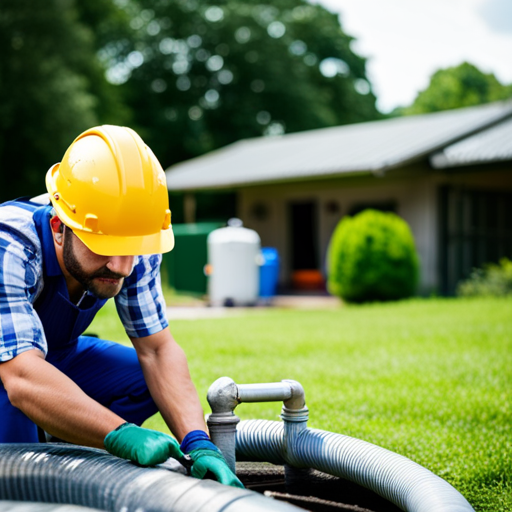
Septic tank pumping is a crucial aspect of maintaining a healthy septic system. Regular maintenance of septic tanks is essential to prevent costly repairs and ensure the efficient functioning of the system.
This article aims to unveil the secrets of efficient septic tank pumping by providing valuable information on the importance of regular maintenance, signs that indicate the need for pumping, choosing the right professional, and the steps involved in proper pumping.
Maintaining a septic system is often overlooked, but neglecting this crucial aspect can lead to severe consequences. Regular septic tank maintenance is important to prevent the accumulation of solid waste and ensure the proper flow of wastewater. By adhering to a regular pumping schedule, homeowners can avoid costly repairs and extend the lifespan of their septic system.
Recognizing the signs that indicate the need for septic tank pumping is crucial in preventing potential issues. Signs such as slow drains, foul odors, gurgling sounds, or sewage backups are clear indicators that the septic tank needs pumping. By being aware of these signs and acting promptly, homeowners can prevent further damage to their septic system and maintain a healthy living environment.
Choosing the right professional for septic tank pumping is essential to ensure the job is done efficiently and effectively. Hiring a licensed and experienced septic tank professional guarantees that the pumping process adheres to industry standards and regulations. Professionals have the necessary equipment and expertise to safely handle the pumping process, minimizing the risk of damage to the tank or surrounding environment.
Understanding the steps involved in proper septic tank pumping is crucial for homeowners to make informed decisions and maintain a healthy septic system. This article will provide a detailed guide on the pumping process, including the preparation, pumping, and post-pumping procedures. By following these steps, homeowners can ensure the efficient removal of solid waste and maintain the optimal functioning of their septic system.
In addition to septic tank pumping, this article will also provide valuable tips for maintaining a healthy septic system. These tips will include practices such as regular inspections, proper waste disposal, water conservation, and the use of septic-friendly products. By implementing these practices, homeowners can prevent issues, prolong the lifespan of their septic system, and promote a sustainable living environment.
In conclusion, this article aims to unveil the secrets of efficient septic tank pumping by providing valuable information on the importance of regular maintenance, signs that indicate the need for pumping, choosing the right professional, and the steps involved in proper pumping. By following these guidelines and implementing the recommended practices, homeowners can ensure the longevity and optimal performance of their septic system.
Key Takeaways
– Regular septic tank pumping is essential for maintaining a healthy septic system and preventing costly repairs.
– Signs that indicate the need for pumping include slow drains, foul odors, gurgling sounds, and sewage backups.
– Choosing a skilled and reputable professional is important for efficient and effective septic tank pumping.
– Regular maintenance, including inspection, cleaning, and monitoring septic tank additives, helps prevent clogging, overflow, and system failure.
Importance of Regular Septic Tank Maintenance
Regular septic tank maintenance is essential for ensuring the longevity and proper functioning of the system. Studies have indicated that failure to pump a septic tank at least every three to five years can result in a 70% reduction in its overall lifespan. Neglecting regular maintenance can lead to various common septic tank problems such as clogging, overflow, and system failure.
One of the benefits of regular septic tank maintenance is the prevention of clogging. Over time, solid waste and sludge accumulate in the tank, reducing its capacity to hold wastewater. This can cause clogs in the drainage field and lead to backups and unpleasant odors. By regularly pumping the septic tank, these solids are removed, preventing clogs and ensuring the proper flow of wastewater.
Another important aspect of regular maintenance is the identification and prevention of potential issues. During the pumping process, professionals can inspect the tank for any signs of damage, leaks, or cracks. Identifying these problems early on allows for prompt repairs, preventing more significant issues and costly repairs in the future.
Additionally, regular maintenance provides an opportunity to assess the effectiveness of septic tank additives, which are commonly used to enhance bacterial activity and improve the breakdown of waste. By monitoring the performance of these additives, homeowners can make informed decisions about their usage and effectiveness.
Regular septic tank maintenance is crucial for the longevity and efficient operation of the system. It helps prevent clogging and identifies potential issues early on, reducing the risk of system failure. By incorporating septic tank additives and addressing common problems, homeowners can ensure the proper functioning of their septic system and avoid costly repairs in the long run.
Signs that Your Septic Tank Needs Pumping
Occasional maintenance is crucial for ensuring the proper functioning of the septic system, and recognizing common indicators is essential to timely septic tank maintenance. Regular septic tank pumping is necessary to prevent the accumulation of solid waste and sludge that can clog the system and lead to costly repairs.
One common sign that your septic tank needs pumping is slow drainage in your sinks, toilets, or showers. If you notice that water is taking longer to drain or if you experience frequent backups, it may indicate that your septic tank is full and needs to be pumped.
Another indicator is the presence of foul odors in and around your home. A strong, persistent smell of sewage could be a sign that your septic tank is overflowing.
Additionally, if you notice lush, green patches of grass or pooling water in your yard, it might be a sign of a leaking septic tank. These signs should not be ignored, as they can indicate potential problems with your septic system that require immediate attention.
To avoid these common septic tank problems, there are several septic tank maintenance tips that homeowners can follow.
First, it is important to have your septic tank pumped regularly by a professional. The frequency of pumping depends on the size of your tank and the number of people in your household, but a general guideline is to pump every 3-5 years. Regular pumping helps prevent the accumulation of solid waste and sludge, ensuring the optimal performance of your septic system.
Additionally, it is crucial to avoid flushing or pouring any non-biodegradable items down the drain, such as paper towels, diapers, or chemicals. These substances can clog the system and lead to costly repairs.
Lastly, conserving water usage can also help maintain the health of your septic system. Excessive water usage can overload the septic tank and disrupt its natural bacteria balance, leading to potential issues.
By following these septic tank maintenance tips and recognizing the signs that your septic tank needs pumping, you can ensure the efficient and long-lasting operation of your septic system.
Choosing the Right Professional for Septic Tank Pumping
To ensure the optimal functioning of your septic system, it is essential to select a skilled and reputable professional who specializes in the maintenance and servicing of septic tanks. One of the crucial aspects of septic tank maintenance is regular inspection. A professional septic tank pumper will conduct a thorough inspection of your septic system to identify any potential issues or signs that indicate the need for pumping.
This inspection involves examining the tank’s level of sludge and scum accumulation, checking for any leaks or cracks, and assessing the overall condition of the system. By choosing the right professional for septic tank pumping, you can be confident that they will perform a comprehensive inspection to determine the appropriate time for pumping and prevent any potential problems that may arise from neglecting regular maintenance.
Apart from inspection, another important aspect of septic tank maintenance is cleaning. Over time, solid waste and sludge accumulate in the septic tank, reducing its capacity and efficiency. A skilled professional will not only pump out the accumulated waste but also thoroughly clean the tank to ensure its optimal performance. They will use specialized equipment and techniques to remove all the accumulated sludge and debris, preventing clogs and backups in the system.
By selecting a reputable professional for septic tank pumping, you can ensure that they have the expertise and knowledge to perform a thorough cleaning, eliminating any potential sources of blockages or malfunctions in your septic system.
Overall, choosing the right professional for septic tank pumping is crucial for maintaining the optimal performance of your septic system. Through regular inspection and cleaning, a skilled and reputable professional can prevent potential issues, prolong the lifespan of your septic tank, and ensure that your system operates efficiently. Therefore, it is essential to do thorough research, read reviews, and seek recommendations to find a professional who specializes in septic tank maintenance, inspection, and cleaning.
Steps for Proper Septic Tank Pumping
One crucial step in maintaining a healthy septic system is ensuring proper maintenance and cleaning procedures are followed. This includes regular septic tank pumping to remove accumulated solids and prevent clogging or overflow.
The septic tank pumping process involves several steps to ensure the task is done efficiently and effectively. Firstly, a professional septic tank pumper will locate and uncover the access points of the septic tank. This may require digging or removing any obstacles that may hinder access.
Once the access points are clear, the pumper will insert a suction hose into the tank to extract the sludge and scum layers. The suction truck then pumps the waste material into a containment tank for proper disposal.
The frequency of septic tank pumping depends on several factors such as the size of the tank, the number of people in the household, and the amount of wastewater generated. On average, septic tanks should be pumped every 3 to 5 years, although this can vary. Larger tanks and households with more occupants may require more frequent pumping.
It is essential to follow the recommended pumping frequency to prevent the accumulation of solids, which can lead to system failure and costly repairs. Regular pumping not only removes solids but also allows for inspection of the tank for any signs of damage or leaks.
By adhering to the proper septic tank pumping frequency, homeowners can ensure the longevity and functionality of their septic system.
Tips for Maintaining a Healthy Septic System
Regular maintenance and proper care are essential for preserving the health and functionality of a septic system, ensuring its longevity and preventing costly repairs.
One important aspect of maintaining a healthy septic system is regular septic tank inspection. This involves hiring a professional to inspect the tank and its components on a regular basis, typically every 3 to 5 years. During the inspection, the professional will check for any signs of damage or deterioration, such as cracks, leaks, or corrosion. They will also assess the level of sludge and scum buildup in the tank and determine if it needs to be pumped. By identifying and addressing any issues early on, septic tank inspection can help prevent major problems and extend the lifespan of the system.
Another important tip for maintaining a healthy septic system is to be cautious when using septic tank additives. These additives are marketed as products that enhance the performance of septic systems by promoting the breakdown of waste and reducing odors. However, there is limited scientific evidence to support their effectiveness. In fact, some additives may even be harmful to septic systems by disrupting the natural balance of bacteria in the tank. It is recommended to consult with a professional before using any septic tank additives and to follow their guidance.
Ultimately, the best way to maintain a healthy septic system is to practice proper waste disposal habits, such as avoiding flushing non-biodegradable items and minimizing the use of harsh chemicals.
Frequently Asked Questions
How often should a septic tank be pumped?
Septic tank maintenance frequency depends on factors such as household size and water usage. Signs of a full septic tank include slow drainage, foul odors, and sewage backups. Regular pumping every 3-5 years is recommended to prevent costly repairs and ensure proper functioning.
Can I pump my septic tank myself, or do I need to hire a professional?
DIY septic tank pumping requires knowledge of the system and proper equipment. Hiring a professional ensures expertise, proper disposal, and avoids potential damage. Consider cost, time, and safety when deciding between the two options.
How long does the septic tank pumping process usually take?
The septic tank pumping process typically takes 2-3 hours. The cost can range from $200 to $500, depending on factors such as tank size and location. Signs of a full septic tank include slow drains, foul odors, and sewage backup.
Are there any specific precautions or safety measures to consider during septic tank pumping?
Preventing accidents during septic tank pumping requires adherence to personal protective equipment (PPE) requirements. Wearing appropriate PPE, such as gloves, goggles, and respiratory masks, minimizes the risk of exposure to hazardous substances and ensures the safety of workers.
What are some common mistakes to avoid when maintaining a septic system?
Regular septic tank inspections are crucial to avoid common mistakes in septic system maintenance. Neglecting inspections can lead to issues like clogs, backups, and costly repairs. Stay proactive and ensure the longevity and efficiency of your septic system.