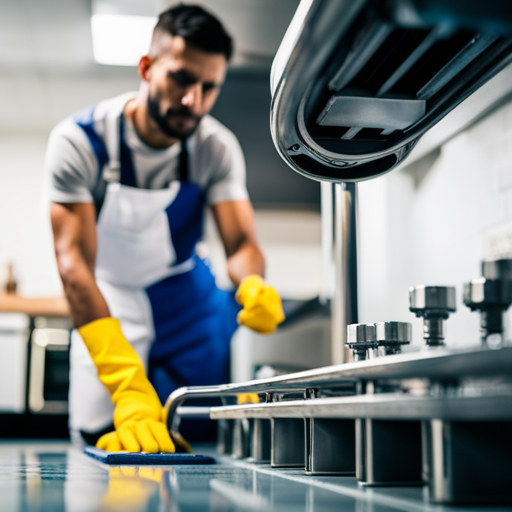
Grease traps are an essential component of commercial kitchens and food service establishments, serving as a critical line of defense against the buildup of grease and fats in plumbing systems. Without proper maintenance, these traps can quickly become clogged, leading to costly repairs and potential health code violations.
In this article, we will explore the key steps for preventing grease buildup and maintaining the efficiency of grease traps.
Picture this: you are sitting in your favorite restaurant, enjoying a delicious meal with friends and family. The atmosphere is warm and inviting, and the aroma of sizzling food fills the air. Little do you know, behind the scenes, a silent battle is being fought against a common enemy – grease buildup.
Grease traps are the unsung heroes of commercial kitchens, tirelessly working to prevent the accumulation of fats and oils that can wreak havoc on plumbing systems. While they may not be the most glamorous aspect of restaurant operations, the proper maintenance of grease traps is crucial for ensuring the smooth operation of any food service establishment.
In the following paragraphs, we will delve into the key steps that every restaurant owner or manager should take to prevent grease buildup and keep their grease traps in optimal condition.
Key Takeaways
– Regular cleaning and inspection of grease traps are crucial for their smooth operation and longevity.
– Proper installation of grease traps is essential for their effective function.
– Proper disposal of grease and food waste is important to maintain a clean and efficient drainage system and prevent environmental contamination.
– Hiring professional maintenance services can ensure efficient grease trap maintenance and reduce the risk of costly repairs or replacements.
Understanding the Function of a Grease Trap
The understanding of the function of a grease trap is crucial for effective grease trap maintenance and preventing grease buildup.
A grease trap, also known as a grease interceptor, is a plumbing device that is designed to capture and separate fats, oils, and grease (FOG) from wastewater before it enters the sewer system.
It works by allowing wastewater to flow through a series of baffles or filters, which trap the FOG while allowing the water to pass through.
The trapped FOG then solidifies and floats to the top of the trap, while the water continues to flow out of the trap.
Proper grease trap installation is essential for its effective function.
Grease traps are typically installed in commercial kitchens, restaurants, and other food service establishments where large amounts of FOG are generated.
They are often located near sinks, dishwashers, and other areas where FOG is likely to be present in the wastewater.
Grease trap regulations vary by jurisdiction, but they usually require regular inspection, cleaning, and maintenance of grease traps to prevent blockages in the sewer system.
By understanding the function of a grease trap and adhering to these regulations, businesses can ensure the proper functioning of their grease traps and prevent grease buildup in the sewer system.
Regular Cleaning and Inspection
Regular cleaning and inspection are fundamental for ensuring the smooth operation and longevity of grease traps, acting as a vigilant eye that uncovers potential issues lurking beneath the surface.
By implementing a regular cleaning schedule, grease traps can effectively remove accumulated grease and prevent it from clogging the drainage system. Grease traps are designed to capture and separate fats, oils, and greases from wastewater, preventing them from entering the sewer lines and causing blockages. However, over time, the grease trap can become filled with solidified grease, reducing its efficiency and increasing the risk of clogs. Regular cleaning helps to remove the accumulated grease, ensuring that the trap functions optimally.
In addition to regular cleaning, regular inspection of grease traps is equally important. Inspections should be conducted to identify any signs of damage or deterioration, as well as to check for proper installation and functioning. During inspections, professionals can assess the condition of the trap, including the state of the baffles, inlet and outlet pipes, and the overall structural integrity. Any signs of wear and tear, such as cracks or leaks, should be promptly addressed to prevent further damage.
Moreover, inspections can help to identify potential issues before they escalate, saving time and money in the long run. By adhering to a regular cleaning and inspection routine, grease traps can be effectively maintained, ensuring their proper functioning and prolonging their lifespan.
Proper Disposal of Grease and Food Waste
Implementing proper disposal methods for grease and food waste is essential for maintaining a clean and efficient drainage system and reducing the risk of blockages and environmental contamination. Grease, when improperly disposed of, can solidify and accumulate in the drainage system, leading to clogs and backups. This can result in costly repairs and disruptions to daily operations. Additionally, the buildup of grease can contaminate water sources and harm the environment.
Therefore, it is crucial to establish a waste management system that effectively handles grease disposal.
To properly dispose of grease and food waste, it is important to separate them from other types of waste. Grease should never be poured down the drain or flushed down the toilet as it can solidify and cause blockages. Instead, it should be collected in a grease trap or interceptor. These devices are specifically designed to capture and separate grease from wastewater, allowing for easy removal and disposal. Once the grease trap is full, it should be emptied and the grease should be disposed of in accordance with local regulations.
Food waste, on the other hand, can be composted or disposed of in designated bins. By implementing these proper disposal methods, businesses can ensure the longevity of their drainage systems, reduce the risk of blockages, and contribute to a more sustainable waste management system.
Educating Staff on Best Practices
Educating staff on best practices regarding grease and food waste disposal is akin to providing them with a compass to navigate the treacherous waters of proper waste management, ensuring smooth operations and safeguarding the environment from potential contamination. Proper training techniques play a crucial role in imparting the necessary knowledge and skills to staff members.
By implementing effective training programs, organizations can ensure that employees understand the importance of following proper disposal methods and are equipped with the necessary tools to handle grease and food waste in a responsible manner.
One key aspect of educating staff on best practices is emphasizing the importance of communication. Clear and consistent communication between management and staff is vital in ensuring that everyone is on the same page when it comes to grease and food waste disposal. This can be achieved through regular meetings, training sessions, and the use of visual aids such as posters or instructional videos.
By fostering an environment of open communication, staff members can freely ask questions, seek clarification, and share their experiences, ultimately leading to a more informed and engaged workforce. Additionally, effective communication can help identify any issues or challenges that arise in the grease trap maintenance process, allowing for timely intervention and problem-solving.
Educating staff on best practices for grease and food waste disposal is essential for ensuring smooth operations and protecting the environment. By utilizing effective training techniques and emphasizing the importance of communication, organizations can equip their staff with the necessary knowledge and skills to navigate the complexities of waste management.
This not only benefits the organization by reducing the risk of grease buildup and costly repairs but also contributes to a cleaner and healthier environment for all.
Hiring Professional Maintenance Services
Hiring professional maintenance services can ensure the efficient management of grease and food waste disposal, providing businesses with expert assistance in maintaining a clean and sustainable environment.
Grease traps are essential in preventing the buildup of grease and oil in plumbing systems, ensuring the smooth flow of wastewater. However, maintaining and cleaning grease traps can be a challenging task, requiring specialized knowledge and equipment.
By hiring professional maintenance services, businesses can benefit from the expertise of trained professionals who have the necessary tools and skills to effectively manage grease trap maintenance.
One of the benefits of hiring professional maintenance services is the assurance of proper grease trap maintenance. Grease traps need to be regularly cleaned and maintained to prevent clogs and backups in the plumbing system. Professionals have the knowledge and experience to identify potential issues and address them before they become major problems. Additionally, they can ensure that the grease trap is thoroughly cleaned, removing all grease and food waste buildup. This helps to maintain the efficiency and longevity of the grease trap, reducing the risk of costly repairs or replacements.
Another advantage of hiring professionals is the avoidance of common mistakes in grease trap maintenance. DIY grease trap maintenance can be risky, especially if proper procedures are not followed. Common mistakes include using the wrong cleaning products, insufficiently cleaning the trap, or not disposing of the waste properly. These mistakes can lead to clogs, backups, and even damage to the plumbing system.
Professional maintenance services have the knowledge and experience to avoid these pitfalls, ensuring that the grease trap is properly maintained without causing any harm to the environment or the plumbing system. By entrusting grease trap maintenance to professionals, businesses can focus on their core operations while ensuring the cleanliness and sustainability of their environment.
Frequently Asked Questions
How often should a grease trap be cleaned and inspected?
Regular grease trap cleaning and inspection are crucial for preventing grease buildup. Adhering to a recommended schedule, such as every three months for cleaning and every month for inspection, ensures optimal functioning and reduces the risk of costly plumbing issues. Remember, “cleanliness is next to godliness.”
What are the consequences of not properly disposing of grease and food waste?
Improper disposal of grease and food waste can have serious consequences, including environmental impact. It can lead to clogged pipes, sewage backups, and contamination of water sources, posing risks to ecosystems, public health, and aquatic life.
How can I educate my staff on best practices for grease trap maintenance?
Staff training is crucial for proper grease trap maintenance. Guidelines should cover regular inspections, grease removal, and record-keeping. According to a survey, only 30% of restaurants provide comprehensive training, highlighting the need for improved education in this area.
Are there any regulations or guidelines for grease trap maintenance that need to be followed?
Regulations and guidelines exist for grease trap maintenance. Compliance ensures proper functioning and prevents environmental pollution. Awareness of local, state, and federal regulations is necessary to avoid penalties and maintain a safe and clean working environment.
What are the signs that indicate a grease trap needs professional maintenance services?
Signs of neglect in a grease trap that indicate the need for professional maintenance services include foul odors, slow drainage, overflowing, and increased frequency of cleanings. Prompt attention can prevent costly repairs and ensure proper functioning.