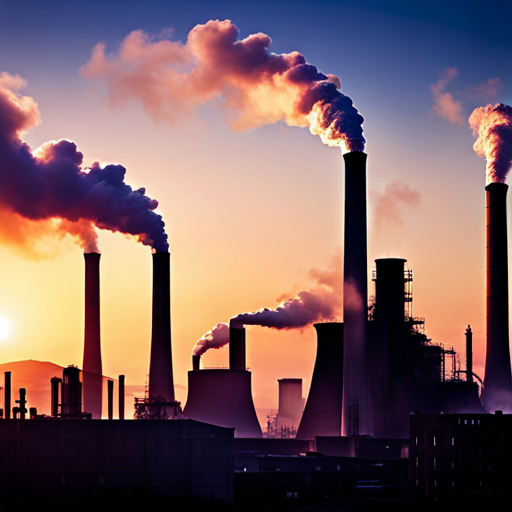
Environmental contamination is a pressing issue that threatens the well-being of our planet and its inhabitants. It refers to the pollution or introduction of harmful substances into the environment, such as air, water, and soil, leading to adverse effects on ecosystems and human health.
In order to address this issue effectively, it is crucial to understand the role of compliance in mitigating environmental contamination. Compliance refers to the adherence to environmental regulations and standards set by governing bodies to ensure the protection and preservation of the environment.
Environmental regulations play a vital role in safeguarding our natural resources and promoting sustainable practices. These regulations are put in place to monitor and control the activities of industries and individuals that may have a detrimental impact on the environment.
Compliance with these regulations is essential as it ensures that harmful substances are not released into the environment, and proper waste management practices are followed. By complying with environmental regulations, businesses and individuals contribute to the reduction of environmental contamination and the conservation of our natural resources.
Moreover, compliance also fosters a sense of responsibility and accountability, as it holds parties responsible for any damage caused to the environment due to their actions.
Key Takeaways
– Compliance with environmental regulations is essential in preventing and mitigating environmental contamination.
– Strict regulations and guidelines help hold industries accountable and encourage the adoption of cleaner technologies.
– Educating the public and providing incentives for eco-friendly behaviors can play a crucial role in preventing pollution.
– Environmental remediation, including clean-up and restoration of polluted areas, is necessary to address existing contamination.
Understanding Environmental Regulations
Environmental regulations act as a compass, guiding industries through the treacherous waters of pollution control and ensuring their adherence to responsible practices. In an effort to protect the environment and human health, governments around the world have enacted various environmental legislation.
These regulations set standards and guidelines for industries to follow, imposing restrictions on the amount of pollutants they can release into the air, water, and soil. By establishing clear rules and requirements, environmental regulations aim to prevent and mitigate environmental contamination.
Regulatory compliance is a fundamental aspect of environmental regulations. It refers to the extent to which industries adhere to the prescribed rules and regulations set by environmental legislation. Compliance ensures that industries are operating within the legal framework and are taking necessary measures to protect the environment.
This includes obtaining permits, implementing pollution control technologies, and regularly monitoring and reporting their emissions. By enforcing regulatory compliance, environmental authorities can effectively monitor and regulate industries, holding them accountable for their actions and ensuring that they are actively working towards reducing their environmental footprint.
Compliance with environmental regulations is crucial in mitigating environmental contamination as it establishes a level playing field for industries, promotes responsible practices, and ultimately helps in preserving and protecting our environment for future generations.
The Impact of Environmental Contamination
Pollution and its effects on the ecosystem are a pressing concern that requires immediate attention.
The release of contaminants into the environment can have far-reaching consequences, impacting both human health and the natural world.
Environmental contamination can result in the degradation of air, water, and soil quality, posing significant risks to ecosystems and the organisms that inhabit them.
For instance, pollution in water bodies can lead to the death of marine life, as contaminants such as heavy metals and chemicals can accumulate in the tissues of aquatic organisms, disrupting their biological processes and ultimately causing their demise.
Similarly, air pollution can have detrimental effects on human health, exacerbating respiratory conditions and contributing to the development of cardiovascular diseases.
Understanding the impact of environmental contamination is crucial in order to effectively prevent pollution and engage in environmental remediation efforts.
Preventing pollution is a key aspect in mitigating the impact of environmental contamination.
By implementing strict regulations and guidelines, industries can be held accountable for their actions and encouraged to adopt cleaner technologies and practices.
This includes measures such as reducing emissions, properly managing waste disposal, and implementing sustainable practices.
Additionally, educating the public about the importance of environmental conservation and providing incentives for individuals to adopt eco-friendly behaviors can also contribute to pollution prevention.
Furthermore, environmental remediation plays a vital role in addressing the consequences of past contamination incidents.
This involves the clean-up and restoration of polluted areas, with the aim of returning the environment to its original state.
Techniques such as soil and water remediation, phytoremediation, and bioremediation can be employed to remove or neutralize contaminants, allowing ecosystems to recover and thrive once again.
Overall, by focusing on preventing pollution and engaging in environmental remediation efforts, we can work towards mitigating the impact of environmental contamination and safeguarding the health of both the environment and its inhabitants.
The Importance of Compliance in Environmental Protection
The adherence to regulatory standards and guidelines is of utmost importance in protecting and preserving the integrity of our natural surroundings. Compliance enforcement plays a crucial role in ensuring that industries and individuals follow the necessary protocols to minimize environmental contamination. Without proper compliance measures, the risk of pollution and its detrimental effects on ecosystems and human health increases significantly.
One way to promote compliance is through environmental compliance training. This training equips individuals with the knowledge and skills to understand and meet their environmental responsibilities. It educates them on the potential environmental impacts of their actions and provides guidance on how to prevent or mitigate these impacts. By raising awareness and fostering a culture of compliance, environmental compliance training helps to instill a sense of responsibility and accountability in individuals and organizations.
Enforcement of compliance is essential to ensure that regulations are followed and that potential environmental risks are minimized. Regulatory agencies play a crucial role in monitoring and inspecting industries to ensure compliance with environmental standards. By conducting regular inspections and audits, these agencies can identify any non-compliance issues and take appropriate enforcement actions, such as issuing fines or penalties. The threat of enforcement acts as a deterrent, discouraging non-compliance and encouraging industries to prioritize environmental protection.
Compliance with regulatory standards and guidelines is vital in mitigating environmental contamination. Environmental compliance training and enforcement play critical roles in promoting and ensuring adherence to these standards. By equipping individuals with the necessary knowledge and enforcing compliance through inspections and penalties, we can work towards protecting and preserving our natural surroundings for future generations.
Promoting Sustainable Practices
Promoting sustainable practices is essential for creating a harmonious and thriving world that future generations can enjoy and benefit from. Sustainable development aims to meet the needs of the present generation without compromising the ability of future generations to meet their own needs.
In order to achieve this, eco-friendly initiatives need to be implemented on a global scale. These initiatives can range from reducing carbon emissions and promoting renewable energy sources to implementing waste management systems that prioritize recycling and reuse. By adopting sustainable practices, we can ensure the conservation of natural resources and the preservation of ecosystems, ultimately leading to a more balanced and resilient planet.
One of the key aspects of promoting sustainable practices is the adoption of eco-friendly technologies and practices in various industries. For example, the transportation sector can transition from fossil fuel-powered vehicles to electric vehicles, reducing greenhouse gas emissions and air pollution. Similarly, the construction industry can embrace green building practices, such as using energy-efficient materials and designs, to minimize the environmental impact of new structures.
Additionally, promoting sustainable practices can also involve raising awareness and encouraging individuals to make environmentally conscious choices in their daily lives, such as reducing water consumption, practicing responsible waste disposal, and supporting local and organic food production.
By promoting sustainable practices, we not only contribute to environmental protection but also foster a sense of belonging within a global community. Sustainable development recognizes the interconnectedness of all living beings and encourages collaboration and cooperation between nations. By working together to address environmental challenges, we can create a world where everyone feels a sense of responsibility towards the planet and its inhabitants.
In this way, promoting sustainable practices not only benefits the environment but also strengthens our collective identity as caretakers of the Earth.
Holding Responsible Parties Accountable
Holding responsible parties accountable for their actions is essential for ensuring the preservation of our natural resources and the well-being of future generations. When it comes to environmental contamination, it is crucial to establish accountability measures to deter individuals and organizations from engaging in harmful practices. By imposing legal consequences on those who cause environmental harm, we can discourage actions that lead to contamination and promote a culture of responsible behavior.
One way to hold responsible parties accountable is through the implementation of strict regulations and enforcement mechanisms. Government agencies and regulatory bodies can set clear guidelines and standards for industries to follow, ensuring that they operate in an environmentally sustainable manner. These regulations can include requirements for waste management, pollution control, and resource conservation. By monitoring compliance and enforcing these regulations, authorities can identify and penalize those who fail to meet the necessary standards. This not only discourages irresponsible practices but also provides a strong incentive for industries to adopt sustainable practices and invest in technologies that minimize their environmental impact.
In addition to regulations, legal consequences can also play a significant role in holding responsible parties accountable. Fines, penalties, and legal actions can be imposed on individuals and organizations that cause environmental contamination. These consequences not only serve as a deterrent but can also provide compensation for damages and remediation efforts. By imposing financial liabilities, responsible parties are forced to bear the costs of their actions, which can act as a deterrent and encourage them to adopt more sustainable practices.
Moreover, legal consequences can also lead to reputational damage for those found guilty of environmental harm, impacting their business prospects and social standing. This combination of financial and reputational consequences can be highly effective in promoting responsible behavior and ensuring that individuals and organizations prioritize the protection of our natural resources.
Frequently Asked Questions
What are the most common environmental regulations that companies need to comply with?
One common environmental regulation that companies need to comply with is the Clean Air Act, which sets emission standards for pollutants. Environmental compliance ensures that companies meet regulatory requirements to reduce pollution and protect public health.
How does environmental contamination affect human health?
Environmental contamination’s impact on human health includes a wide range of risks and effects. Understanding these connections and implications is crucial for safeguarding public health and promoting a sense of belonging within the community.
What are the consequences for companies that fail to comply with environmental regulations?
Companies that fail to comply with environmental regulations face dire consequences. They are like ships sailing in treacherous waters without a compass, risking legal penalties that can cripple their operations and tarnish their reputation.
What are some examples of sustainable practices that can help mitigate environmental contamination?
Eco-friendly initiatives and pollution prevention practices play a vital role in mitigating environmental contamination. Examples include implementing renewable energy sources, adopting sustainable agricultural practices, and promoting waste reduction and recycling programs.
How can responsible parties be held accountable for environmental contamination incidents?
Legal implications and enforcement measures play a crucial role in holding responsible parties accountable for environmental contamination incidents. Compliance with regulations ensures that the perpetrators face consequences, promoting a sense of belonging and fostering a sustainable environment.