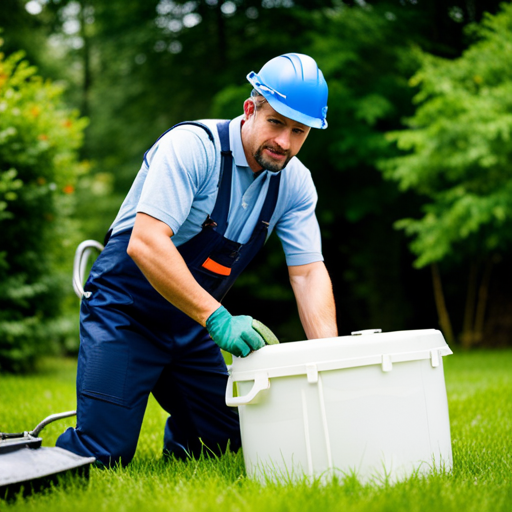
Septic system backups can be a major inconvenience and cause significant damage to both the septic system and the surrounding environment. It is crucial to address these backups promptly and effectively to prevent further complications.
This article discusses important fixes for septic system backups, providing technical and detailed information on how to resolve this issue.
Regular inspection and pumping are essential for maintaining a healthy septic system and preventing backups. By scheduling regular inspections, homeowners can identify potential problems early on and take necessary actions to avoid backups.
Additionally, regular pumping removes accumulated solids from the septic tank, preventing clogs and backups. Proper waste disposal is another crucial aspect to consider. It is important to educate homeowners about the appropriate methods of waste disposal, such as avoiding flushing non-biodegradable items down the toilet or drain.
These items can cause blockages in the septic system, leading to backups. By promoting responsible waste disposal practices, homeowners can contribute to the prevention of septic system backups.
Key Takeaways
– Regular inspection and pumping are necessary to prevent septic system backups.
– Proper waste disposal and avoiding flushing non-biodegradable items are important to avoid blockages and backups.
– Regular maintenance helps identify and address potential issues with the septic system.
– Professional assistance is needed for safe and efficient pumping of the septic tank.
Regular Inspection and Pumping
Regular inspection and pumping of septic systems is crucial for preventing backups and ensuring the proper functioning of the system. Regular maintenance is essential to avoid septic system backups, as it helps identify and address any potential issues before they escalate into major problems.
By conducting routine inspections, homeowners can detect early signs of system failure, such as slow drains, foul odors, or unusual noises. These inspections allow professionals to assess the overall condition of the septic system, including the tank, pipes, and drain field, and identify any areas that require attention.
Septic Tank Pumping Frequency: How Often is Too Often?
Another important aspect of regular maintenance is the professional assistance provided during the pumping process. Septic tanks require periodic pumping to remove accumulated solids and prevent them from clogging the system. A professional septic tank pumper has the expertise and tools to safely and efficiently pump the tank, ensuring that it is emptied completely and preventing any potential damage to the system.
Regular pumping helps maintain the proper balance of solids and liquids in the tank, allowing the septic system to function optimally. By investing in regular inspection and pumping, homeowners can prevent septic system backups and ensure the long-term efficiency and durability of their septic system.
Proper Disposal of Waste
To ensure the proper disposal of waste in septic systems, it is imperative to adhere to established guidelines and protocols. Waste management plays a crucial role in maintaining the functionality and longevity of septic tanks. Proper waste disposal involves a systematic approach that includes the separation of solid and liquid waste, as well as the avoidance of harmful substances.
Septic tank maintenance begins with the regular removal and appropriate disposal of solid waste. This is typically achieved through routine pumping, which helps prevent the accumulation of sludge and scum inside the tank. By following a recommended pumping schedule, homeowners can ensure that their septic system functions optimally and minimizes the risk of backups.
Additionally, it is important to avoid flushing or draining substances that can harm the septic system, such as chemicals, oils, grease, and non-biodegradable items. These materials can disrupt the natural bacterial activity in the tank, leading to clogs and blockages.
By adhering to waste management guidelines and adopting responsible disposal practices, homeowners can contribute to the long-term functionality of their septic systems.
Avoid Flushing Non-Biodegradable Items
Prudent waste management practices prohibit flushing non-biodegradable items in order to preserve the proper functionality of septic tanks and prevent potential blockages. Proper septic maintenance is crucial for the effective functioning of septic systems, which are designed to treat and dispose of wastewater.
Flushing non-biodegradable items such as plastic, sanitary products, or paper towels can lead to clogs and backups in the septic system. These items do not break down easily and can accumulate in the septic tank, causing it to fill up faster than it should. As a result, the septic system may become overloaded, leading to backups and potential damage to the system.
In addition to the negative impact on septic systems, flushing non-biodegradable items also has significant environmental consequences. Non-biodegradable waste, such as plastic, does not decompose naturally and can persist in the environment for hundreds of years. When flushed down the toilet, these items can end up in water bodies or sewage treatment plants, where they can pollute the water and harm aquatic life. The accumulation of non-biodegradable waste in water bodies can disrupt ecosystems and have far-reaching effects on the environment.
To ensure the proper functioning of septic systems and minimize the environmental impact of non-biodegradable waste, it is crucial to adopt responsible waste disposal practices. This involves disposing of non-biodegradable items, such as plastic, diapers, or wipes, in the trash instead of flushing them down the toilet. Proper education and awareness campaigns can play a significant role in promoting the importance of responsible waste management and preventing septic system backups.
By following these practices, individuals can contribute to the preservation of septic systems and the protection of the environment.
Use Enzyme Additives to Promote Breakdown
Enzyme additives can effectively aid in the breakdown of organic matter in septic tanks. These additives are designed to introduce specific enzymes into the septic system that can accelerate the decomposition process.
Enzymes are natural substances that act as catalysts, speeding up chemical reactions without being consumed themselves. In the case of septic tanks, enzyme additives work by breaking down proteins, fats, and carbohydrates, which are the primary components of organic waste. This breakdown process helps to prevent the accumulation of solid waste, reducing the risk of clogs and backups in the system.
One of the key advantages of using enzyme additives is their effectiveness in promoting the breakdown of organic matter. The enzymes target specific types of waste, such as grease or paper, and facilitate their decomposition. By breaking down these substances into simpler forms, enzymes make it easier for bacteria in the septic tank to digest and further break down the waste. This ultimately results in a more efficient and effective septic system.
However, it is important to note that although enzyme additives can be beneficial, they are not a substitute for regular septic system maintenance. Regular pumping and inspection are still necessary to ensure the proper functioning of the system.
While enzyme additives can be highly effective, there are also alternative treatments available for septic system maintenance. For example, some homeowners may choose to use bacteria-based additives instead of enzymes. These bacteria are specifically selected for their ability to break down organic waste and enhance the natural processes in the septic tank. Other alternatives include mechanical treatments, such as air pumps or aerators, which introduce oxygen into the septic system to promote the growth of aerobic bacteria.
Ultimately, the choice of treatment depends on various factors, including the specific needs of the septic system, the type of waste being produced, and the homeowner’s preferences. Consulting with a septic system professional can help determine the most suitable treatment option for a particular situation.
Maintain Drainage Field and Septic Tank
Maintaining a well-functioning drainage field and septic tank is like tending to the roots of a flourishing garden, ensuring the smooth flow and decomposition of organic waste. Proper drainage field maintenance is essential to prevent backups and maintain the efficiency of the septic system.
Regular inspection and maintenance of the drainage field are crucial to identify any potential issues before they escalate. This includes checking for signs of ponding or pooling water, which could indicate a clogged or overloaded drainage field. Additionally, it is important to avoid planting trees or large shrubs near the drainage field as their roots can infiltrate the pipes and cause blockages. Regularly diverting surface water away from the drainage field can also help prevent overloading and ensure the proper functioning of the septic system.
Septic tank maintenance is equally important in preventing backups. Regular pumping of the septic tank is necessary to remove accumulated solids and prevent them from clogging the drain field. The frequency of pumping depends on the size of the tank and the number of occupants in the house. It is recommended to have a professional inspect and pump the septic tank every 3-5 years.
In addition to regular pumping, it is essential to avoid flushing non-biodegradable items such as sanitary products, diapers, and paper towels down the toilet, as they can cause blockages and damage the septic system. Using septic-safe toilet paper and limiting the use of harsh chemicals in cleaning products can also help maintain the health of the septic tank.
By following these maintenance practices, homeowners can ensure the longevity and proper functioning of their septic system, reducing the risk of backups and costly repairs.
Frequently Asked Questions
What are the common signs of a septic system backup?
Common signs of a septic system backup include slow draining sinks, toilets, and showers, gurgling noises in pipes, foul odors, and sewage backups. Solutions involve regular maintenance, pumping, avoiding excessive water usage, and proper disposal of waste.
How often should a septic system be inspected and pumped?
To ensure proper septic system maintenance, it is recommended to have the septic tank pumped every 3 to 5 years. Regular pumping prevents solids from accumulating, reducing the risk of backups and extending the system’s lifespan.
Can I dispose of cooking oils and grease in my septic system?
Cooking oils and grease should not be disposed of in a septic system as they can cause clogs and damage. Proper maintenance tips include recycling oils, using absorbent materials, and regular pumping to prevent backups and ensure system longevity.
Are there any specific enzyme additives that are recommended for septic systems?
Specific enzyme additives can be used as alternative treatments for septic systems. These additives aid in breaking down organic matter, promoting microbial activity, and improving system performance. Other alternatives include bacterial additives and oxygenation systems.
What are some common causes of septic system backups?
Septic system maintenance is crucial for preventing septic backups. Common causes include excessive water usage, improper disposal of non-biodegradable items, lack of regular pumping, and tree root intrusion. Regular inspections and proper maintenance can help avoid these issues.