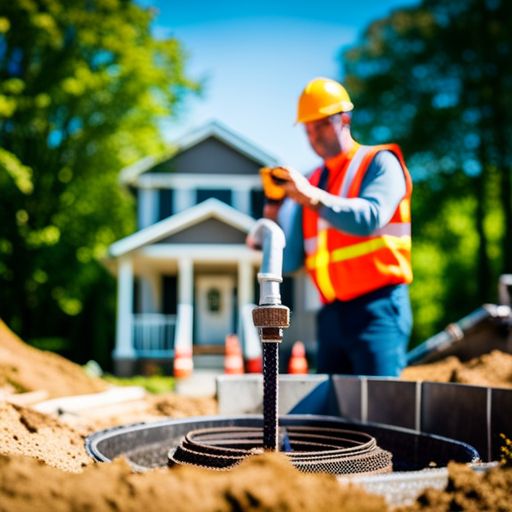
Septic systems are essential for the proper disposal of wastewater in areas where there is no access to a municipal sewer system.
However, without proper maintenance, these systems can become prone to costly repairs and malfunctions.
This article aims to provide homeowners with the best practices for septic system maintenance, offering detailed and informative guidelines to ensure the longevity and efficiency of their systems.
The first step in avoiding costly repairs is regular pumping and inspection.
By having the septic tank pumped every three to five years, homeowners can prevent the accumulation of solid waste that can lead to clogs and backups.
Additionally, regular inspections allow for the early detection of any issues or signs of wear and tear, enabling prompt repairs before they become more severe and expensive.
Proper waste disposal is another crucial aspect of septic system maintenance.
It is essential to avoid flushing or draining any materials that could clog or damage the system, such as grease, oil, feminine hygiene products, or non-biodegradable items.
By adhering to these guidelines, homeowners can protect the integrity of their septic systems and avoid costly repairs.
Key Takeaways
– Regular pumping and inspection are crucial for preventing septic system issues and costly repairs.
– Proper waste disposal and avoiding flushing non-biodegradable items help prevent clogs and damage.
– Adhering to a maintenance schedule and using septic system additives correctly can enhance system longevity and control odors.
– Monitoring water usage and managing water flow in the drainfield are important for system efficiency and preventing damage.
Regular Pumping and Inspection
Regular pumping and inspection of septic systems is essential for preventing costly repairs and maintaining the longevity of the system.
One important aspect of septic system maintenance is understanding the septic tank size. The size of the septic tank determines its capacity to hold and treat wastewater. It is crucial to have a septic tank that is appropriately sized for the household’s needs. A tank that is too small may result in frequent overflow and backups, while a tank that is too large may not efficiently treat the wastewater, leading to improper functioning of the system.
Therefore, regular inspection of the septic tank size is necessary to ensure it can accommodate the household’s wastewater volume adequately.
In addition to monitoring septic tank size, adhering to a septic system maintenance schedule is vital. Regular pumping of the septic tank is necessary to remove accumulated solids and prevent blockages in the system. The frequency of pumping depends on several factors, including the size of the tank, the number of occupants in the household, and the amount of wastewater generated. Generally, it is recommended to pump the septic tank every 3 to 5 years. However, it is crucial to consult a professional to determine the appropriate pumping frequency for a specific system.
Regular inspections should also be conducted to identify any potential issues early on. This includes checking for leaks, cracks, or signs of damage in the septic tank and its components.
By adhering to a regular maintenance schedule, homeowners can ensure their septic system operates efficiently, minimizing the risk of costly repairs and prolonging the lifespan of the system.
Proper Waste Disposal
To ensure the longevity and efficient operation of a septic system, it is crucial to adhere to proper waste disposal methods. Organic waste management plays a significant role in maintaining the health and functionality of septic systems.
It is essential to avoid disposing of non-biodegradable items such as plastics, diapers, and sanitary napkins into the septic system. These items can clog the pipes and inhibit the natural breakdown process of organic waste. Additionally, it is important to limit the disposal of grease, fats, and oils into the septic system. These substances can solidify and cause blockages in the pipes and tank, leading to costly repairs.
Proper waste disposal involves being mindful of what goes down the drains and toilets, and ensuring that only biodegradable materials are disposed of in the septic system.
In addition to proper waste disposal, septic system additives can also be used to maintain the health and functionality of the system. Septic system additives are products that are designed to enhance the decomposition process of organic waste in the system.
These additives introduce beneficial bacteria and enzymes into the septic tank, which help break down the waste more efficiently. They can also help control odors and prevent the buildup of sludge and scum in the tank. However, it is important to note that the use of septic system additives should be done with caution and in accordance with manufacturer instructions.
Overuse or misuse of these additives can disrupt the natural balance of bacteria in the septic system and lead to adverse effects. Therefore, it is always recommended to consult with a professional septic system service provider before using any additives in the system.
Monitoring Water Usage
Monitoring water usage is essential for ensuring the efficient operation of a septic system. Studies show that a leaky toilet can waste up to 200 gallons of water per day, putting unnecessary strain on the system. Water conservation is not only important for the environment but also for the longevity of the septic system.
By monitoring water usage, homeowners can identify any potential leaks or excessive water consumption that may be causing problems for their septic system. One effective way to monitor water usage is by regularly checking the water meter. The water meter can provide valuable information about water consumption patterns and detect any sudden or unexplained increases in usage. This can be an early indicator of leaks or inefficient water usage, allowing homeowners to take prompt action.
Additionally, installing leak detection devices, such as water alarms or flow sensors, can further help in monitoring water usage. These devices can alert homeowners to any leaks or abnormal water flow, enabling them to address the issue before it becomes a costly repair.
By actively monitoring water usage and implementing water conservation practices, homeowners can protect their septic system from unnecessary strain and potential damage. This not only benefits the environment but also helps homeowners avoid costly repairs and ensures the long-term functionality of their septic system.
Avoiding Harsh Chemicals
One effective way to ensure the longevity and proper functioning of a septic system is by using environmentally-friendly alternatives instead of harsh chemicals. Eco-friendly alternatives not only protect the environment but also contribute to the overall health of the septic system.
Harsh chemicals, such as bleach, drain cleaners, and antibacterial soaps, can disrupt the balance of bacteria in the septic tank, leading to potential issues such as clogging, foul odors, and even system failure. Eco-friendly alternatives, on the other hand, are gentle on the septic system while still effectively cleaning and disinfecting.
Natural cleaning methods, such as using vinegar, baking soda, or lemon juice, can be used as alternatives to harsh chemicals. Vinegar is a versatile cleaning agent that can be used to remove stains, unclog drains, and eliminate odors. Baking soda is effective in absorbing odors and can be used as a mild abrasive cleaner. Lemon juice, with its acidic properties, can be used to dissolve grease and grime.
These natural alternatives not only clean effectively but also do not harm the beneficial bacteria in the septic tank. By incorporating these eco-friendly alternatives into your cleaning routine, you can maintain a healthy septic system and avoid costly repairs in the long run.
Maintaining Drainfield Health
Maintaining the health of the drainfield is crucial for the long-term functionality and effectiveness of a septic system, ensuring the proper disposal and filtration of wastewater to protect both the environment and public health.
Drainfield preservation involves various practices to prevent soil erosion and maintain the optimal functioning of the drainfield.
One important aspect of drainfield preservation is managing the water flow. Excessive water can saturate the drainfield, leading to soil compaction and reduced filtration. To prevent this, homeowners should avoid diverting excessive water into the septic system. This includes directing downspouts away from the drainfield, fixing any leaking pipes or fixtures, and being mindful of water usage. Conserving water by using efficient appliances and fixtures, such as low-flow toilets and faucets, can significantly reduce the strain on the drainfield.
In addition to water management, regular inspection and maintenance of the drainfield are essential for its longevity. Homeowners should have their septic systems inspected and pumped on a regular basis by a professional. This helps prevent solids from accumulating in the system and clogging the drainfield.
Additionally, it is crucial to avoid planting trees or shrubs near the drainfield as their roots can infiltrate the septic system and damage the drainfield pipes. By implementing these practices, homeowners can ensure the health and longevity of their drainfield, preventing soil erosion and maintaining the effectiveness of their septic system.
Frequently Asked Questions
How often should a septic system be pumped and inspected?
Septic system pumping frequency and inspection guidelines depend on factors such as tank size, household size, and waste volume. Generally, pumping every 3-5 years and inspecting annually ensures optimal performance, prevents issues, and prolongs the system’s lifespan.
What are the proper ways to dispose of waste in a septic system?
Proper waste disposal is essential for septic system maintenance. It involves avoiding flushing non-biodegradable items, chemicals, and excessive amounts of water. Regular pumping and inspection are necessary to prevent system failure and costly repairs.
How can water usage be monitored to prevent septic system issues?
Implementing water conservation measures is vital for septic system efficiency. Monitoring water usage through techniques like installing low-flow fixtures and repairing leaks can prevent septic system issues and foster a sense of belonging to a community of environmentally conscious individuals.
Are there any harsh chemicals that should never be used in a septic system?
Proper chemical usage is essential for septic system maintenance. Harsh chemicals, such as bleach or drain cleaners, should never be used as they can disrupt the balance of bacteria in the system. Alternative waste disposal methods should be considered instead.
What are some tips for maintaining the health of the drainfield in a septic system?
Drainfield maintenance is crucial for a healthy septic system. Signs of drainfield failure include foul odors and slow drainage. To prevent this, regular inspection, proper waste disposal, and minimizing water usage are essential.