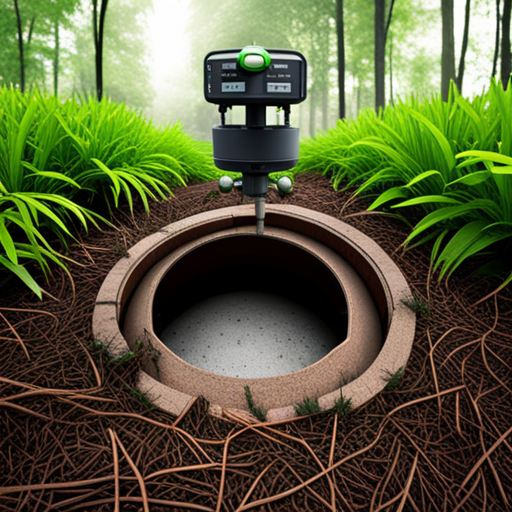
Septic systems play a vital role in the proper disposal of wastewater from households and commercial establishments. However, one of the most common issues that can plague these systems is root intrusion. When tree roots infiltrate the septic system, they can cause significant damage, leading to costly repairs and potential health hazards.
Therefore, it is crucial for homeowners and property owners to understand the impact of root intrusion and implement proven methods for prevention.
Root intrusion occurs when tree roots grow into the septic system pipes, causing blockages and potentially leading to leaks and seepage. This can result in a range of problems, including slow drains, sewage backups, foul odors, and even contamination of nearby groundwater sources.
Identifying problematic tree species near the septic system is the first step in preventing root intrusion. Certain tree species, such as willows and poplars, have aggressive root systems that are more likely to infiltrate pipes. By being aware of these species and their proximity to the septic system, property owners can take proactive measures to prevent root intrusion.
Key Takeaways
– Regular inspection and maintenance are crucial to prevent root intrusion.
– Physical barriers like root barriers can prevent root intrusion.
– Proper landscaping techniques can minimize the risk of root intrusion.
– Professional consultation is important for tree removal and landscape design.
Understanding Root Intrusion and Its Impact on Septic Systems
Root intrusion is a detrimental phenomenon that poses a significant threat to the functionality and longevity of septic systems, causing distress and potential costly repairs for homeowners. When tree roots infiltrate septic systems, they can cause blockages, leading to backups, slow drains, and even complete system failure. The roots can penetrate the pipes, causing cracks, leaks, and structural damage.
Additionally, as the roots grow and expand, they can displace soil and disrupt the proper flow of wastewater, resulting in inadequate treatment and potential contamination of the surrounding environment.
To prevent root intrusion and protect septic systems, homeowners can employ various root intrusion prevention techniques and septic system maintenance tips. Regular inspection and maintenance of the septic system is crucial to identify any signs of root intrusion early on. This can be done by hiring a professional to conduct regular inspections and perform necessary maintenance tasks, such as removing any tree roots that may have infiltrated the system.
Implementing physical barriers, such as root barriers or shields, can also be effective in preventing root intrusion. These barriers are typically installed around the septic system, creating a barrier between the tree roots and the system. Additionally, homeowners should be cautious when planting trees or shrubs near septic systems, as certain species have aggressive root systems that are more likely to infiltrate the pipes. Proper landscaping techniques, such as planting trees at a safe distance from the septic system and choosing plants with less invasive root systems, can help minimize the risk of root intrusion.
Regular maintenance tasks, such as regular pumping and avoiding excessive water usage, can also contribute to the overall health and longevity of the septic system, reducing the likelihood of root intrusion.
By implementing these root intrusion prevention techniques and incorporating septic system maintenance tips, homeowners can effectively protect their septic systems from the detrimental effects of root intrusion.
Identifying Problematic Tree Species near Your Septic System
Tree species with aggressive root systems can pose a significant threat to the stability and functionality of septic systems, acting as unwelcome intruders that undermine the integrity of the system’s infrastructure.
Certain tree species, such as willows, poplars, and silver maples, are known to have particularly invasive root systems that can spread far and wide, seeking out sources of water and nutrients. These roots can penetrate into septic tank walls, drainpipes, and distribution boxes, causing blockages, leaks, and structural damage.
It is crucial for homeowners to identify and address any problematic tree species near their septic systems to prevent root intrusion and potential system failure.
To mitigate the risk of root intrusion, tree removal may be necessary in some cases. Removing trees with aggressive root systems that are in close proximity to the septic system can eliminate the potential for root intrusion altogether.
However, tree removal should be done carefully and with consideration for the overall landscape design. It is important to consult with a professional arborist or landscaper who can assess the situation and provide guidance on the best course of action.
In some cases, tree removal may not be necessary if other measures, such as root barriers or regular maintenance, can effectively manage the root growth and prevent intrusion.
By incorporating these preventative measures and considering the impact on the overall landscape design, homeowners can protect their septic systems from the detrimental effects of problematic tree species and ensure the long-term functionality and stability of their systems.
Implementing Physical Barriers to Prevent Root Intrusion
Implementing physical barriers around the septic system can serve as an effective strategy for preventing the encroachment of aggressive tree species and safeguarding the system’s infrastructure from potential damage and disruption.
Root barriers, also known as root deflectors or root shields, are commonly used to create a physical barrier that prevents tree roots from penetrating the septic system. These barriers are typically made of durable materials such as high-density polyethylene or steel, and they are installed underground around the perimeter of the septic system.
The barrier is designed to extend deep enough into the soil to deter root growth, usually around 2-3 feet, and it is also designed to extend above the ground to prevent roots from growing over the top of the barrier.
Root barriers work by redirecting the growth of tree roots away from the septic system. As roots encounter the barrier, they are forced to change direction and grow in a different direction. This prevents them from reaching the septic system and causing damage.
In addition to root barriers, another method for preventing root intrusion is root pruning. Root pruning involves cutting or removing tree roots that are growing too close to the septic system. This can be done by a professional arborist who can identify the problematic roots and use specialized tools to prune them.
By regularly pruning the roots, the risk of root intrusion can be minimized, and the septic system can be protected from potential damage.
Overall, implementing physical barriers such as root barriers and practicing root pruning techniques are effective methods for preventing root intrusion and ensuring the long-term functionality of the septic system.
Regular Maintenance and Inspection to Detect Early Signs of Root Intrusion
Regular maintenance and inspection of the septic system is crucial for early detection of any signs of root intrusion.
Root intrusion occurs when tree roots grow into the septic system pipes, causing blockages and damage. By regularly inspecting the system, homeowners can identify any signs of root intrusion before it becomes a major issue. This can help prevent costly repairs and ensure the proper functioning of the septic system.
One effective method for detecting root intrusion is to hire professional services for regular inspections. These professionals have the expertise and specialized equipment to thoroughly examine the septic system for any signs of root intrusion. They can use tools such as video cameras to inspect the pipes and identify any blockages or root growth. Additionally, professional services can also perform maintenance tasks such as root cutting or chemical treatments to prevent further root intrusion.
By relying on professional services, homeowners can have peace of mind knowing that their septic system is being properly cared for and any potential issues are being addressed in a timely manner.
Regular maintenance and inspection of the septic system are essential for early detection of root intrusion. By hiring professional services for inspections, homeowners can ensure that any signs of root intrusion are identified and addressed promptly. This proactive approach can help prevent costly repairs and maintain the proper functioning of the septic system.
Chemical Treatments for Root Control in Septic Systems
Chemical treatments offer a viable solution for managing root growth within septic systems, effectively reducing the risk of blockages and damage. These treatments typically involve the use of herbicides that are specifically formulated to inhibit root growth without harming the septic system itself.
One commonly used herbicide is copper sulfate, which is known for its effectiveness in killing and preventing root intrusion. Copper sulfate works by releasing copper ions into the soil, which are toxic to plant cells and inhibit root growth. This treatment is typically applied directly to the affected areas, such as the drain field or pipes, and is absorbed by the roots, effectively killing them and preventing further growth. However, it is important to note that copper sulfate can also harm other plants and aquatic life if it leaches into nearby water sources, so it should be used with caution and according to the manufacturer’s instructions.
While chemical treatments like copper sulfate can be effective in the short term, they may not provide a long-term solution for root control in septic systems. Roots have the ability to regenerate and grow back over time, which means that repeated applications of chemical treatments may be necessary to maintain their effectiveness.
Additionally, some studies suggest that the long-term use of herbicides in septic systems can have negative environmental impacts, as they can contaminate groundwater and harm beneficial microorganisms. As a result, there has been increasing interest in exploring biological alternatives for root control in septic systems.
These alternatives involve the use of natural substances, such as enzymes or bacteria, that can break down root cells and prevent their growth. While research on the long-term effectiveness of biological alternatives is still ongoing, they offer a potentially more sustainable and environmentally friendly solution for managing root intrusion in septic systems.
Frequently Asked Questions
How much does it typically cost to install physical barriers to prevent root intrusion in a septic system?
The cost analysis of installing physical barriers to prevent root intrusion in a septic system may vary depending on factors such as the size of the system and the type of barrier used. Alternative methods, such as chemical treatments, can also be considered for cost-effectiveness.
Can tree roots cause damage to underground plumbing systems other than septic systems?
Tree root damage to underground plumbing systems is a common problem. Signs of root intrusion in plumbing systems include slow drains, gurgling noises, and foul odors. Proper maintenance and regular inspections can help prevent and address this issue.
Are there any natural alternatives to chemical treatments for root control in septic systems?
Natural alternatives to chemical treatments for root control in septic systems include DIY methods like copper sulfate crystals and rock salt. These options provide effective root prevention without the need for harmful chemicals, ensuring a healthier and more environmentally friendly septic system.
How often should a septic system be inspected for signs of root intrusion?
Septic systems should be inspected annually for signs of root intrusion to ensure proper functioning. Signs to look for include slow drains, foul odors, and lush vegetation near the system. Regular inspections can prevent costly damage.
Can root intrusion be prevented entirely, or is it inevitable over time?
Preventing root intrusion in septic systems long term is possible through effective methods. These include physical barriers like root barriers and chemical treatments like copper sulfate. Regular inspections and maintenance are also crucial for early detection and prevention.