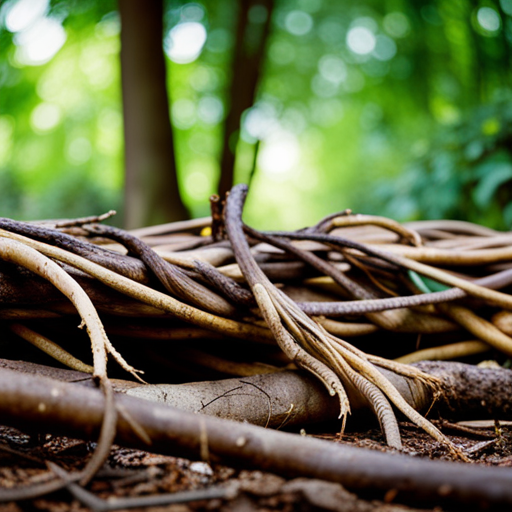
Septic systems play a crucial role in managing wastewater in both residential and commercial properties. However, over time, the drainfield of a septic system can become overloaded and fail to function properly. This can lead to a range of issues, including foul odors, slow draining sinks and toilets, and even sewage backups. Restoring the functionality of an overloaded septic system drainfield requires a systematic approach that addresses the underlying causes of the overload, assesses the health of the drainfield, and implements proper maintenance practices. Understanding the common causes of drainfield overload is essential in restoring its functionality. Factors such as excessive water usage, the introduction of non-biodegradable substances into the septic system, and lack of septic tank maintenance can all contribute to the overload. By identifying and addressing these underlying causes, it becomes possible to alleviate the strain on the drainfield and restore its ability to effectively treat wastewater. In addition, assessing the health of the drainfield is crucial in determining the extent of the overload and the appropriate steps for restoration. This can involve conducting soil tests, inspecting the drainfield for signs of saturation or clogs, and evaluating the level of effluent distribution. By taking a comprehensive approach to restoring the functionality of an overloaded septic system drainfield, property owners can ensure the long-term effectiveness of their wastewater management system. Key Takeaways – Proper septic tank maintenance, including regular inspections and pumping, is crucial for preventing drainfield overload and damage.– Excessive water usage should be reduced through water conservation measures to alleviate strain on the drainfield.– Non-biodegradable substances should be prevented from entering the septic system through education...
Septic systems play a crucial role in managing wastewater in residential and commercial properties. However, drainfield overload can pose a significant problem, leading to system failure and potential environmental hazards. In this article, we will explore effective solutions for drainfield overload in your septic system, providing practical and technical advice to help you address this issue. The first step in finding a solution is to identify the causes of drainfield overload. This can occur due to excessive water usage, aging or damaged septic tanks, or malfunctioning appliances. By understanding the root cause, you can implement targeted solutions to alleviate the stress on your drainfield. One effective measure is water conservation. By adopting water-saving habits and implementing water conservation devices, you can significantly reduce the strain on your septic system. Additionally, regular maintenance of your septic tank is crucial in ensuring its optimal performance. This involves periodic inspections, pumping, and cleaning to prevent buildup and prolong the lifespan of your system. Furthermore, repairing or replacing malfunctioning appliances, such as leaky faucets or toilets, can prevent unnecessary water usage and reduce the load on your drainfield. Lastly, seeking professional help and advice from septic system experts can provide valuable insights and solutions tailored to your specific situation. By following these effective measures, you can effectively manage drainfield overload and ensure the long-term functionality of your septic system. Key Takeaways – Regular maintenance of the septic tank is crucial in preventing drainfield overload.– Water conservation is essential to avoid excessive water usage that can lead to drainfield overload.– Seeking professional help and advice is necessary to diagnose and find effective solutions for...
Septic system drainfield overload can be a significant and costly issue for homeowners. When the drainfield becomes overwhelmed with excessive water and waste, it can lead to clogs, backups, and even system failure. To prevent such problems, it is crucial to implement effective strategies and practices. In this article, we will explore expert tips for preventing septic system drainfield overload, providing homeowners with valuable insights and practical solutions. Conserving water is a fundamental step in reducing strain on the drainfield. By using water efficiently and avoiding excessive water usage, homeowners can minimize the volume of water that enters the septic system. This can be achieved through simple measures such as fixing leaks, using water-saving appliances, and adopting water-efficient habits like taking shorter showers or using a broom instead of a hose for outdoor cleaning. Additionally, proper disposal of biodegradable items is essential to prevent drainfield overload. By avoiding flushing or disposing of materials that can clog the system, such as grease, feminine hygiene products, or paper towels, homeowners can ensure the smooth operation of their septic system. Regular maintenance and inspections are also crucial to identify any potential issues early on and address them promptly. By having a professional inspect and pump the septic tank regularly, homeowners can prevent excessive buildup and reduce the risk of drainfield overload. Finally, avoiding harmful substances in the drain is essential to maintain a healthy septic system. Chemicals, medications, and other toxic substances should not be disposed of through the drain as they can disrupt the natural balance of bacteria in the septic tank, leading to system failure. By following these expert tips,...
Septic systems are an essential component of many residential and commercial properties, providing a safe and efficient means of wastewater disposal. However, drainfield overload is a common issue that can lead to significant problems and costly repairs. Understanding the causes of drainfield overload is crucial for homeowners and property owners to effectively manage their septic systems and prevent future issues. One of the primary causes of drainfield overload is excessive water usage. When water usage exceeds the capacity of the septic system, it can overwhelm the drainfield and lead to system failure. Heavy rainfall is another factor that can contribute to drainfield overload. The excess water from rainfall can saturate the soil, preventing proper drainage and causing the drainfield to become overwhelmed. Additionally, the simultaneous use of water appliances, such as washing machines and dishwashers, can put a strain on the septic system and lead to drainfield overload. Lack of regular maintenance and failure to pump the septic tank can also contribute to drainfield overload, as accumulated solid waste can clog the drainfield and impede proper wastewater disposal. Lastly, soil compaction can limit the ability of the drainfield to absorb and treat wastewater, leading to overload and potential system failure. By understanding these causes, property owners can take proactive measures to prevent drainfield overload and maintain the functionality of their septic systems. Key Takeaways – Excessive water usage and heavy rainfall can overwhelm the drainfield, leading to drainfield overload.– Lack of maintenance, failure to pump the septic tank, and neglected maintenance can contribute to drainfield overload.– Soil compaction, soil erosion, and clay content in the soil can restrict the...
Every home with a septic system relies on a drainfield to properly filter and dispose of wastewater. However, like any system, drainfields can become overloaded and fail to function efficiently. Recognizing the signs of septic system drainfield overload is crucial in order to address the issue promptly and avoid costly repairs. This article will explore the red flags that indicate drainfield overload, allowing homeowners to take necessary steps to prevent further damage and ensure the longevity of their septic system. Imagine a symphony of pipes, flowing seamlessly beneath the surface of your property, silently carrying away the waste from your home. This intricate network of underground channels is the backbone of your septic system, and it is crucial to maintain its functionality. When the drainfield becomes overloaded, it is as if the conductor has lost control of the orchestra, resulting in a cacophony of plumbing problems. By understanding the signs of drainfield overload, homeowners can take proactive measures to address the issue, ensuring harmony within their septic system and the overall well-being of their property. Key Takeaways – Slow drainage in sinks, showers, and toilets is a common sign of drainfield overload.– Foul odors from drains or septic tanks indicate potential septic system issues.– Standing water in the yard can indicate septic system malfunction and should be addressed promptly.– Sewage backup in the house is a clear sign of drainfield overload and requires immediate septic tank maintenance. Slow Drainage in Sinks, Showers, and Toilets Slow drainage in sinks, showers, and toilets is a common sign of septic system drainfield overload, with studies indicating that approximately 90% of drainfield issues...
Maintaining a root-free septic system is crucial for the proper functioning and longevity of your septic tank. Roots from trees and large shrubs can infiltrate the septic system, causing blockages, damage, and even failure. In this article, we will explore tips and best practices for keeping your septic system root-free, ensuring its optimal performance and preventing costly repairs. One of the key aspects of maintaining a root-free septic system is mindful landscaping around the area. It is essential to avoid planting trees and large shrubs near your septic tank, as their extensive root systems can extend into the septic pipes and infiltrate the system. Instead, opt for non-invasive plants that have smaller root systems and are less likely to cause damage. Regular maintenance is also crucial in preventing root intrusion. By inspecting your septic system regularly and addressing any issues promptly, you can identify and remove any roots that may be causing problems. Additionally, implementing best practices such as proper waste disposal and water conservation can help maintain a healthy septic system. By following these tips and best practices, you can ensure that your septic system remains root-free, allowing for efficient and trouble-free operation. Key Takeaways – Strategically plant trees and shrubs away from the septic system area.– Regularly maintain landscaping by trimming tree branches and removing roots near the septic system.– Regularly inspect the septic system for potential root intrusion issues and address them promptly.– Consider using root barriers, such as chemical or physical barriers, to prevent root damage. Mindful Landscaping Around Your Septic System When planning the landscaping around a septic system, consideration must be given to...
Tree roots can pose a significant threat to the proper functioning of septic systems, causing blockages, leaks, and even system failure. Understanding the impact of tree roots on your septic system is crucial in order to effectively deal with this common issue. This comprehensive guide aims to provide you with all the necessary information and strategies to prevent, detect, and remove tree roots from your septic system, ensuring its optimal performance. In the following sections, we will explore the various ways in which tree roots can damage your septic system and the potential consequences of such damage. We will also discuss preventive measures that can be taken to minimize the risk of tree root intrusions and the importance of regular maintenance. Additionally, this guide will delve into the techniques used to detect and diagnose tree root problems, as well as the effective methods for removing them. By equipping yourself with the knowledge and tools provided in this guide, you will be able to safeguard your septic system against tree root damage and maintain its longevity and functionality. Key Takeaways – Tree roots are naturally drawn to septic systems due to the presence of water and nutrients, making them vulnerable to root infiltration.– Root intrusion can cause structural damage to pipes and tanks, leading to leaks, blockages, and contamination of soil and groundwater.– Regular maintenance, inspections, and proper water management are crucial in preventing and addressing root damage in septic systems.– Techniques such as planting trees and shrubs at a safe distance, installing root barriers, and professional root removal services can help minimize the risk of tree root intrusion. Understanding...
Are you experiencing issues with your septic system due to root intrusion? Root intrusion can cause significant damage to your septic system, leading to costly repairs and inconveniences. Identifying and solving root intrusion issues is crucial to ensure the proper functioning of your septic system. In this article, we will explore the signs of root intrusion, methods for inspecting and removing roots, as well as preventive measures to avoid future intrusions. Have you ever wondered why your septic system is not working as efficiently as it should? Perhaps you have noticed unusual odors or slow drains in your home. These could be signs of root intrusion in your septic system. Roots from trees and shrubs have a natural tendency to seek out moisture, and the pipes of your septic system can provide the perfect source. When roots infiltrate the pipes, they can cause blockages, leaks, or even breakages, leading to costly and disruptive repairs. To effectively address root intrusion, it is essential to first identify the signs. By inspecting your septic system, you can determine whether there is a root intrusion issue. Once identified, the next step is to remove the roots and restore the proper functioning of the system. Additionally, implementing preventive measures can help minimize the risk of future root intrusions. While some minor root intrusion issues can be resolved through DIY methods, seeking professional help may be necessary for more severe cases. In the following sections, we will delve into each of these steps in detail, providing you with valuable insights to identify and solve root intrusion issues in your septic system. Key Takeaways – Septic...
Root intrusion poses a significant yet often overlooked threat to the health of septic systems. While it may seem like an inconspicuous issue, the impact of root intrusion can be devastating, leading to costly repairs and potential system failures. This article aims to shed light on the silent threat of root intrusion, providing readers with a comprehensive understanding of its signs, damages, preventive measures, and treatment options. Root intrusion occurs when tree or shrub roots infiltrate the septic system, causing blockages, leaks, and structural damage. These invasive roots can make their way through small cracks or gaps in the pipes, gradually expanding and obstructing the flow of wastewater. As a result, sewage backup, foul odors, and slow drainage become common symptoms of root intrusion. By recognizing these signs early on, homeowners can take proactive measures to address the issue before it escalates into a more severe problem. Understanding the causes and consequences of root intrusion is crucial in order to protect the longevity and functionality of septic systems. Key Takeaways – Root intrusion poses a significant threat to septic systems, leading to costly repairs and system failures.– Common signs of root intrusion include slow draining fixtures, gurgling sounds in pipes, and foul odors.– Solutions to mitigate root intrusion include physically removing roots, using root-killing chemicals, and taking preventative measures.– Regular maintenance, proper landscaping practices, and prompt repairs are essential for septic system health and functionality. Recognizing the Signs of Root Intrusion An understanding of the indicators of root intrusion is crucial in order to safeguard the health of septic systems. Common causes of root intrusion include the proximity of...
In the intricate web of underground systems that govern the functionality of our homes, septic systems play a vital role in the efficient disposal of wastewater. However, the delicate balance of this ecosystem can be disrupted by the relentless intrusion of roots. Root intrusion in septic systems is a pervasive problem that can lead to clogs, blockages, and costly repairs. Understanding the causes, signs, and preventive measures of root intrusion is crucial for homeowners and septic system professionals alike. Root intrusion occurs when the roots of trees and plants infiltrate the septic system, seeking moisture and nutrients. This phenomenon is often triggered by a combination of factors, including the proximity of trees to the septic system, the type of vegetation in the area, and the condition of the system itself. As these roots grow and expand, they can penetrate pipes, cracks, and joints, causing obstructions and compromising the overall functionality of the septic system. The consequences of root intrusion can be far-reaching and can include backups, foul odors, and even septic system failure if left untreated. In order to protect the integrity of our septic systems and ensure their optimal functioning, it is imperative to address root intrusion proactively through preventive measures and effective treatment strategies. Understanding Root Intrusion and Its Causes Root intrusion in septic systems is a phenomenon that occurs when plant roots grow into the pipes, causing blockages and damage to the system. It is a common problem faced by homeowners with septic systems, particularly those living in areas with a high concentration of trees. The most common tree species that contribute to root intrusion include...