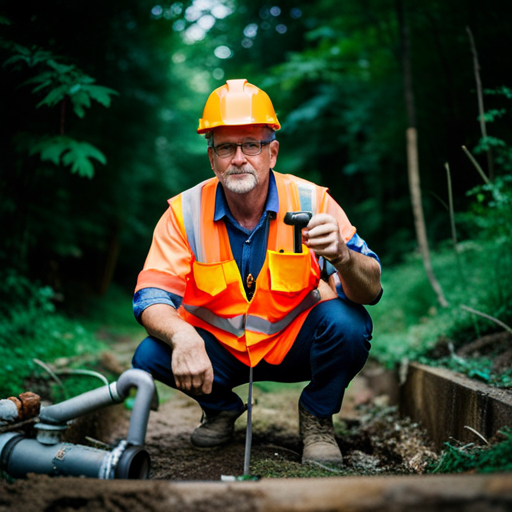
Septic systems play a crucial role in maintaining the functionality and cleanliness of a property’s wastewater disposal system. Regular inspections of these systems are essential for ensuring their long-term functionality and preventing potential issues and costly repairs.
By conducting thorough and technical inspections, septic system inspectors or specialists can identify any potential problems early on, maintain efficient functionality, and avoid health hazards.
During a septic inspection, the inspector carefully examines all components of the system, including the tank, drainfield, and distribution box. They assess the condition of these components, looking for signs of damage, leaks, or blockages. By identifying potential issues early, homeowners can take appropriate measures to address them before they worsen and lead to more significant problems or failures.
Moreover, regular septic inspections help prevent costly repairs. By detecting and addressing minor issues before they escalate, homeowners can save a significant amount of money in the long run. Inspectors provide accurate descriptions of the various components, explaining their functions and potential problems that may arise. They use technical terminology and industry jargon to ensure that homeowners and professionals alike can understand and address any maintenance or repair recommendations effectively. By following these recommendations, homeowners can maintain the efficient functionality of their septic systems and avoid expensive repairs or replacements.
In addition to preventing costly repairs, regular septic inspections also help homeowners avoid health hazards. A malfunctioning septic system can lead to the contamination of groundwater, surface water, or even the surrounding soil. This can pose significant health risks to both the occupants of the property and the environment. Inspections allow inspectors to detect any potential sources of contamination, such as leaks or improper drainage, and recommend appropriate remediation measures to prevent health hazards.
In conclusion, regular septic inspections are crucial for ensuring the long-term functionality of septic systems. By providing detailed information about the condition of the components, potential issues, and recommendations for maintenance or repairs, septic system inspectors or specialists help homeowners maintain the efficient functionality of their systems, prevent costly repairs, and avoid health hazards. By following their recommendations, homeowners can ensure the longevity and proper functioning of their septic systems, creating a safe and healthy environment for both themselves and the community.
Key Takeaways
– Regular inspections of septic systems are essential for maintaining their functionality and cleanliness.
– Inspections help identify potential issues early on and prevent costly repairs.
– Inspectors use technical terminology and industry jargon to provide accurate descriptions and recommendations.
– Regular inspections help prevent health hazards and contamination of groundwater.
Identifying Potential Problems Early
Early identification of potential problems is crucial in maintaining the long-term functionality of septic systems. A septic system inspector or specialist, equipped with their knowledge and expertise, plays a vital role in detecting issues at an early stage.
Through a thorough inspection process, they meticulously examine all aspects of the septic system to ensure no potential problems go unnoticed. They assess the condition of various components, such as the tank, drain field, and pipes, to identify any signs of deterioration, blockages, or leaks. By taking proactive measures and detecting these issues early on, homeowners can avoid costly repairs and prevent potential damage to their septic system.
In their technical analysis, septic system inspectors or specialists utilize their understanding of septic systems to provide clear and concise explanations. They employ technical terminology to describe the functions of different components and potential problems that may arise. By using appropriate industry jargon, they effectively communicate the intricacies of the system to both professionals and homeowners. This technical expertise allows them to accurately assess the condition of the septic system and provide detailed information about any potential issues or concerns that may require attention. By delivering this information in a comprehensive manner, they ensure that homeowners are well-informed and can make informed decisions regarding maintenance and repairs.
Maintaining a professional and objective tone, septic system inspectors or specialists establish their credibility and expertise. They avoid personal opinions or biases and focus solely on providing factual information based on their observations and knowledge. Their writing is organized, clear, and easily understandable to a wide range of audiences. By maintaining a sense of professionalism, they instill confidence in homeowners and provide them with reliable recommendations for maintenance or repairs. This approach not only fosters trust but also ensures the long-term functionality and efficiency of septic systems.
Preventing Costly Repairs
To avoid significant financial burdens, it is crucial to maintain a proactive approach in addressing septic system issues before they escalate into exorbitantly expensive repairs.
By conducting regular professional inspections, homeowners can identify potential problems early on and take the necessary steps to prevent costly repairs. A septic system inspector or specialist, equipped with knowledge and expertise in septic systems, can thoroughly assess the condition of the various components and identify any issues or concerns that may affect the system’s functionality.
During a professional inspection, the septic system inspector will utilize technical terminology to provide accurate descriptions of the septic system components and their functions. They will explain concepts related to septic systems in a clear and concise manner, ensuring that homeowners understand the potential problems that may arise. This technical approach allows for a comprehensive evaluation of the system, enabling the inspector to identify any signs of deterioration or malfunction. By using appropriate industry jargon, the inspector can effectively communicate their observations and recommendations to homeowners and other professionals involved in septic system maintenance.
Maintaining a professional and objective tone, the septic system inspector focuses on providing factual information and recommendations based on their expertise. They avoid personal opinions or biases, ensuring that their assessments and suggestions are reliable and credible. The inspector’s writing is clear, organized, and easily understandable to both professionals and homeowners, fostering a sense of trust and confidence in their expertise.
By emphasizing the importance of cost-effective maintenance and regular professional inspections, the inspector engages the audience’s subconscious desire for belonging. Homeowners can feel assured that they are taking the necessary steps to ensure the long-term functionality of their septic systems, creating a sense of belonging to a community of responsible homeowners who prioritize the well-being of their properties.
Maintaining Efficient Functionality
One key aspect of maintaining an efficient septic system is implementing regular maintenance practices. A septic system inspector or specialist would write in a thorough manner, providing detailed information about all aspects of the inspection process. They would ensure that all relevant information is covered, including the condition of the septic system components, potential issues or concerns, and any recommendations for maintenance or repairs.
By conducting regular inspections, homeowners can identify and address minor problems before they escalate into major issues, thus extending the lifespan of their septic system.
Being knowledgeable in septic systems, a septic system inspector or specialist would use technical terminology and explain concepts related to septic systems in a clear and concise manner. They would provide accurate descriptions of the various components, their functions, and potential problems that may arise, using appropriate industry jargon. This technical approach ensures that homeowners have a comprehensive understanding of their septic system’s functionality and can make informed decisions regarding its maintenance.
By communicating complex information in an accessible manner, a septic system inspector or specialist can help homeowners better comprehend the intricacies of their system and the significance of professional maintenance.
Regular septic inspections and professional maintenance are crucial for maintaining the efficient functionality of a septic system. A septic system inspector or specialist would convey this information in a professional and objective tone, focusing on providing factual information and recommendations based on their observations and expertise.
By extending the lifespan of the septic system through regular maintenance, homeowners can ensure its long-term functionality and avoid costly repairs.
Avoiding Health Hazards
Avoiding potential health hazards is a critical aspect of maintaining a septic system, as failure to do so can lead to the contamination of groundwater and the spread of harmful bacteria and pathogens.
Regular septic inspections play a crucial role in preventing contamination and promoting public safety. A septic system inspector or specialist would thoroughly assess the condition of all components, including the septic tank, drainfield, and distribution box, to ensure that they are functioning properly and not posing any health risks. They would check for signs of leaks, cracks, or blockages that could lead to the seepage of untreated wastewater into the surrounding soil and groundwater.
In addition to inspecting the physical condition of the septic system, a septic system inspector or specialist would also evaluate the microbial activity within the system. They would test the quality of the effluent to determine if it contains any harmful bacteria or pathogens that could contaminate the environment or pose a risk to public health.
By identifying any potential issues or concerns during the inspection process, the inspector can provide recommendations for maintenance or repairs to address these problems and ensure the long-term functionality of the septic system.
By adhering to a regular septic inspection schedule, homeowners can avoid health hazards associated with septic system failures. These inspections help to prevent the contamination of groundwater, which is a vital source of drinking water for many communities.
Furthermore, by identifying and addressing potential issues early on, septic system inspections promote public safety by reducing the risk of exposure to harmful bacteria and pathogens. It is essential for homeowners to recognize the importance of regular septic inspections as a proactive measure to safeguard their health and the environment.
Tips for Maintaining Your Septic System’s Functionality
Maintaining the proper functioning of your septic system is essential for preventing health hazards and ensuring the safety of the surrounding environment. To ensure the long-term functionality of your septic system, there are a few key tips to keep in mind.
Firstly, proper waste disposal is crucial. It is important to avoid flushing anything other than human waste and toilet paper down the toilet. Flushing items such as diapers, sanitary products, or wipes can cause blockages in the system and lead to costly repairs. Additionally, it is important to avoid pouring grease, oil, or chemicals down the drains, as these can disrupt the natural bacterial balance in the septic tank and hinder its ability to break down waste properly.
Regular pumping is another crucial aspect of maintaining your septic system’s functionality. Over time, solid waste accumulates in the septic tank and needs to be pumped out to prevent overflow and potential damage to the drain field. The frequency of pumping depends on the size of your tank and the number of people in your household, but it is generally recommended to have your septic tank pumped every three to five years. Regular pumping not only prevents issues such as backups and foul odors but also extends the lifespan of your septic system.
By following these tips and ensuring regular septic inspections, you can maintain the functionality of your septic system, prevent health hazards, and protect the environment for years to come.
Frequently Asked Questions
How often should septic inspections be conducted?
Septic inspection frequency is crucial for maintaining a healthy septic system. Professional inspections should be conducted every 3-5 years to assess the condition of components, identify potential issues, and provide recommendations for maintenance or repairs.
What are the signs that a septic system may be failing?
There are several signs that indicate a septic system may be failing, including slow draining fixtures, sewage odors, pooling water, and lush vegetation near the drain field. These signs warrant immediate inspection and potential repairs.
Can I perform septic inspections on my own or should I hire a professional?
Performing DIY septic inspections may save money but can be challenging without proper knowledge. Hiring a professional for septic inspections offers benefits such as thorough assessments, accurate technical explanations, and objective recommendations for maintenance or repairs.
Are there any specific maintenance tasks that homeowners can do to prevent septic system problems?
Preventive measures and DIY maintenance are crucial for avoiding septic system problems. Homeowners can regularly inspect their septic system components, such as the tank, drainfield, and pipes, for signs of damage or blockage. Regular pumping and proper waste disposal also contribute to system longevity.
What are the consequences of neglecting regular septic inspections?
Neglecting regular septic inspections can lead to costly repairs and replacements, causing financial implications for homeowners. Additionally, a failing septic system can contaminate groundwater and harm ecosystem health, highlighting the environmental impact of neglecting inspections.